




The evolution of climate comms
To engage readers with the climate crisis, publishing must get ever more creative.


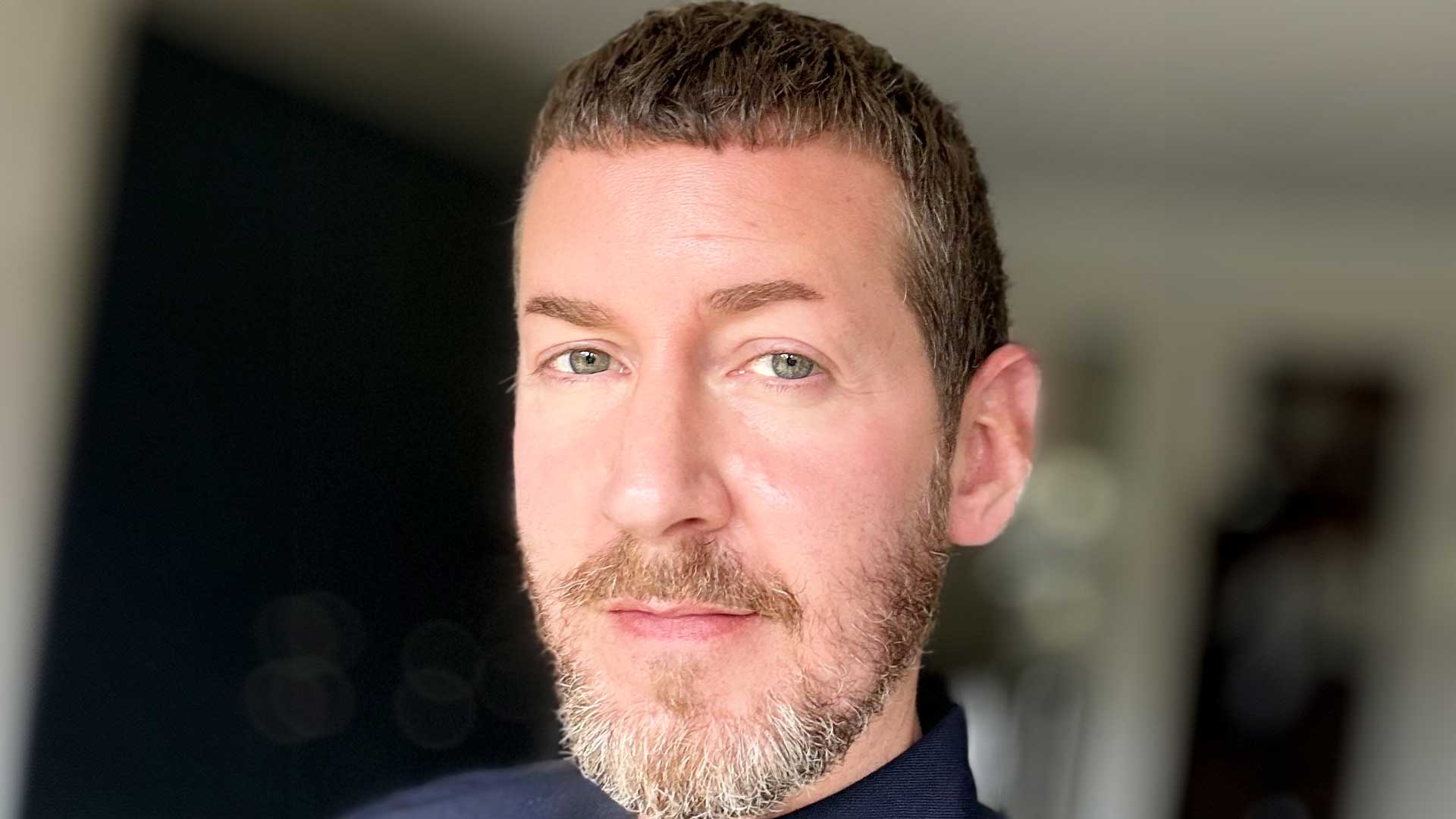
I am not qualified to write about climate change. I have no scientific credentials; I’m an art college drop-out who writes and illustrates creative lies for a living. However, in 2014 and 2015, I was one of five writers from five different countries to join Weather Stations, a project where we were set the task of exploring climate change through literature. As part of the project, we got to hear from experts in different fields and I asked each one I met: "If I was someone who didn’t understand this subject, could you tell me why I should care?"
I put this to a group of marine biologists and oceanographers, and one guy shrugged and said: "We’ve given you the facts. If you can’t see why it’s important, what else can we do?" That was when I realised we didn’t just need experts in the various scientific fields; there was a communication gap that needed to be bridged, and there were times when the experts weren’t even aware of it. Most people did not have the perspective, background and specialist education needed to make the imaginative leap from those facts.
In the 10 years since I took part in Weather Stations, the publishing world has taken the bit between its teeth in tackling that challenge, and it has raised the strangest question we’ve ever faced as an industry: why is it so hard to convince people to take an interest in a threat to our very civilisation? And it took a long time, but we are finally attacking that challenge from all angles. The world’s lack of interest in its own demise is forcing us to get creative. Well... even more creative.
Since emotional engagement is the most effective way to get people on board, and because publishing is pretty good at that, we avoid bludgeoning them with facts. Like someone who’s on a first date, and has built it up too much in their head, we try to play it cool in case we blow our chances. We don’t want to scare them away.
There is a constant tension between the crucial importance of the message and our efforts to make it digestible, appealing, even entertaining. Paradoxically, the more you learn about climate change and become radicalised by that knowledge, the more you have to suppress your internal scream and find your happy place so you don’t end up ranting like some "end-is-nigh" cult member.
The climate crisis has raised the strangest question we’ve ever faced as an industry: Why is it so hard to convince people to take an interest in a threat to our very civilisation?
There is a sliding scale of info-dump: at one end, if someone is very young or uninterested or resistant to the information, you hardly use information at all. You go with storytelling; maybe polar bear cubs on an adventure, a thrilling survival in a parched dystopia or a heart-rending tale of an old lady losing her home to a flood. The tactic is to open their minds by appealing to them on a more emotional level. We have to be either more personal, more entertaining or both. We need to lay the compost, preparing their minds to receive the seeds of persuasion that will be sown at a later stage.
At the other end of the scale are the world’s business and political leaders who should be acting on the responsibilities that come with their position and power. If they’re not, it’s time to get serious; you nuke them with an adolescent Greta Thunberg and IPCC reports that should give them nightmares if they grasp the scale of what they’re reading. Or perhaps you coax them into reading The Future We Choose by Christiana Figueres and Tom Rivett-Carnac; thorough research into the threat, tempered by practical optimism. You tailor the message to the audience.
For many of us, this is new ground, and it demands new ways of working, negotiating that tension between the issue and the approach. I contributed a story to a science fiction anthology on the theme of climate change, entitled Future Hopes, published last year by Walker Books. When we were pitching our story ideas, I suspect that all these fiction writers approached it with the thought "What’s important?" and a bunch of us landed on farming. The editors asked me to write a different story, not because my idea was similar to someone else’s, but because it was covering the same issue as other people. As a result, I probably wrote a better story, about giant squid and whale faeces, and that highlighted a problem of writing fiction with an agenda – what we might consider worthy or important may not be the best way to engage a reader with the subject.
Then there’s the money. I have worked on numerous climate change projects for different audiences over the years, from first-time readers to teenagers to veteran climate activists, and without exception, each one has been run on a shoestring. For fossil fuel companies, the cost of creating giant publishing campaigns is pocket change compared to building oil rigs and supertankers, but if your business is making books, then those books have to make money. When I was writing A Short, Hopeful Guide to Climate Change, it was in association with Friends of the Earth Ireland, and we had slightly different ideas about what it should be. They wanted a kind of reference handbook for the teenage Fridays-for-Future crowd, while I wanted to aim a bit lower, and make it a middle-grade primer. This was mainly because it would appeal to a wider market. We had a book to sell, and climate change is not a crowd-pleaser; I had to reach as big an audience as possible.
Despite all these challenges, I have watched climate comms improve immensely over the last decade, slowly provoking a new kind of empathy with the environment and a more comprehensive appreciation of how the world works. A friend of mine lives by the motto "Hope is a thing you do", and I see that attitude manifesting everywhere now. As we struggle with how to communicate this confounding subject, it forces us towards a higher understanding of it; we seek out possibilities and ways of working that we hadn’t considered before. That’s how an overwhelming crisis can inspire a worldwide movement to correct the course of civilisation, and how an art college drop-out can end up writing about it.