




Speakies shortlistee: Louise Brealey
Louise Brealey reflects on the challenges of narrating emotional books – and explains why she spent the entire fee for one audiobook on accent lessons.


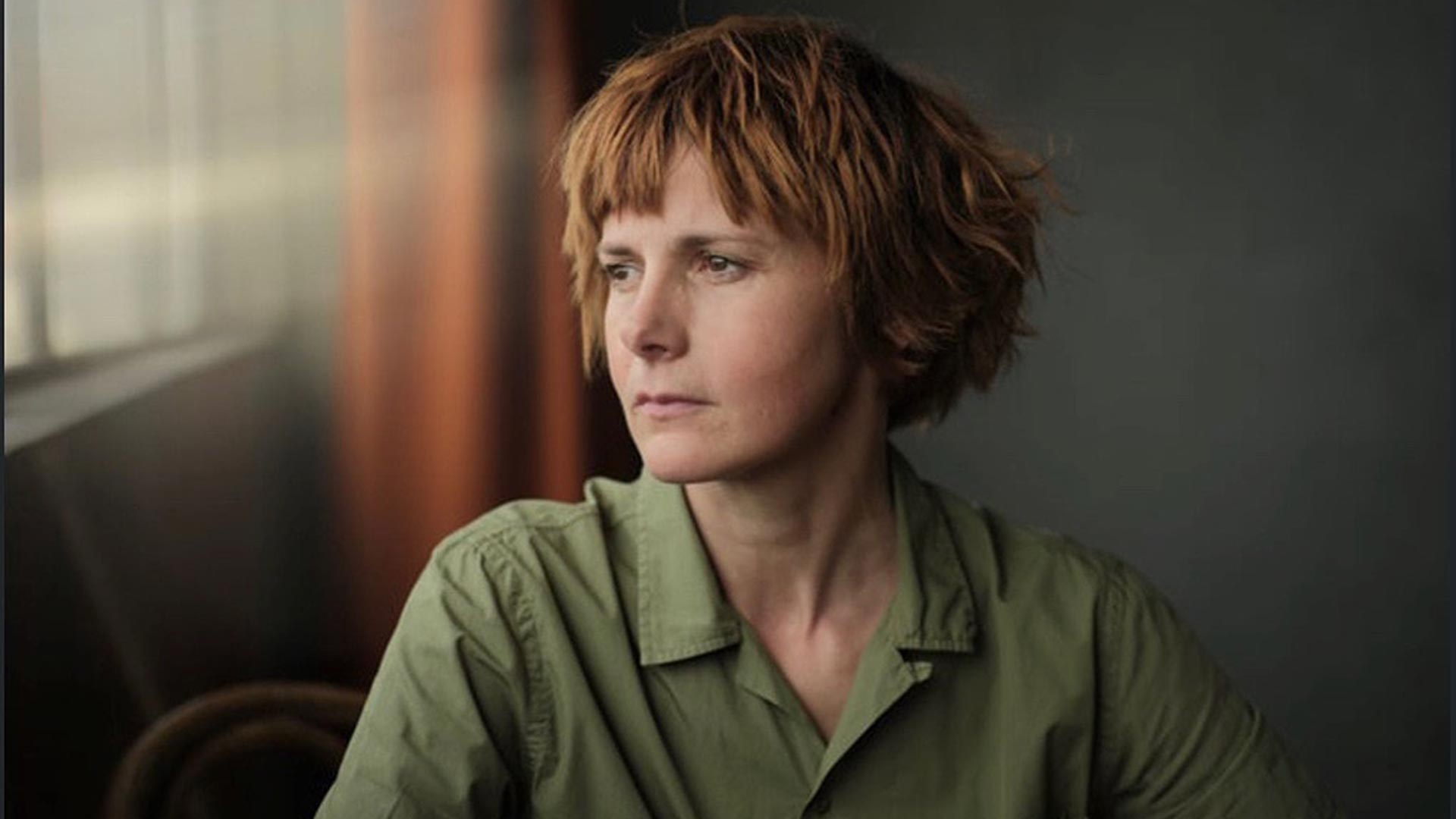
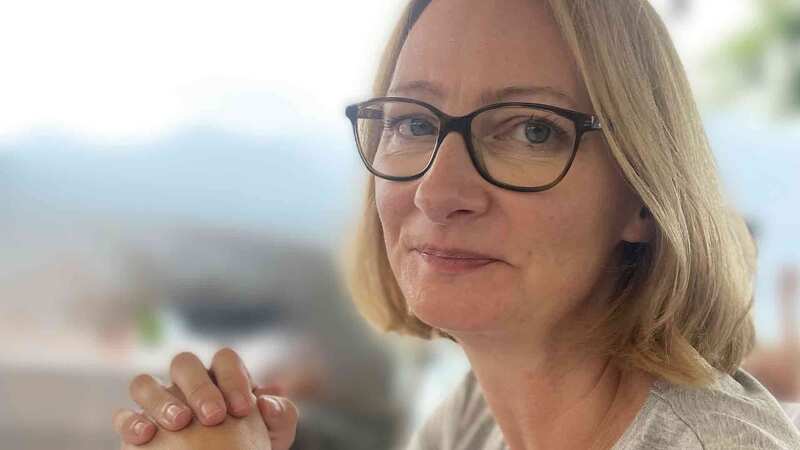
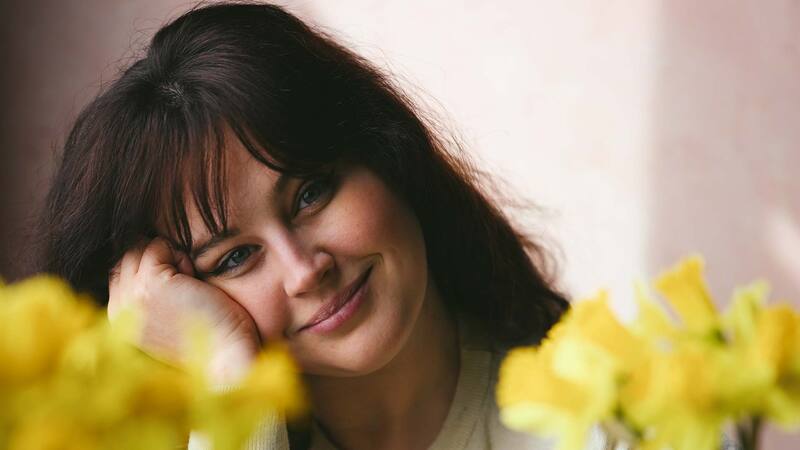
With an impressive four nominations across the British Audio Awards shortlists, Louise Brealey has received more than any other narrator. “I thought, ‘This is crackers’,” she says of the moment when she heard the news. “But how thrilling. I feel very greedy. And delighted.”
The versatile Brealey was nominated for Best Audiobook: Crime & Thriller for Him by JD Kirk and Guilty by Definition by Susie Dent, and twice for Chloe Dalton’s memoir Raising Hare (Best Audiobook: Non-Fiction, Best Performance: Narrator). But she was almost too ill to read Him, losing her voice shortly before she was due in the studio.
“I’d had a hideous flu,” she says. “We were recording in January and I’d been out for the count all over Christmas. I’d been so ill that I thought: ‘I’m not going to be able to do it.’ But I didn’t want to let it go because I knew it was going to be special. I was breathing in hot steam and chewing lozenges and every single thing you can possibly do to help your voice.”
Thankfully, her determination paid off, and she turned in a masterful recording of the thriller in which a widow uses grief tech to talk to a simulation of her dead husband. But it proved to be an especially emotional read since Brealey had lost her own mother two years ago.
“It’s written in this absolutely propulsive way, it’s so brilliant. I just had to completely give myself to it and let myself feel all the things she was feeling. Which is not easy if you’ve experienced grief. It brings up so much, that story. It’s hard when it’s touching things that are painful personally. So it was quite an emotional read and you have to keep a cap on that, you can’t be emoting all over it.”
There were passages of Raising Hare that required similar self control. “It’s part memoir, part manifesto and part natural history as Chloe discovers more about this beautiful species.
“There are moments when the book is emotional but it’s really important not to be too emotional because you’ve got to leave room for the listeners to have their own emotions. If there’s a lot of snot and tears, there’s less room for the person listening, the person for whom you’re doing it.”
The fact that audiobooks are released with relatively little fanfare makes Brealey’s Speakies nominations feel particularly meaningful.
“Because there isn’t a transmission or an audience, there isn’t a moment of connecting afterwards. Sometimes you can feel like maybe no one’s ever listened. So it’s awfully nice to think that a few people have listened and they liked what they heard.”
She has endeavoured to help actor friends land narrator work but with mixed results. She explains: “You think that because it’s reading, everyone’s going to be able to do it. But there is something of an art to it. It’s about getting out of the way as much as you can where necessary, like trying to get the book to talk through you. It’s a very intimate process. It’s also being able to lightly shift between voices.”
Her facility for accents has even been known to permeate her subconscious. “When I was filming for BBC Shetland this summer, I woke my boyfriend up shouting in a Scottish accent. I can literally do a Scottish accent in my sleep.” But she was almost defeated by the accents in Caitlin Moran’s novel How To Build A Girl, spending her entire fee on accent lessons.
“There was a Wolverhampton narrator who had a Birmingham boyfriend and a lover from Wales and there were a lot of graphic sex scenes,” she explains. “It was very funny and technically quite challenging.” But then, she concedes, every audiobook presents a form of challenge.
It’s so rewarding – it’s just you and the listener, and it’s a really intimate relationship. I find that really exciting.
“It’s absolutely exhausting. You are in a state of total concentration and anyone who does audiobooks will tell you that you feel more tired from that than from getting up at 5am to sit in a make-up chair then spending a day on set.
“But it’s so rewarding – it’s just you and the listener, and it’s a really intimate relationship. I find that really exciting. Except when they don’t like your voice, which of course happens, but you can’t account for that.”
She started out by doing a radio production course at City Lit, which provided an opportunity to record a showreel, and she used it to secure a voice agent.
She is “very, very lucky” to be in a position to cherrypick her roles now. Her highlights to date include reading Paula Hawkins’ The Girl on the Train, The Silent Patient by Alex Michaelides, and winning a Nibbie for Lisa Jewell’s None of This Is True, an ambitious production featuring original music, soundscapes and a character podcast.
“I did that with Nicola Walker, they did this brilliant production, which I think is a really interesting direction that audiobooks are going in. There is scope for innovation and they nailed it on that one.”
Now, Brealey is rehearsing West End play Woman in Mind with Sheridan Smith, while recording the part of Madam Hooch in HBO’s new Harry Potter series. “It’s the Zoë Wanamaker part so I’ve got big, big boots to fill.” But hopefully her Speakies success will encourage her to keep making time for audiobook jobs.
“They’re brilliant titles,” she says of the Speakies-shortlisted titles she narrated. “I’ve been doing this long enough to not make a direct connection between something that’s really good and winning an award. So I’m giddy as a goat about the books getting recognised.”