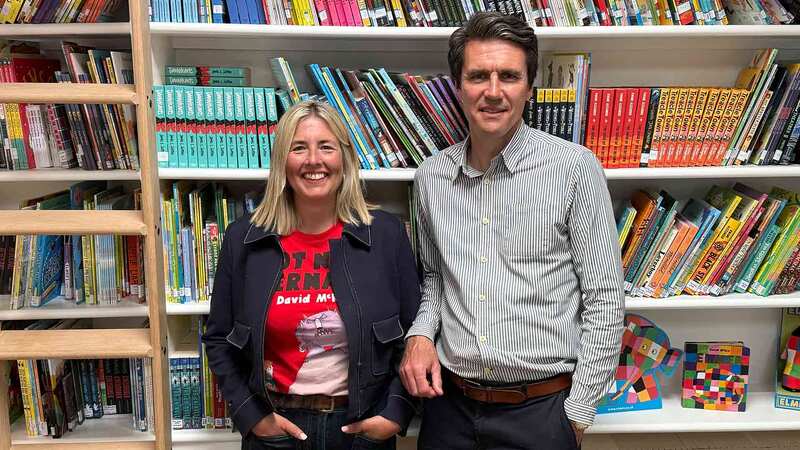






Debbie James takes helm at BA during an ‘existential’ moment for bookshops


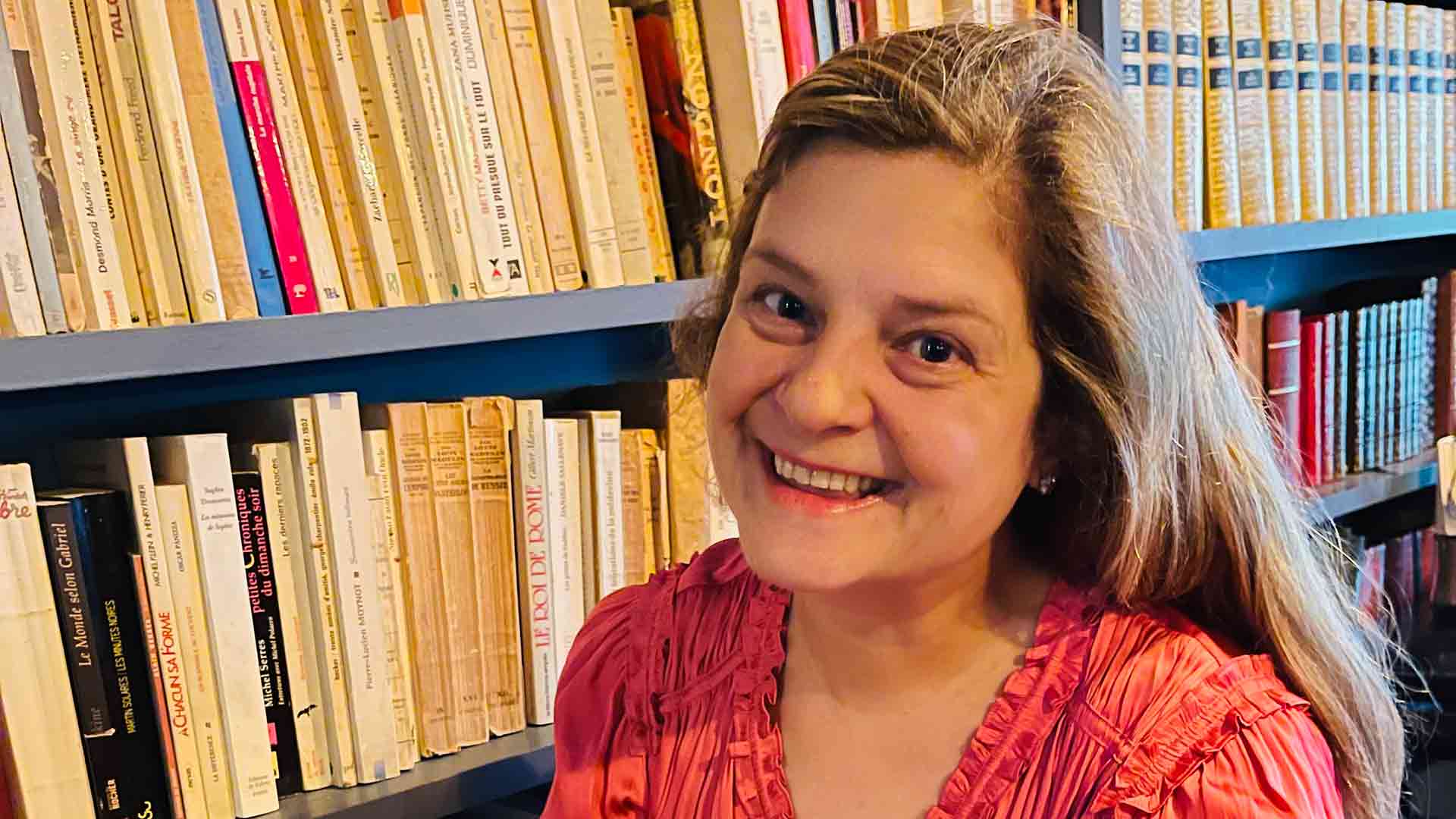
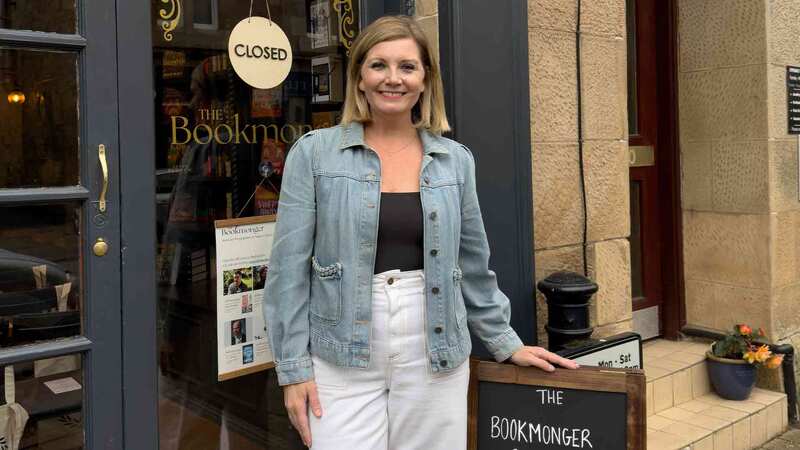
For new Booksellers Association (BA) president Debbie James, owner of Kibworth Books in Leicestershire, she takes the baton from outgoing president Fleur Sinclair at a critical moment for bookshops.
“I’m an independent bookseller, but now as the president of the BA I represent all booksellers, not just indies but chains, radical bookshops, specialist bookshops, genre bookshops, children’s bookshops, everyone who is a member of the BA,” she explains. “I’ve heard perspectives from all of those bookshops and booksellers regarding change, and the most live issue and a potential existential threat to high street bookselling is business rates.”
At the start of 2026, when the government climbed down on what the BA has called the “deeply damaging” rates for pubs and music venues, which are causing some booksellers’ bills to increase by thousands, it was a “hopeful” moment. “It was a real cause for celebration, vicariously, and I know Meryl [Halls; BA managing director] and Laura [McCormack; head of policy and public affairs], felt hope in that instant,” James says. But despite repeated calls from the BA, the government has not reconsidered the rates for bookshops.
The most live issue and a potential existential threat to high street bookselling is business rates.
“It feels almost like a sort of penalty, where these bricks-and-mortar spaces that we create in our communities should be more underpinned by things like cultural grants, as opposed to the hiking of business rates. The health and shoring up of the existence of bookshops is history in the present,” she says, acknowledging that there is an irony that this is occurring during during the government-backed National Year of Reading. “Look who is rolling [it] out,” she says. “It’s booksellers, librarians, authors, the creative industries. That’s who’s rolling it out on behalf of the government, and that must absolutely get fed back through the National Year of Reading. When we learned how it was going to be rolled out, it was obvious that it would be done by the existing channels, through which reading for pleasure, chances of discovery of books and reading are already in place.”
This represents a huge opportunity for the trade, James says. “In tandem with that existential threat, it’s important to talk about the innovation, which seems to me to be really fecund right now.
Take genre bookshops popping up with different specialisms like romantasy, romance, spicy books, manga. That is representative of creative entrepreneurs trend-spotting from the get-go, who are passionate and doing something about it, setting up bricks-and-mortar spaces and making them fly.”
This marks a “juxtaposition”, James continues, “whereby entrepreneurism in the book trade, specifically in bookselling, is exploding, but it’s being stymied by short-sighted governmental policy, where really to flip it the government would do well to see the impact of this entrepreneurism, the impact it’s having on the communities and citizens where these spaces are”.
Continues…
Read More
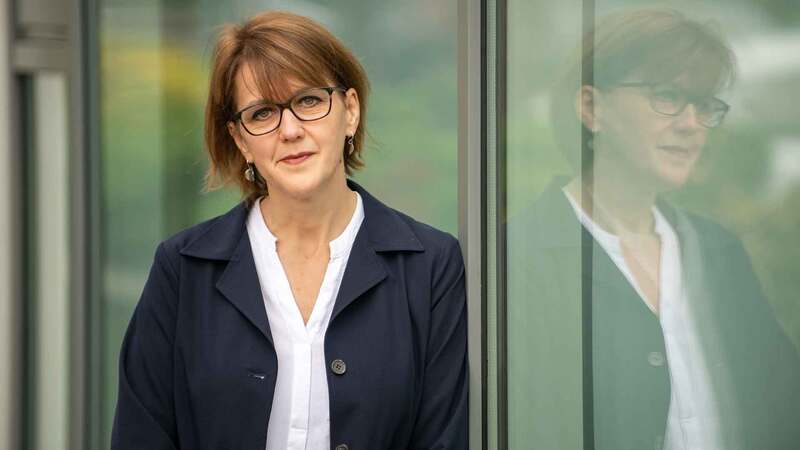
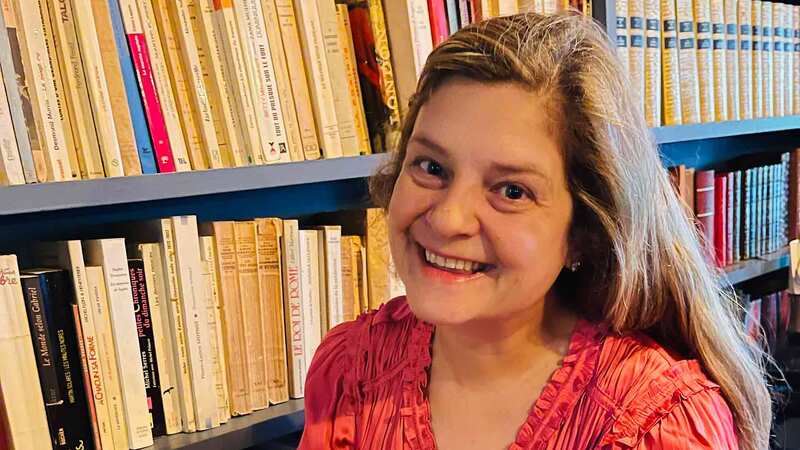

An area in which James sees particular opportunity for creativity and impact is sustainability, which will be a core focus for her during her two-year tenure. “I’m very mindful that in this climate, where people may face losing their properties because they can’t afford to pay these new business rate prices, talking about environmentalism and sustainability may seem like we’re not concentrating on the right things,” she explains, “but my argument is that it’s more about resilience, and for the sake of our businesses, for the sake of perpetuating the high street bookshop. Choices which have a positive impact environmentally are coming to mean that they have a positive impact commercially.”
In James’ own shop (which she launched 17 years ago), she has been experimenting with the mechanics of her purchasing, in order to reduce the number of boxes coming in. “I’m in month 25 of that now,” she explains, “so I’ve got two full financial years of that analysis.” Not only is there an “emotional, good feeling” about the work, but “when I look at the stats, I know there have been, for example, nearly 9% fewer boxes coming into [the] shop in the last 12 months, which means fewer lorries on the road,” she says. “It also means less time spent in the office, and we’re a very small team. So those sorts of things are important to me, but then I’ve looked at the bottom line, and the margin deficit I predicted is much smaller.” She concedes that the margins are slimmer – as it involves more wholesaler purchasing, but “as someone who cares about our industry’s impact on the planet”, the benefits for James outweigh the small deficit.
Inspired by environmentally conscious companies such as Canongate and Shaftesbury indie FOLDE, the latter the only B Corp bookshop in the country, James – who is working with the FOLDE team on a green toolkit for BA members – says: “They are very profitable businesses at the same time, so it’s not just about environmentalism, it is about resilience and future-proofing your business. I think canny business owners in all industries must look at the impact their business has on the planet and make sure it’s working towards carbon neutral in order to still be here in the future.”
Reflecting on Sinclair’s legacy and what she has learned from her predecessor, James, who was vice-president to Sinclair’s president, adds that Sinclair’s “relationship with specific contacts at publishers has done wonders for the general relationship between booksellers and publishers” and “representation has become baked into the Booksellers Association”. “It’s a priori; taken as read that it is a trade association that must represent all protected characteristics, and people representing all protected characteristics, in turn, must feel like bookselling is an open-door industry for them,” James says. “This is really important, it’s ongoing and it’s live. No correct-thinking president will let that slide from now on. I could not describe [Sinclair’s] brilliance.”