






American Booksellers Association’s Winter Institute 2026: community, hope and fear in troubled times
There was an undertone of anxiety at this year’s event, writes Gayle Feldman, with the industry addressing topics including ICE activity and its impact on bookshop employees in Minneapolis.


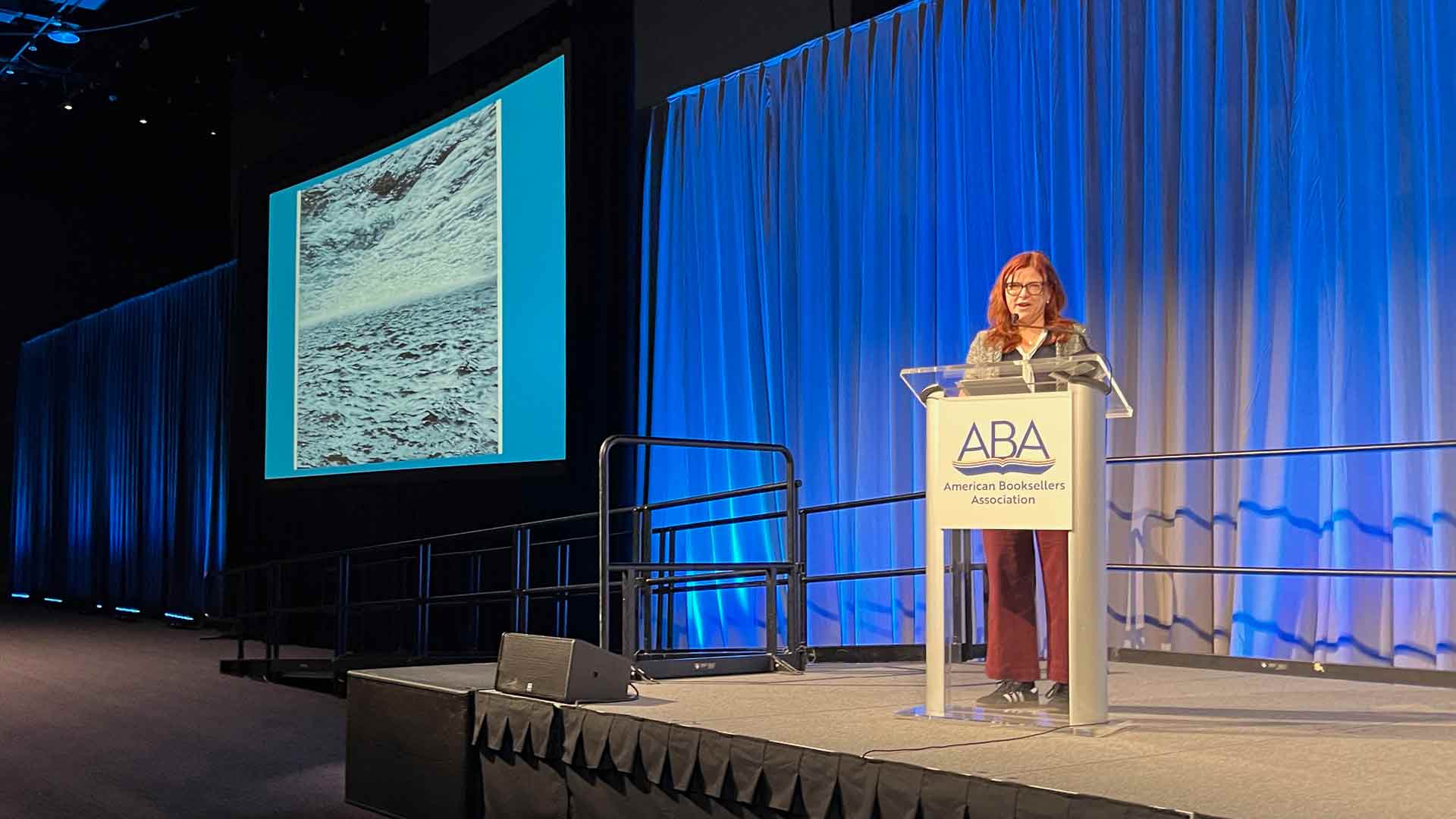
“Are we looking at danger or possibility?” was one of the things chief executive officer Allison Hillasked when kicking off the American Booksellers Association’s (ABA) largest-ever Winter Institute (WI) in a Big Questions opener addressing the fraught subjects of reading decline and expanding AI. One thousand booksellers had registered for the Pittsburgh event, and most made it, despite a big East Coast blizzard.
Of course, those two were not the only big questions on the agenda. Looming between inspiring keynotes and how-tos on building better bridges with publishers, authors, wholesalers, media and readers were sessions called Staying Safe in Uncertain Times, ICE and Bookstores, Curation Policies for Free Expression, Author Events and Censorship – you get the picture. For two decades, WI has helped booksellers re-educate and re-energise during winter doldrums, and this one was no exception. They came seeking joy and community as usual, and many parts of the programme obliged. But this time, there was also a marked undertone of anxiety.
Members expressed complaints (and, in some quarters, relief) at there being no (often volatile) town hall: it will occur virtually in May. The press had complaints, too: despite ABA’s “commitment to free expression”, the Fourth Estate was excluded from the IGNITE pre-conference for BIPOC booksellers, and from several sessions, including the one about ICE, in the main conference, to allow “freer expression” among members. The ABA did ask whether a panellist would speak with The Bookseller about ICE activities, and Lauren Richards, co-owner of Tropes & Trifles – a romance bookstore in a Minneapolis neighbourhood with a large immigrant presence, not far from George Floyd Square – kindly volunteered.
At the beginning of December, a shopkeeper down the street told Richards to get whistles, and other stores saw actual ICE activity. She and other staff went to a training programme in a nearby church on what to do; the neighbourhood group eventually numbered in the hundreds. On 5th January, SUVs with masked men began picking people up: some of Richards’ staff saw a dozen being abducted from a bus stop. They started handing out “know your rights” cards. They realised they had to plan: what to do if ICE pepper-sprayed? Who to tell? How to help if someone’s family member was to be detained?
“Our store is a community space. The day Renee Good was killed less than two miles away, I opened the store and people thanked us for being there – they wanted to tell their stories. We’re two blocks from a high school, and felt the need to stand on the corner: we suspected ICE would take students at dismissal. Most business owners went out with whistles and phones to film, and shouted at the agents to prevent it happening.
Sometimes, ICE would detain observers and drive them around and drop them off in a park without a phone. People would go look for them. We realised there were families who couldn’t go out and needed help; often their kids would be the translators.”
Continues...
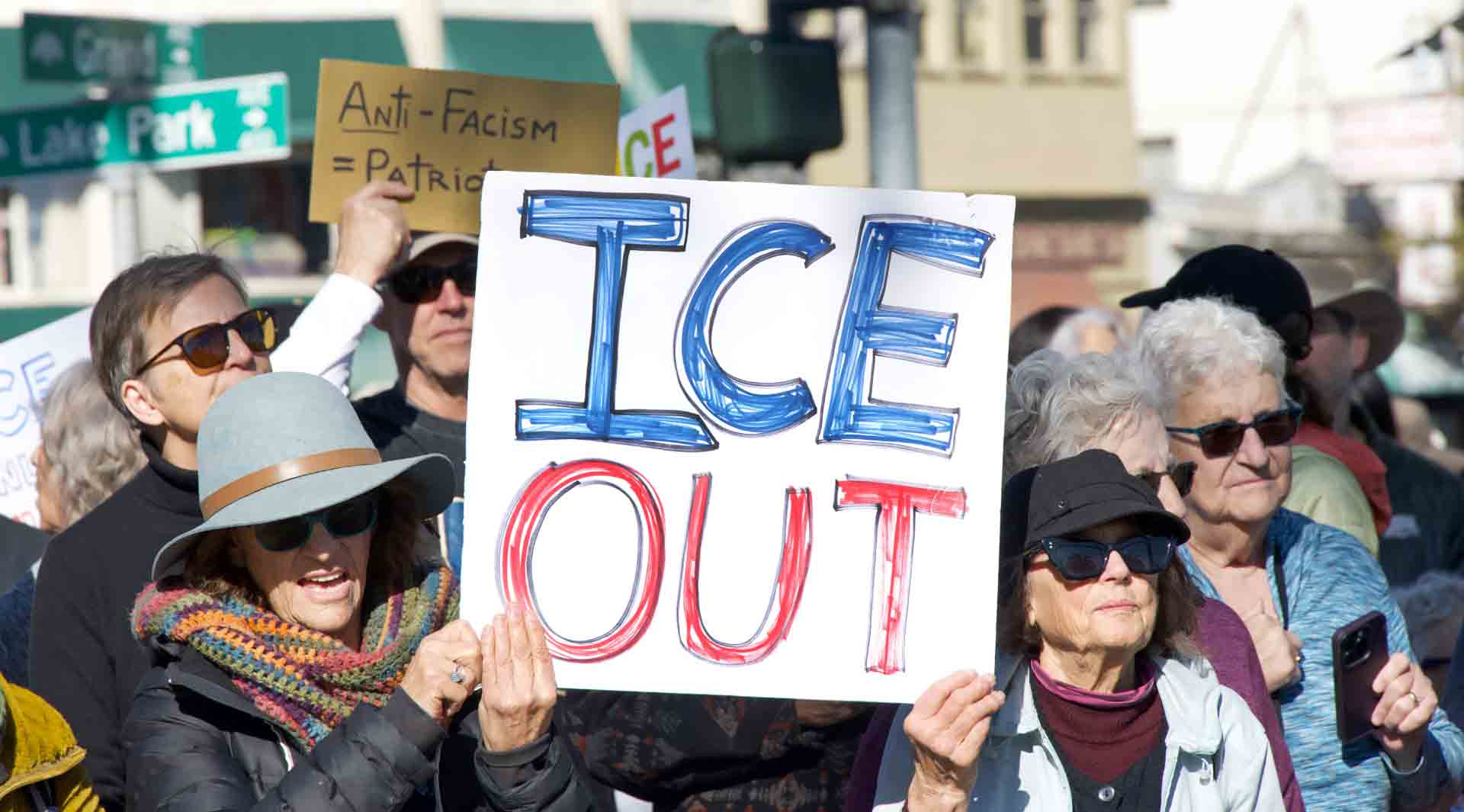
Richards’ advice, in times of danger, is this: “Come up with a protocol to protect your staff and what to do in your space. We walked to every store for a quarter mile exchanging contact information. Check in on the wellbeing of staff. Some stores take in donations to help the community for emergency assistance.” As for business, she has seen an increase in online sales, and foot traffic has been higher because her store was handing out whistles, but “it’s going to catch up with us and hit the bottom line”. She and her staff have come to know PTSD personally. “The media’s gone,” Richards said, but despite the much-trumpeted draw down, “ICE is not”.
In the Author Events and Censorship panel, the ABA’s Philomena Polefrone spoke of an “uptick in threats of violence, online harassment and actual intimidation”. To help, the ABA is soft launching a new toolkit for navigating such threats. It is also keeping an eye on a new national book-ban bill targeting LGBTQ+ books, introduced in Congress on 24th February.
Seattle bookseller Sofia Brekkan said her store, Elliott Bay, had to cancel five or six events in the past nine months because Canadian speakers could not cross the border. Angie Zhao, from bbgb books in Richmond, Virginia, spoke of “last minute cancellations of author visits to schools where we supply the books, incited by one or two parents. Authors are on tours. It’s a logistical nightmare. But self-censorship – deciding not to pitch as many events that might cause a parent to react – is the more sinister challenge”. Her store now requires schools to sign an event agreement. “It’s not legally binding, but creates a difference, clarifies channels of communication. We need to ask every school: ‘Do you have a protocol in place if there’s a disgruntled parent, so we can still do business with you?’”
Some stores have had to resort to hiring security teams for events. Others help model the language parents need to have conversations at PTA meetings about “controversial” books. Some stores donate “banned” books in communities where there is no access to those titles.
One of WI’s final sessions, Bookstores in the Time of Fascism, addressed its topic head on. ABA board member Lisa Swayze, whose store is in Ithaca, New York, emphasised the importance of “leaning on neighbouring non-profits and libraries”, suggesting that partnerships can “buoy you”. Booksellers must “learn how to deal with people who come in wanting to rile you; learn how to talk to them, based on your values. Don’t engage with them on the specific issue they’re attacking”.
Jackie Davison, a staff member at novelist Lauren Groff’s store in Gainesville, Florida, mentioned the permanent “banned” books section they curate. Staff training really counts. Indianapolis bookseller Keaun Michael Brown reminded listeners that the independent stores’ role “as civic third spaces in serious times is not new: value the role of history and collective resistance in creating change. Start small, locally, and do what you can. You can’t change the world, but you can change your world”.