




You are viewing your 1 free article this month.
Sign in to make the most of your access to expert book trade coverage.
French book market drops in 2025 as trade awaits plan to boost children reading


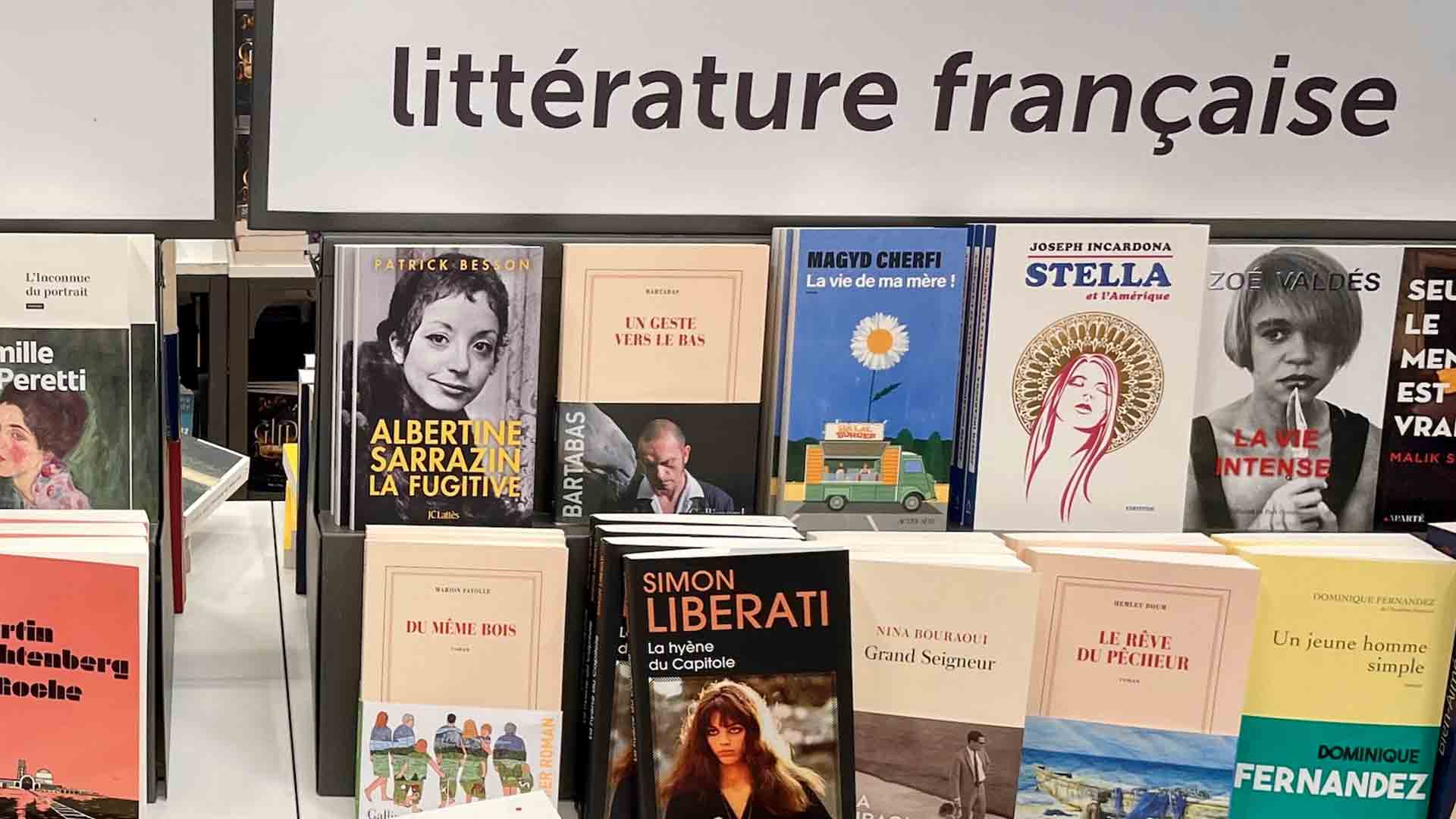
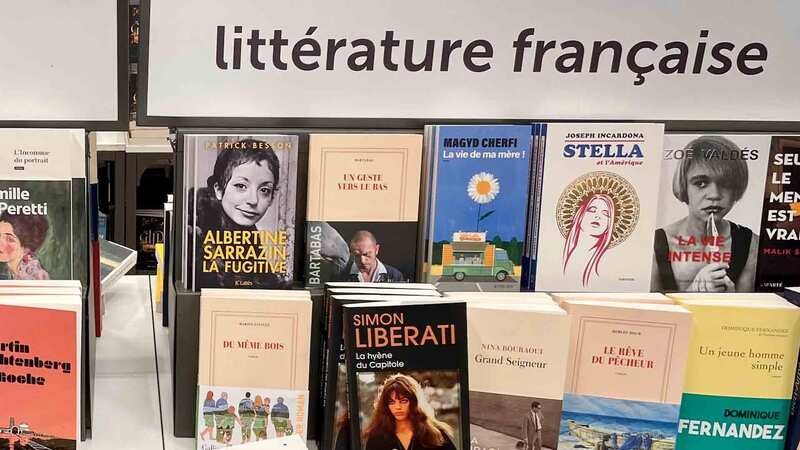
French publishers reported a 2% drop in sales in 2025 against the year before, with the outlook for the market in 2026 not looking as bright as hoped for, according to the French publishers association (Syndicat de l’Edition Nationale, SNE).
Since this first calculation, GfK-Nielsen has since revised the 2025 sales figure to -1%.
The number of people, particularly young, who admit to never reading a book continues to rise and the trade eagerly awaits a 10-year plan to boost reading among children and young adults that the government promised in December.
“We hope the culture and education ministries will present details of the plan at our next Paris Book Festival in April,” SNE director Renaud Lefebvre told The Bookseller.
Figures show that in 2025, 17% of 15-year-olds and over never read a book, up from 12% in 2019. “In the past 15 years, three million more French adolescents and adults don’t read books,” said Lefebvre. The research also found that 38% of the 16 to 19-year-olds said in 2024 they never touch a book outside formal education, up from 31% in 2016.
Other concerns outlined by SNE president Vincent Montagne at the organisation’s traditional New Year reception on 8th January include the burgeoning sales of secondhand books, which are forecast to rise to 40% of the total in France in 2030, and copyright theft by artificial intelligence (AI) operators.
False books are a big problem, said Lefebvre – it is estimated that 82% of Amazon books on herbal remedies published last year were “likely AI-written”.
A draft members’ AI bill to be presented to the upper house of parliament, the Senate, “goes in the right direction”, Montagne said. It presumes the use of protected works, and would be “an important signal of the unanimous commitment of the parliament and government to defend creators’ rights. Even AI operators are aware [of the problem[ and are becoming jittery.”
But for the moment the government is not unanimous, said Lefebvre. Culture minister Rachida Dati is in favour, but the justice ministry may have technical objections and the economy ministry could be against the proposal as a result of AI developers predicting it would undermine them, Lefebvre said.
Continues...
Read More



On the upside, demand for general literature has helped offset the decline for comic, youth, humanities and technical books, Montagne said. The latest Asterix book was a success, as were the novels of Freida McFadden.
The French Booksellers Association (Syndicat de la Librairie Française, SLF) said on Friday that McFadden’s La femme de ménage (The Housemaid) came second to Asterix in Lusitania in its observatory’s 2025 bestsellers list. McFadden was the top-selling author thanks to her four novels ranking among the nine leading titles. The observatory is made up of 470 of the SLF’s 850 members.
Filéas, the long-awaited French book sales tracker, saw roughly 7,000 authors sign up since its launch in April, Montagne said. The number should double by the end of this year, Lefebvre added. Another long-awaited project, an association to mediate in publisher-author disputes, AMAEL, also launched in 2025.
Despite several physical attacks on bookshops, “we have every reason to be proud of the fact that the book trade does not bow to fear or tension”, said Montagne.
The April Book Festival will welcome nearly 500 exhibitors, which is an attendance record, and will include more than 100 small and young houses, he said.
The release from prison in Algeria last November of Franco-Algerian author Boualem Sansal shows that “freedom of expression, although fragile, can triumph with collective and determined mobilisation”, Montagne added.
In 2025, the SLF observatory indies showed “a slight resilience” after a difficult year in 2024. They reported an average annual sales increase of 0.9% or 0.6% for books alone, but an inflation-adjusted drop of 0.5%. December provided a welcome uplift, with a year-on-year sales increases of 3.4% for books and 5.4% for other goods.
Bulk sales to collective buyers, thanks partly to school textbooks following changes in the curriculum, helped offset the drop in retail sales. Fixed average retail price increases of 1.1% overall and 2.2% for paperbacks also had an impact.
Nonetheless, almost a third of outlets still suffered from a sales drop of 5% or more, the SLF said. Particularly hard hit were those in medium-sized towns, with 50,000 to 200,000 inhabitants, and small shops with an annual turnover of under €300,000. A quarter of the latter reported sales drops of more than 10%.