






Sharjah prepares for its moment in the sun as Guest of Honour at LBF
For a number of years Sharjah has been working to cultivate a culture of reading for pleasure and literacy in its domestic market – and it is looking to take its message global.


The London Book Fair provides an important chance for UK and Anglophone delegates to engage with United Arab Emirates publishing and culture—and to explore opportunities across the wider Arab world too. Sharjah’s arrival at the London Book Fair as the Market Focus is a high point in its remarkable journey in publishing terms in recent years.
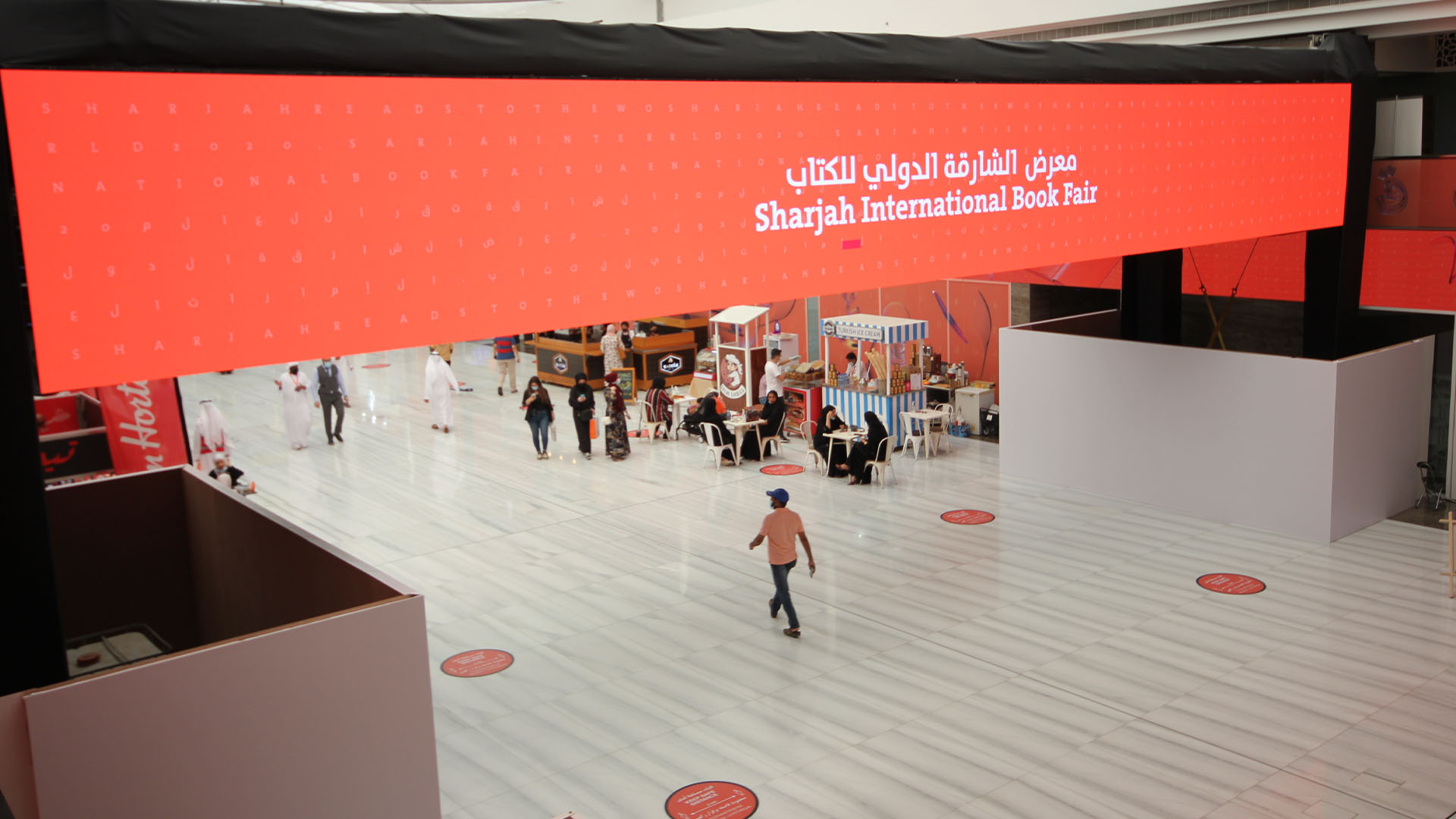
Its transformation can be measured in the story of the Sharjah International Book Fair (SIBF). Back in 1982, the first edition of the fair hosted just a few tents of publishers and booksellers—and on the final day, Sharjah’s Ruler Sheikh Sultan bin Muhammad Al Qasimi personally bought all the books that were left unsold. Nearly four decades on, in November 2019 he opened what proved to be the biggest book fair yet, welcoming around 2.5 million visitors, 2,000 exhibitors from 81 countries, and nearly 200 writers over 11 days at vast exhibition halls at Sharjah’s Expo Centre.
The Ruler’s close involvement shows an important truth behind Sharjah’s evolution: this is very much a passion project. The support and investment that has poured into publishing, libraries, authors and literacy since that first fair will be the envy of many countries around the world. In 2019 alone, the Sharjah Book Authority took its publishers and authors to dozens of publishing and cultural events around the world, and the Emirate arrives in London with a stint as Unesco World Book Capital under its belt.
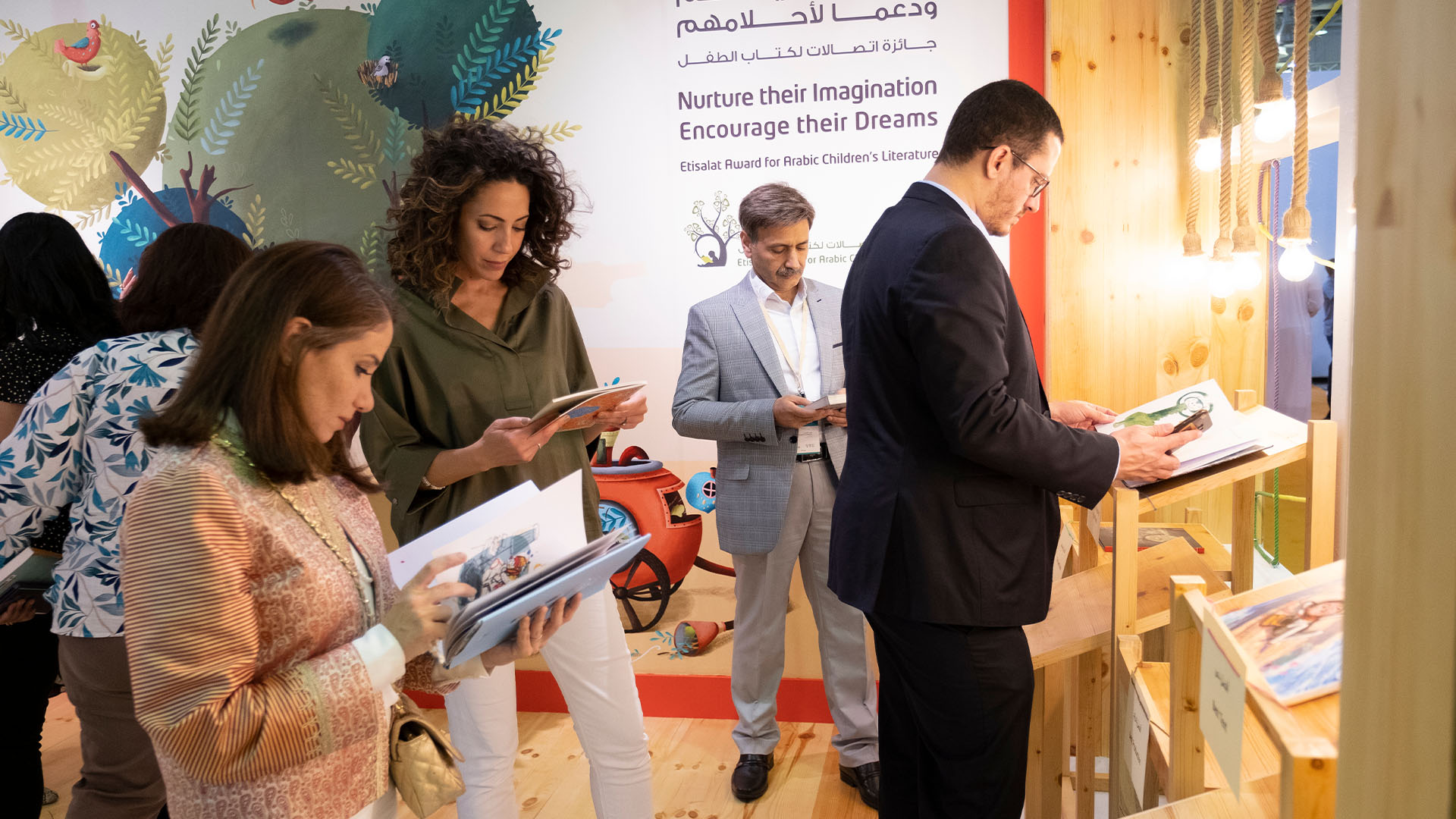
But Sharjah’s passion for books hasn’t been created from nothing. It has a long and proud literary heritage, and the soaring numbers at its fair highlight people’s enormous passion for reading and writing right across the United Arab Emirates—the level of which is hard for those attending Western trade fairs to appreciate. While the mission that Sharjah has been on is partly commercial—it wants its publishers to compete on the world stage—it is very much motivated by a desire to promote the culture of the UAE.
As Sheikh Sultan bin Muhammad Al Qasimi put it at the start of Sharjah’s 2019 International Book Fair: “We are on a cultural journey that we will continue until we establish our nation’s status in a way that befits our history, heritage and achievements.”
A gateway to the Arab world
Sharjah’s population of 1.4 million people makes its domestic market relatively small, by Western standards, and across the UAE book sales total around £200m a year—though it has seen an upswing in interest in educational and life skills books in recent years, and the fiction market, combining classics with contemporary writers, has long been strong.
But from Western publishers’ perspectives, Sharjah has carved out a much more significant role: as a gateway to the UAE and the wider Arab world. Ahmed Al Ameri, chairman of the Sharjah Book Authority, thinks of it as “a regional incubator”—a place to foster and promote the best books, writers and publishers from across the Middle East and North Africa.
With more than 420 million consumers, a large proportion of them young, literate and tech-savvy, the Arab world is a major market—but one that international publishers have never fully explored. “It’s not as big a part of our world as it should be,” said Bloomsbury publishing director Jayne Parsons at the Publishers Conference that preceded the 2019 SIBF. “Arabic is the fifth most-spoken language in the world, so logically it should be our fifth biggest market—but it’s really not,” she added.
There have been plenty of barriers in the way of collaboration on rights and exports. One has been the logistical difficulties of distributing into so many Arab markets, each with their own arrangements. The complexities of translations, a shortage of actionable data and pockets of piracy have also held back Western publishers.
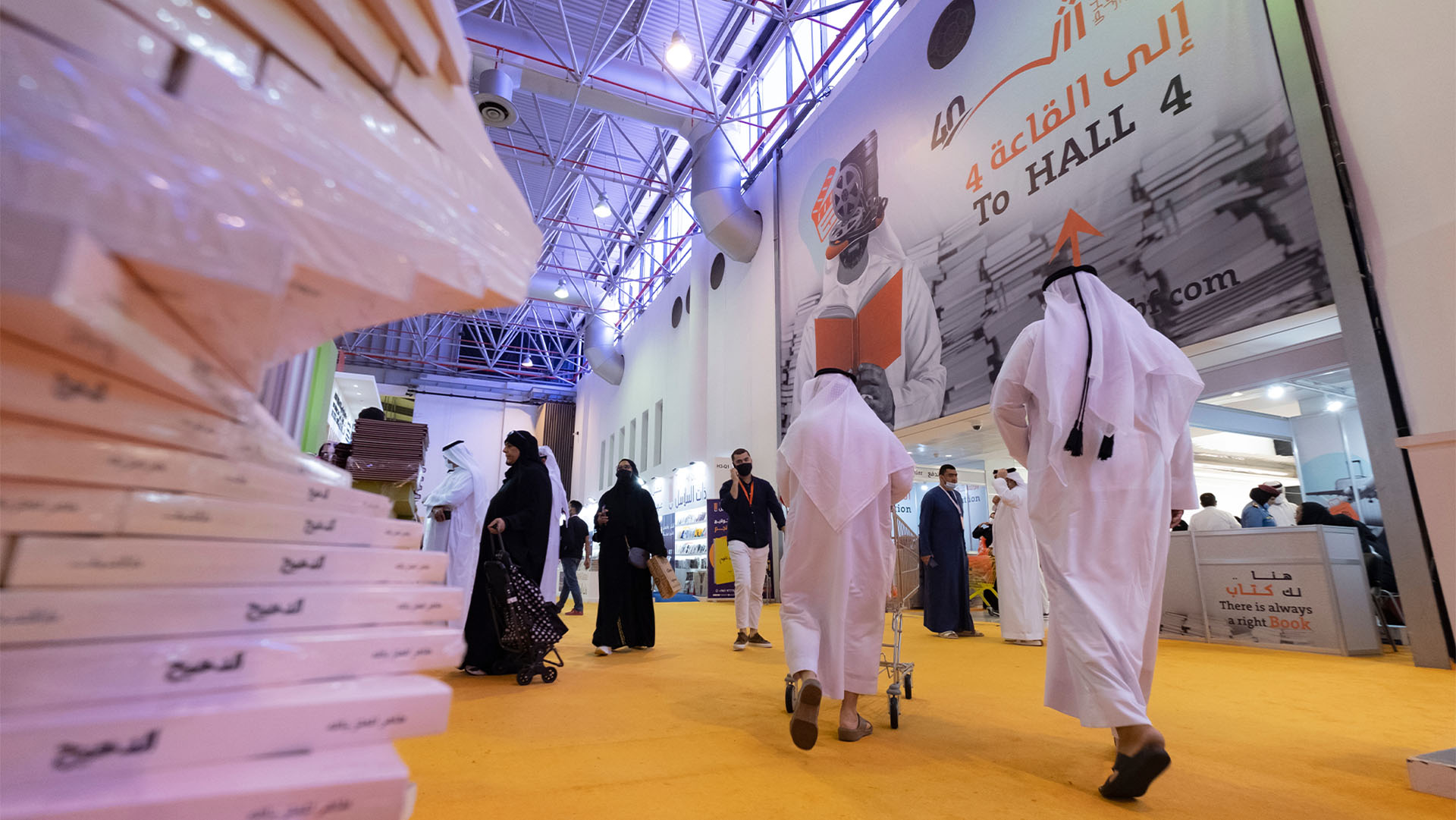
With events like SIBF and the Publishers Conference, and by taking the spotlight at the London Book Fair, Sharjah is helping to change that, and creating a modern and professional image for UAE publishing. Another important factor is the Sharjah Book Authority’s translation grants programme, which has so far supported the translation of around 1,200 books to and from Arabic and other languages. Many visitors to the Publishers Conference agreed that translations were the way to cross divides between publishers—and indeed between countries. “If we really want to end the conflict between cultures, it will be done through literature,” said Ramzi Ben Rhouma of Meskeliani Editions in Tunisia. “If we want that, we have to build a bridge—and that bridge is translation.”
Challenge and change
Another sticking point has been freedom of expression, which some Western publishers have questioned in the Arab world. But there was genuine engagement with it at Sharjah’s Publishers Conference, and a reminder of the need to accept different cultures and different speeds of change. As Kristenn Einarsson, chair of the International Publishers Association’s Freedom to Publish Committee, said: “Every country is unique in its culture and history. It’s not one size fits all, and what is suitable in one place might not be suitable in another. Sharjah is doing a really good job in moving these conversations [about freedom of expression] forward.”
With Sharjah the driving force, barriers between Eastern and Western publishers are breaking down—slowly, in some eyes, but surely. “It’s moved on light-years from the days when Arabic literature was either translated by the American University in Cairo Press or not translated at all,” says Bill Kennedy, director of Avicenna, who has been helping UK publishers sell books in the Middle East since the late 1970s.
The biggest step of all is to bring international publishing people up close to Arabic publishers and culture. Getting face to face, whether out in Sharjah or at the London Book Fair, is the fastest way to unlock opportunities, Kennedy thinks. “Nowhere on the planet than in the Middle East and North Africa is it more true that people do business with people. Email, video conferencing and so on have added another dimension—but it just doesn’t work unless you get out there, meet the people and see the market up close.”