




You are viewing your 1 free article this month.
Sign in to make the most of your access to expert book trade coverage.
The human art of indexing
Book indexes might seem the perfect candidate for AI automation. They’re not.


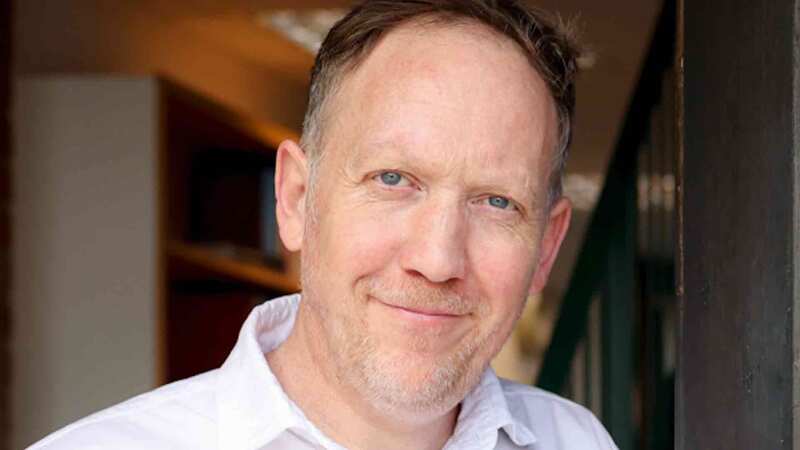
Last autumn, I received an entirely unexpected invitation to become the Honorary President of the Society of Indexers. The surprise email from the Society’s then chair stated that my championing of non-fiction through The Bookseller, my experience of publishing my own non-fiction, and my work with literature festivals and book awards made me an "excellent candidate" for the role.
Honoured, and not a little flattered, I accepted.
And then quickly felt like a fraud. Because in my lifetime of looking things up in the back of books, had I ever stopped to think about the skill involved in making an index? No, I hadn’t. But it turns out I should have done, and so should we all. I have so much still to learn about indexing. But I have quickly come to appreciate that it is creative human endeavour which deserves greater recognition from all of us involved in producing books.
Today is National Indexing Day. Appropriately subtitled: "Indexes and Indexers, a celebration of", this annual focus day was co-created by Ruth Ellis and Paula Clarke Bain in 2017 to mark the 60th anniversary of the founding of the Society of Indexers in1957.
You can join in with this year’s National Index Day online via hashtag #IndexDay. I am spending it with my new friends at the Society of Indexers who will be presenting a programme of workshops for publishing professionals covering such subjects as how best to work with an indexer, and the ins and outs of indexing software. But above all today is a chance to highlight the vital art of indexing and the reasons why it won’t be replaced by any artificial method of sorting and organising anytime soon, however intelligent a method it may be.
Contrary to appearances, right? You’d think that an index would be a prime candidate for artificial intelligence. Just feed in the data, ask a computer to process it alphabetically for you and… Bob’s your uncle (or maybe: uncle, Bob’s your). But the most useful indexes cannot be created algorithmically. Instead they need be compiled by someone with an innate understanding of how a human reads, and how they think about what they read.
As Society indexer Tanya Izzard has written: "We bring our own knowledge and life experience to each index we compile, as well as our indexing skills. We create human indexes for other humans to use."
In my lifetime of looking things up in the back of books, had I ever stopped to think about the skill involved in making an index? No I hadn’t.
What do we mean by "human indexes"? Well, a human index is one that draws on such qualities in the indexer who creates it as:
- Empathy: the ability to put oneself in the place of the reader, and consider what they need from an index, what they might search for, and what their priorities might be.
- Judgement: the ability to make rational decisions about what to include in the index, what to leave out, which concepts need to be included as well as which words. These could be implicit concepts that will not be found via simple word search.
- Understanding: often by drawing on subject expertise, indexers understand not only the content of a book, but the context and implications of a text as well.
When you start looking at indexes more carefully, as I have been doing over the past few months, you soon realise that they are far from simple alphabetical lists. At best, they represent an intuitive survey of all the contents of a book; that is all the facts/topics/concepts/characters/flavours/titbits it includes, and all the revelations a reader might most need or want to quickly zoom to.
The best indexes also reflect the personality of the book. When looking through the index for Me by Elton John the other day, I laughed out loud when I came across this particular entry:
Stewart, Rod
drag name ‘Phyllis’ 84
The credit for that index goes to society member, Caroline Jones.
In a presentation to the Society of Indexers annual conference last September, consultant and expert on publishing and AI, George Walkley, said that in a world where AI is rapidly becoming the norm, "human-crafted work, particularly in areas where emotional resonance, cultural context, and personal experience matter, could become even more distinctive and valuable".
So here’s my simple request today. Join us on #IndexDay. And pick up a book and instead of starting at the beginning, turn to the end. And then have a really good read of the index. If it has been compiled by a human indexer, you’ll find the whole world of the book right there. And it’ll make you even more keen to read it.