






You are viewing your 1 free article this month.
Sign in to make the most of your access to expert book trade coverage.
Hedging his best: one man's passion becomes his rural idyll

Caroline Sanderson worked as a Waterstones bookseller, and as a book publicist before becoming a freelance writer in 1997. The Bookseller’s
...moreA hymn to hedgelaying may not sound like a hit in the making, but the popularity of Paul Lamb’s Instagram suggests that the saplings of success may have been planted.


Caroline Sanderson worked as a Waterstones bookseller, and as a book publicist before becoming a freelance writer in 1997. The Bookseller’s
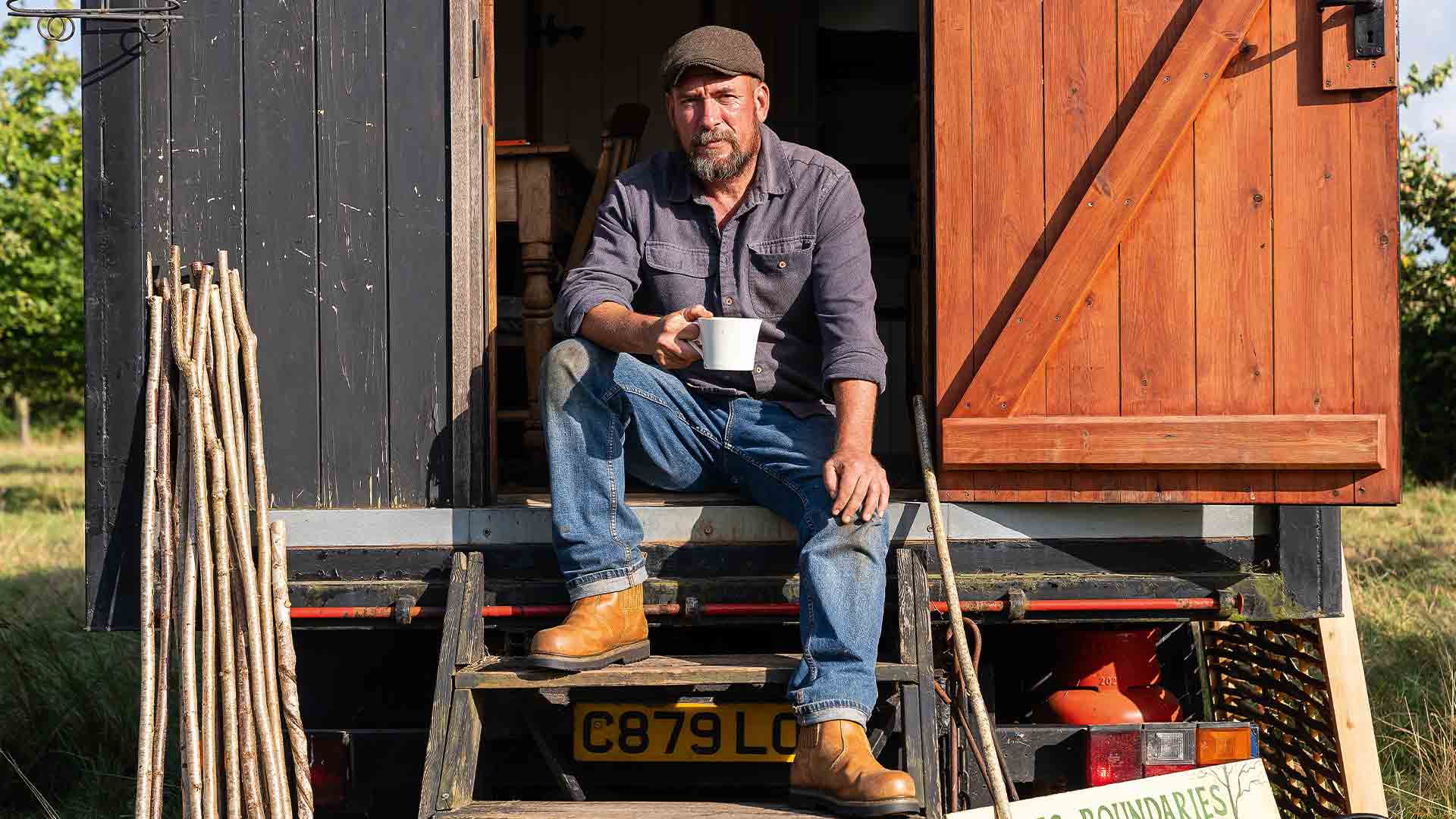
...moreOutdoors in the winter sun of a crystalline February day, to a soundtrack of birds rehearsing their spring songs, I’m standing with hedgelayer Paul Lamb at a Somerset farm with glorious views of the Quantock Hills. The hawthorn hedge before us is newly planted, and Lamb has thinned it, pleached its stems and then staked and bound it with hazel to reinforce it. Such traditional techniques, ideally carried out every 15-20 years, help rejuvenate our precious hedgerows, whose preservation is closely linked to maintaining biodiversity in the British countryside.
Living in a converted horsebox, Lamb travels the south-west of England throughout the hedgelaying season – which runs from the end of summer to nesting season in the spring – working in all weathers to maintain and restore hedgerows that are often many hundreds of years old. His debut book Of Thorn & Briar: A Year with the West Country Hedgelayer – charmingly illustrated with woodcuts by Robin Mackenzie – beautifully conveys the rhythm of the seasons as he explains how the British countryside is shaped by these ancient boundaries and ecological treasure troves. I’ll never look at a hedge in the same way again.
Born in Essex, Lamb emigrated to New Zealand with his family at the age of four. Over a mid-morning cuppa, he explains how his time there influenced his future vocation. “It was an outdoor lifestyle –fishing and swimming in rivers, hiking and tramping through the woods. I loved it”. When the family returned to Essex after 10 years away, Lamb’s initial excitement quickly turned to disillusionment with urban UK living. “It was a culture shock. And apart from playing rugby, I didn’t get on at all well at school. So I left as soon as I could.”
I related not only to the landscape and the slower pace of life, but also to the country people who inspired me in the same way as the Kiwi bushmen who made their living from the woods
Lamb headed south-west, working on fruit farms, selling firewood and “just breathing again”. And he fell in love with rural life. “I related not only to the landscape and the slower pace of life, but also to the country people who inspired me in the same way as the Kiwi bushmen who made their living from the woods.” While he still takes on a mixed portfolio of work, he fixed on hedgelaying as his “favoured employment” after becoming a father and settling for a time in West Dorset. There he learned to lay hedges with a softly spoken Dorset native called Bill Bugler who dispensed such sterling advice as “If a terrier can get underneath ’em, they is too high”.
Long a keen reader, Lamb had never considered writing a book. Then, at the suggestion of his two daughters, he set up an Instagram account to advertise his hedgelaying services. “And I realised I also had a bit of a soapbox to talk about why hedgerows are managed in this way, and about their decline and what it means to the countryside.” Before long he had garnered a substantial and devoted following (currently at 195,000). Then one of his followers – Lara Maiklem, author of Mudlarking – got in touch to say that she had mentioned him to her agent, Sarah Ballard. Ballard subsequently messaged him, and with her encouragement the book was born. “To my surprise, my book proposal got a really positive response from publishers. Sarah phoned me and said: you need to come to town. So I drove the old pickup to London, where I was like a rabbit in the headlights. But everyone was so complimentary.”
Hedgerows are not unique to this country, but they remain a distinctive feature of the landscape, despite half being dug out in the last century. “Even though it’s now illegal to rip hedges out, if they aren’t managed properly they fade away and die,” Lamb says. With an estimated 60% of our remaining hedgerows in poor condition, Lamb is embracing signs of renewed interest in hedgelaying, which he now teaches. “When we talk about the push to reinstate biodiversity, it’s a thick, dense, laid hedge that we want.”
Metadata
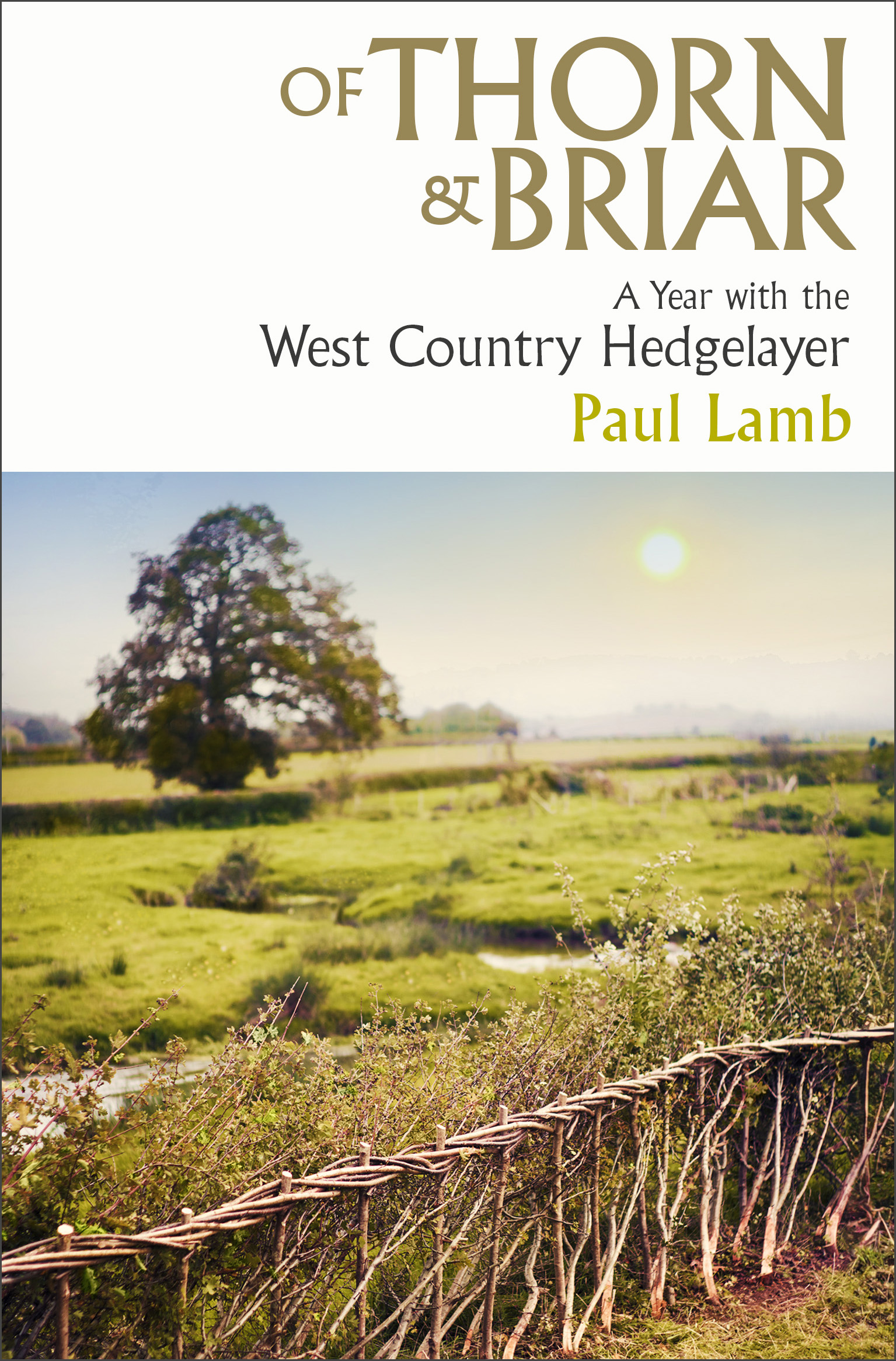
Imprint Simon & Schuster
Publication 3rd April 2025
Formats HB (9781398535039, £20), EB (9781398535046, £11.99)
Editor Kris Doyle
Agent Sarah Ballard, C&W