





You are viewing your 1 free article this month.
Sign in to make the most of your access to expert book trade coverage.
Kids inspire kids
Getting children reading isn’t just about literacy – it’s about social connection.


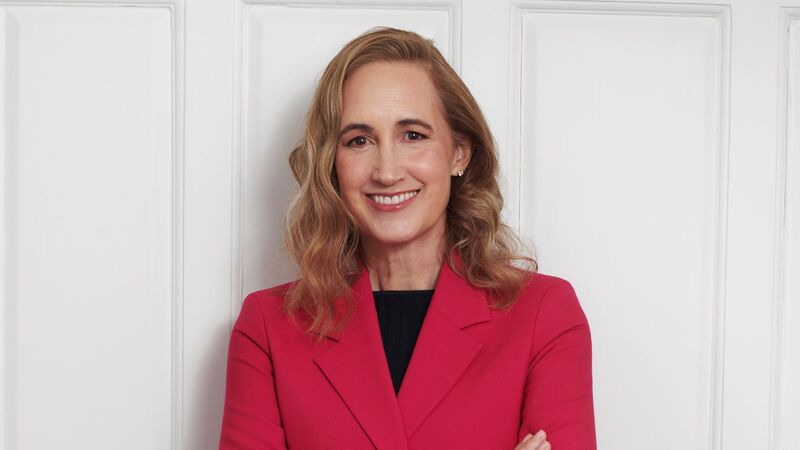
Beth Ginsburg and I met when our children Ruth and Tom started nursery in 2007. We were taking part in our children’s primary school one-to-one reading initiative when they were in Year 3 and we both loved books. Beth mentioned her mum was volunteering for a programme in New York that ran book clubs for children in their public school system. Encouraging our own children to read wasn’t always easy, and this sounded like a fun way to get them to discuss books and read more.
We persuaded other parents to get involved in our book club during playground chats, but as our children moved from primary school to secondary, we realised that while there was a lot of potential to keep children engaged and interested in reading by making reading a shared social experience, no one – neither child, nor teachers – would want parents leading the clubs in secondary school.
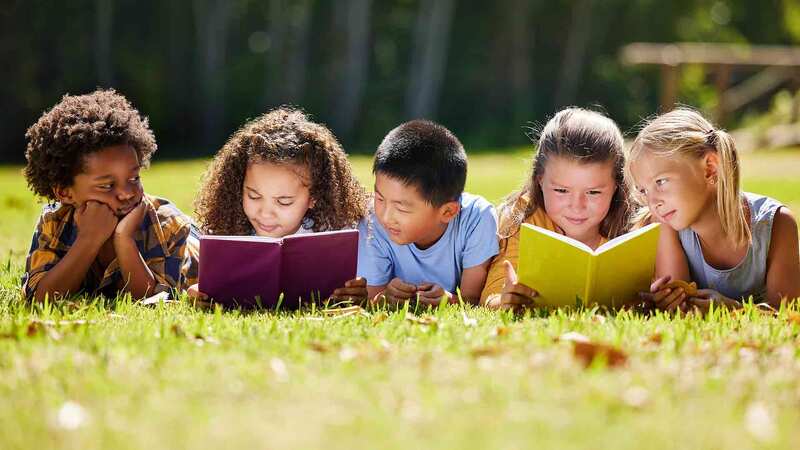
It was a eureka moment that sparked the evolution of the model — and the magic ingredient that transformed everything. Instead of parents, we would ask older pupils to act as Book Club Leaders for younger children. Book Clubs in Schools, as we know it today, was born. Suddenly the clubs became truly interactive, inclusive and informal. Quieter children felt able to talk more freely. We discovered that when a child sees another child reading, especially someone they admire – a friend, an older sibling, or another pupil – they see reading as a fun choice. And when that person shares a book that made them laugh, cry or stay up past bedtime, it makes reading contagious.
When a child sees another child reading, especially someone they admire — a friend, an older sibling, or another pupil — they see reading as a fun choice.
“Reading by yourself is nice, but listening to other people gives you an opportunity to really get embraced in the story. Book Club challenges you to read more, and when you make a point in discussion you may think it might not be right, but when you say it, you see that everyone listened and they value your view,” says a Book Clubber.
When we recommend a book to a friend we say: "You have to read this, it’s funny or scary or it will change your view." We don’t say: "Read this, it will be good for you." Yet adult gatekeepers too often share books that they think children should read, or fall back on books they enjoyed as children.
Continues...
Read More


There is so much angst about the decline in children reading for pleasure, and rightly so, but we don’t often ask for the views of children. If a survey says they aren’t reading, why aren’t we asking: ‘What would make a difference to you?’ and ‘What do you like to read?’
We know that children do read in schools where they have a knowledgeable librarian, creating an environment where book chat can happen and wide choice is on offer. Books should be diverse and inclusive, reflecting a wide range of interests and identities, and we should stop fretting over whether a graphic novel “counts” as real reading (it does), or whether it’s good that a child is re-reading the same series for the fifth time (it is, they’re building fluency and comfort).
Choice is a real motivator, as is allowing space to read in the week – not reading for the curriculum, just space to pick up a book and relax. Opportunities to talk about books and share views not only build identity as a reader, but also the confidence to be adventurous in book choices, and in life. When kids feel ownership over their reading, they’re far more likely to sustain it.
Book Clubs in Schools celebrates its 10th birthday this week and I couldn’t be prouder of all we’ve achieved. We’ve seen 40,000 Book Clubbers take part over the years in primary and secondary schools, including pupil referral units, and engage with books in a new way, including Summer Book Club. We’ve seen Book Clubbers go on to become Book Club Leaders, and Book Club Leaders go on to become inspirational teachers – but there are still so many more children we’d like to reach.
The truth is, reading isn’t just about literacy – it’s about social connection. Children love to talk about and share their experiences of a good book, and doing that in a safe environment, with their peers, gives them the freedom to fall in love with reading.
Book Clubs in Schools celebrates its 10th anniversary on 1st May with the creation of #BookClubsInSchoolsDay. For further information on how to get involved, including downloadable resources, visit www.bookclubsinschools.org.