



Tom Weldon looks back on 90 years of the Penguin brand


In 1935, Penguin Books founder Allen Lane wrote an article for The Bookseller introducing “a new series of books to retail at 6d”. A line of cheap books was already being marketed by Woolworths and what Lane called the “tuppenny libraries”, while the so-called better books were expensive and sold only in what some thought were off-putting bookshops. Lane argued that there were growing numbers of potential readers who, once they had “been induced to cross our threshold”, would be turned into regular book-buyers.
The celebration of Penguin’s 90th birthday, then, could not be better timed. In a post-pandemic world, the decline in reading, particularly among young people, but also within the non-fiction sector, has rarely felt more challenging, with Lane’s goal of finding new readers still relevant. The inheritor of Lane’s brand is Penguin Random House UK CEO Tom Weldon, who has held the role for 12 years, having been appointed after the merger between Penguin and Random House in 2013.
The anniversary, says Weldon, has been a moment to think about “what the Penguin brand means”. Lane’s motives, Weldon recalls, were both “missionary and mercenary”. He wanted to grow the market, but to do so profitably. As a start-up, Lane’s business initially struggled, with the first titles failing to find readers. “He never forgot the lesson from those tough times, that profit is important. But at the same time, he wanted to democratise literature and bring good books to everyone at cheap, affordable prices.”
Ninety years on, the Penguin could hardly be feeling more satisfied. The publisher – now Penguin Random House (PRH) – is part of the €19bn Bertelsmann Group, of which PRH contributes €4.9bn, with UK sales making up 10% of that figure. It is, by some stretch, the biggest trade publisher in the UK and the world, and continues to agglomerate. In the US, it now has a controlling stake in Sourcebooks and recently bought the personalised publisher Wonderbly; in the UK, acquisitions have included Hardie Grant and Quadrille. In Nielsen terms, the UK group generated sales of £389.4m – a record – and published 47 of the top 100 titles in 2024.
Profit doesn’t define us, but it sustains us. We’re a business and a cultural institution. And if you do both of those things, you’re not misusing your power
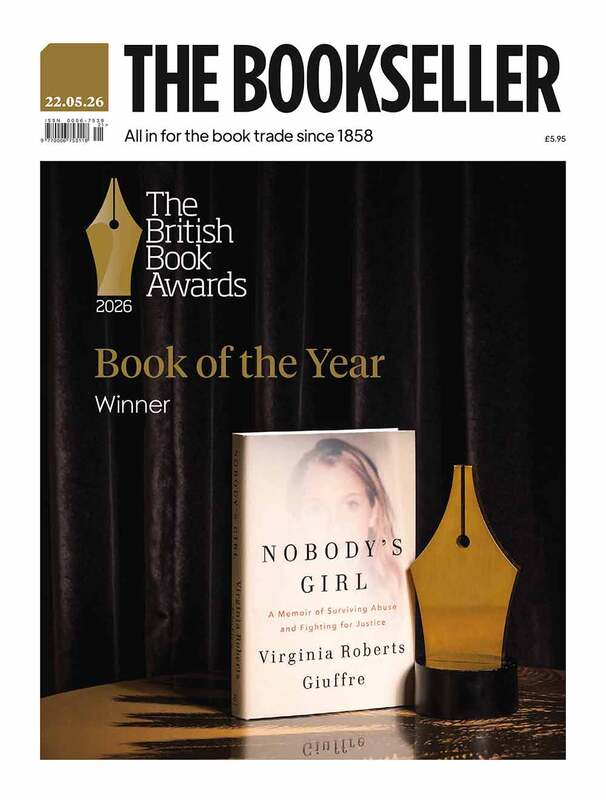
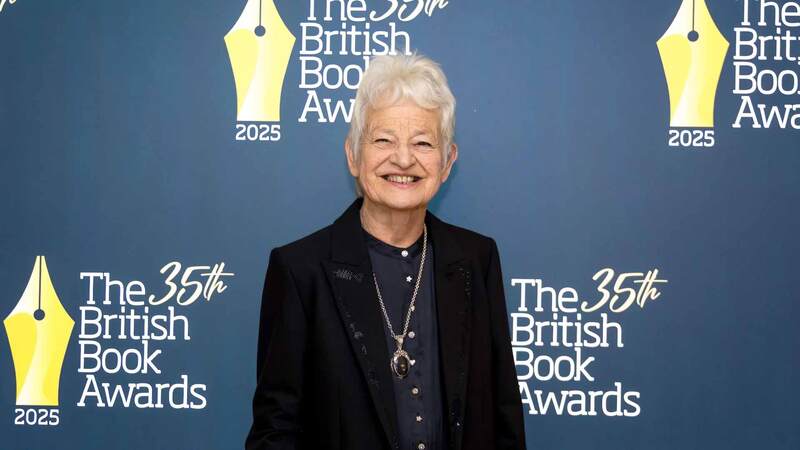
It also won the Nobel, Booker and Baillie Gifford prizes, a Nero Book Award, the TLS Prize for Poetry and the Wolfson History Prize. Last week, it picked up the Women’s Prize for Fiction, and its haul from The British Book Awards, held in May, was substantial – including Overall Book of the Year for Alexei Navalny’s Patriot.
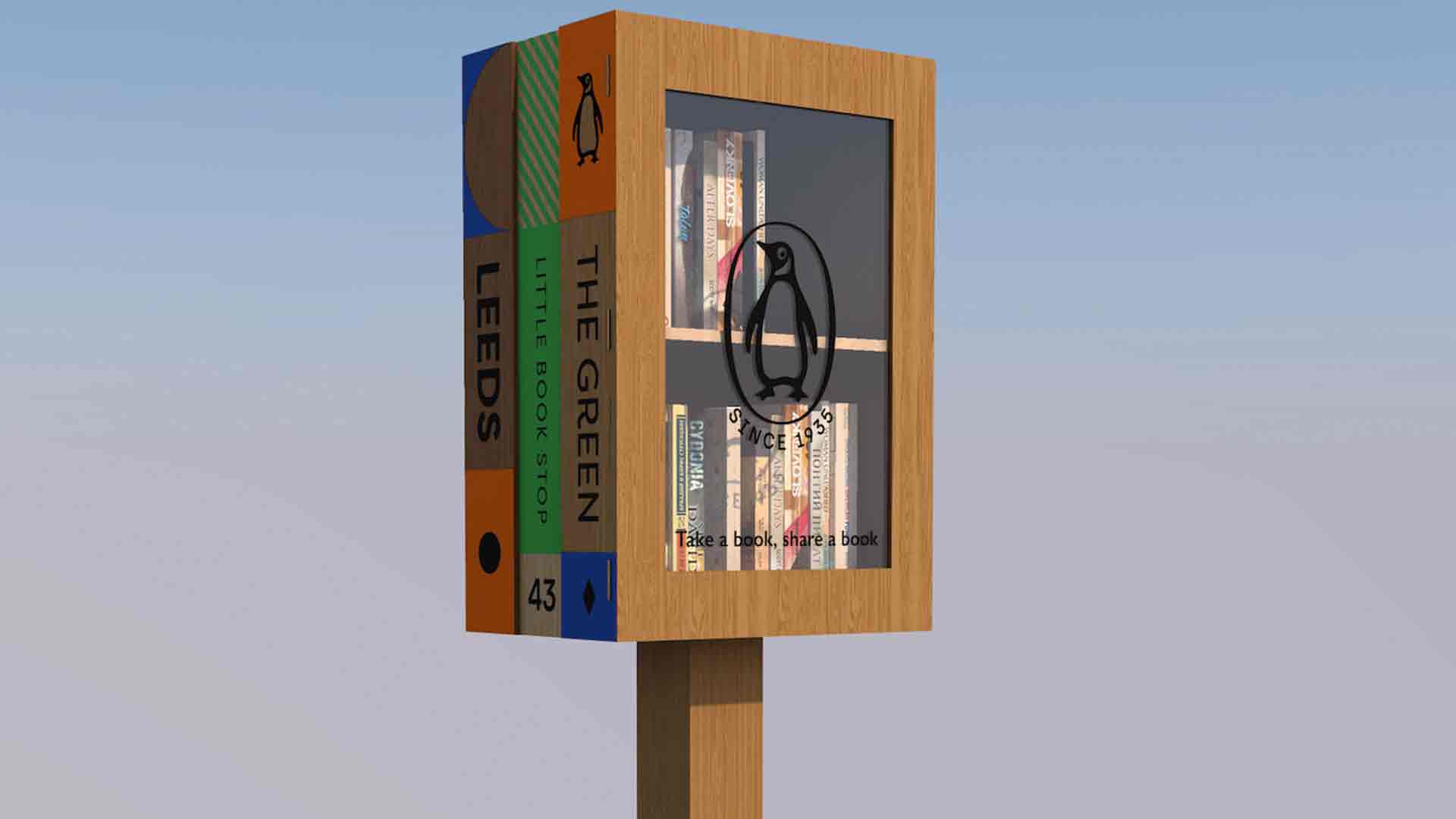
The 90th anniversary has kicked off a range of branding initiatives, including curated book lists from the devolved publishing divisions, a cover design award, the 90 Little Book Stops scheme, a Nothing Like a Book festival to be held in July at the iconic Truman Brewery, a special Social Impact Nibbie and an exhibition at No 11 Downing Street. As for that Penguin, it now features on all of PRH UK’s paperbacks, save for those put out by Vintage.
The wider activity speaks to the group’s breadth but also its footprint in the world. Scale may be useful, but it comes with a responsibility that Weldon is ready to acknowledge. “Profit doesn’t define us, but it sustains us,” he says, alluding to Lane’s difficult first year. Does he worry about the group’s size? “We’re a business and a cultural institution. And if you do both of those things, you’re not misusing your power.”
He points to the federal structure as a strength, with eight different publishers housed under one super-structure. “The most important decision a publishing company makes every day is which books to buy and publish, and that is an editorial decision here. I think that distinctiveness is really critical. We pay editors to have a point of view, and you’ve got to trust them. But of course they’re also accountable for what they do. Ultimately, though, they are the decision makers, and then you’re backing them with financial support,” he says.
Lane chose a Penguin to represent his brand because, in his words, the penguin was dignified, but flippant. “He thought what publishers do really matters, but he didn’t think publishers should take themselves too seriously.” Weldon is heir to that perspective. He cuts a positive figure, well-briefed and thoughtful. He is a fan of publishing, the cut and thrust of the business, as well as the books. “I can’t bear people who say: ‘Oh, publishing today. It’s so boring.’ Absolute nonsense. The only difference now is that people drink less at lunchtime – which is as it should be. Otherwise, it’s still a fantastically exciting and fun business.”
Continues...
Read More
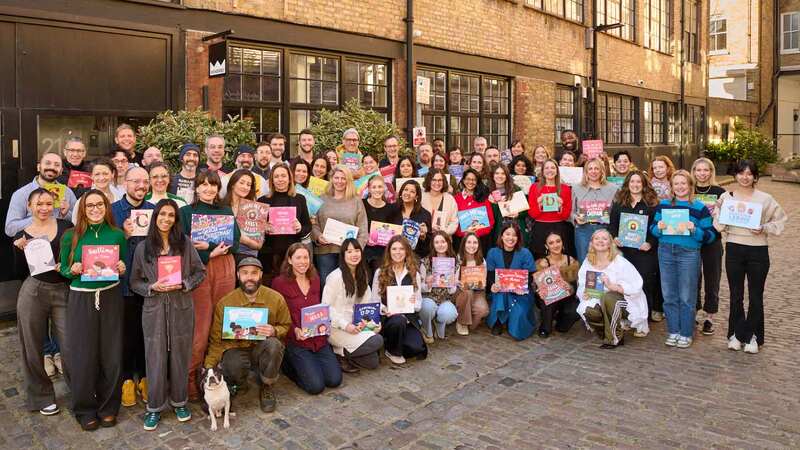

But for all the confidence in how PRH now manifests, there are areas of concern, as there were in Lane’s time. On diversity, for example, the promised change has not come fast enough. “I can understand the impatience. But I believe you can’t change this overnight. Just because it is taking time doesn’t mean you’re not committed to it, and focused on it.” With some justification, he points to Lit in Colour, the business’ effort to broaden the curriculum. “The Penguin brand does open doors, and what I am proud of, particularly over the last few years, is rather than just complaining… we have used the Penguin brand to make very practical direct interventions.” The Libraries for Primaries scheme is another good example of the business quietly making its mark – and bringing others with it.
That said, and despite 90 years of successful publishing under the Penguin banner, expanding the market for reading remains an ambition for all publishers. “I think a true mass market only exists very occasionally in our industry,” says Weldon, pointing to break-outs such as Spare, Harry Potter and Fifty Shades. Instead, he argues, the best publishers mine niches. “One of the reasons why book publishing has actually been sustained in the last 20 years, and why it’s in a very fortunate position now, is because publishers have always been very good at reaching and monetising pretty discrete consumer niches. And, in a very fragmented media landscape, which is only getting more fragmented, that is a huge advantage and skill that many people don’t understand.”
Lane could hardly have picked a tougher period for his great idea. The 1930s were a difficult time financially, with populism and polarisation on the rise. There are lessons for now, says Weldon. “Lane was a very curious person, and he thought that the appropriate response to politically difficult times, like today, is to be curious. You’ve got to try and understand people’s perspectives and, in particular – and I think this is helpful for the industry at the moment – to be curious about the people who disagree with you.”
On the latter, Weldon believes – as do most in his position – that the group is getting much of it right, arguing that the culture wars and their impact on publishing have been over-stated. “In the UK, since it was created in 2013, Penguin Random House has published 18,000 new books, and I would say we’ve had a handful of issues where there’s been controversy around what we’ve published.”
He points to a list that includes, for example, Jordan Peterson, Jeremy Clarkson and Owen Jones, in stating that the publisher is staying true to its curious roots, as well as its intentions to find readers across the political spectrum. Here, Weldon looks to his teams to take responsibility: “We are editorially led,” he says. “I absolutely think that is sacrosanct.”
“We haven’t stayed away from difficult or controversial books. But I feel, as a company, and indeed as an industry, we’ve actually navigated this pretty well. I think it’s finding the editors and publishers who are prepared to do that. And we’re very clear to people when they come into the company that they might work on books that they disagree with. And if they have an issue with that, then this isn’t the place for them to be.”
Lane also wanted his business’ values to reflect its publishing. In a speech at the London Book Fair, Weldon said: “We share Allen Lane’s belief that the best companies are brave enough to be principled and purposeful.”
He adds: “His advice [to be curious] was around the choice of books. But how your business behaves as a business, beyond the acquisition of books, how it treats its employees, whether it has a feeling of social responsibility, there I think he did believe in a wider mission. And I think he was also missionary, and I hope we still are today – that you publish a broad spectrum of books, and make books for everyone.”
Weldon is not showy, and this is reflected in how his company goes about its business. But he recognises that with the government’s less than full-throated defence of copyright (in the face of the development of artificial intelligence) and the commentary around publishing on social media, this is a moment to step up. “It does matter,” he says, “to be louder.” This is about attracting talent into the industry – particularly men at the moment, he adds – and influencing politicians.
“We can see how important that is. I do believe that publishing is a force for good; articulating that with authenticity is vital – especially now.” Spread the word, in other words, as Lane did, and hope to bring others into the fold.