



Paper Literary’s US ties present special relationship for next-gen authors
Catherine Cho and Katie Greenstreet discuss flying the flag for new authors who appeal on both sides of the pond.


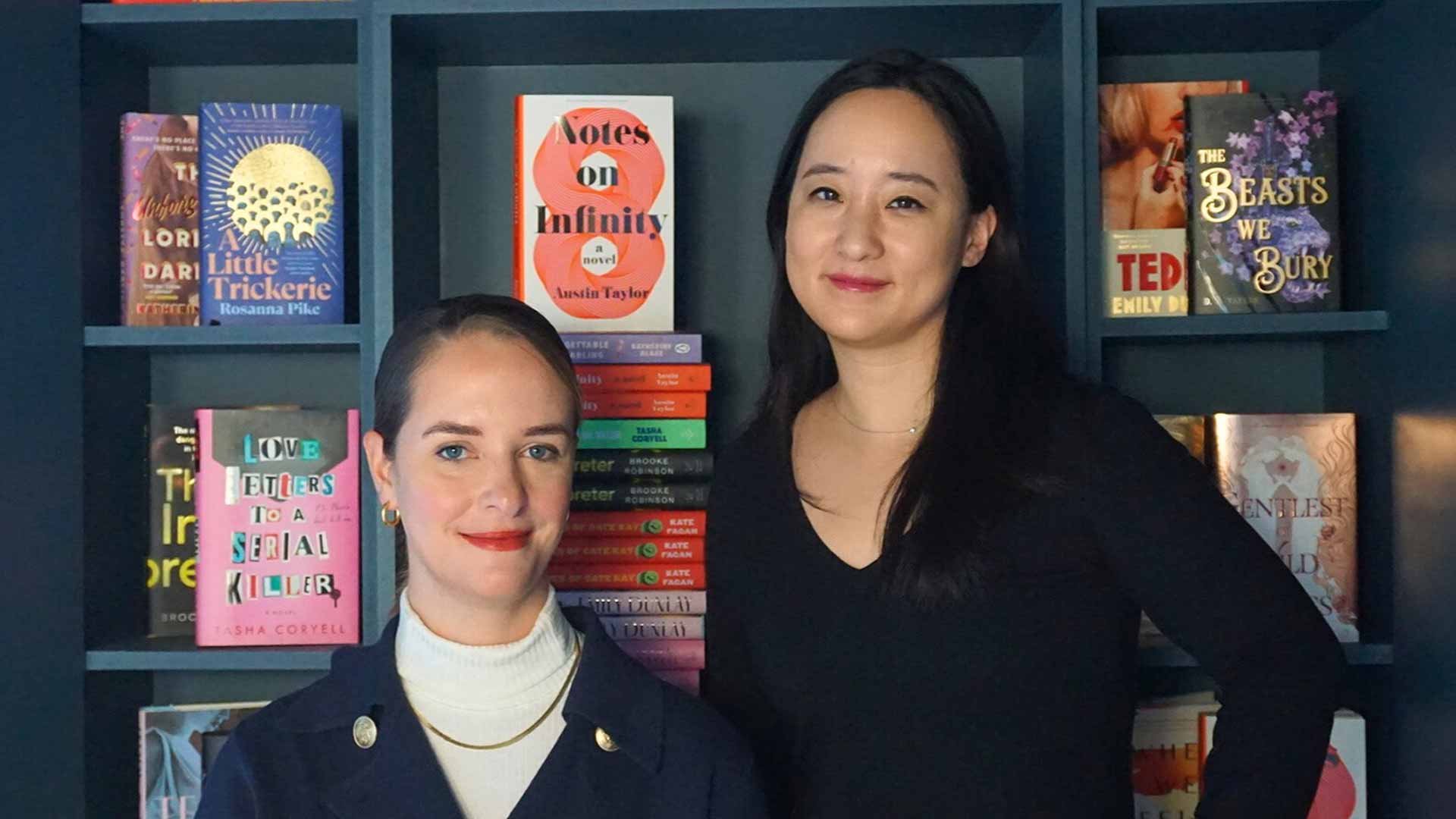
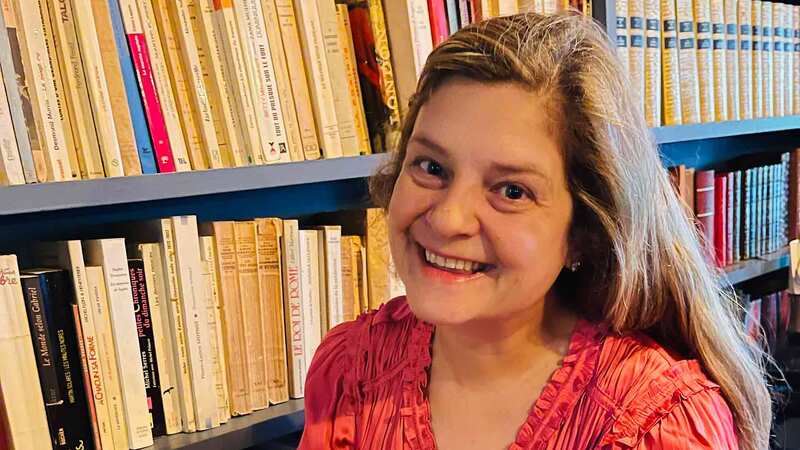
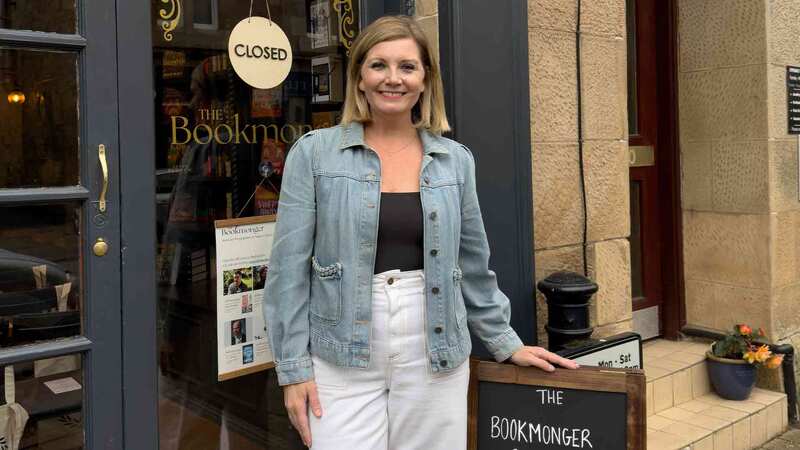
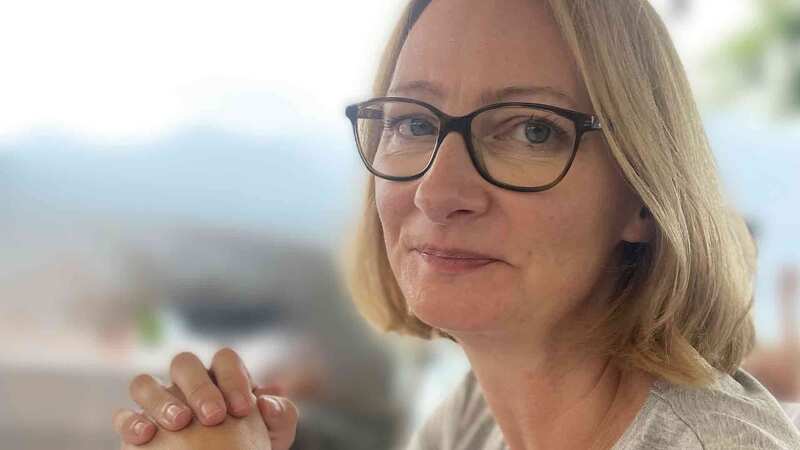
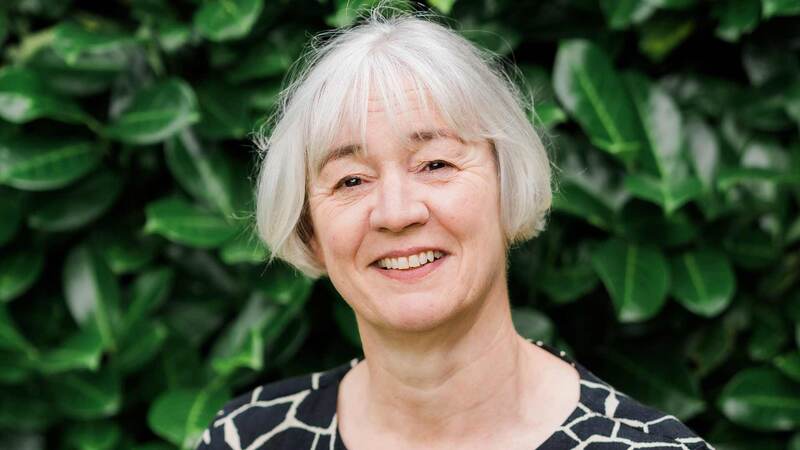
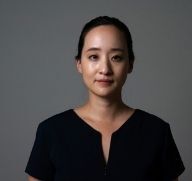
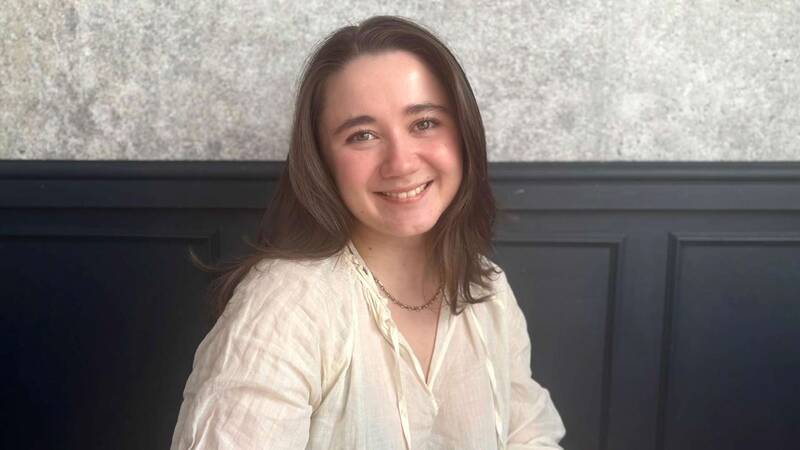
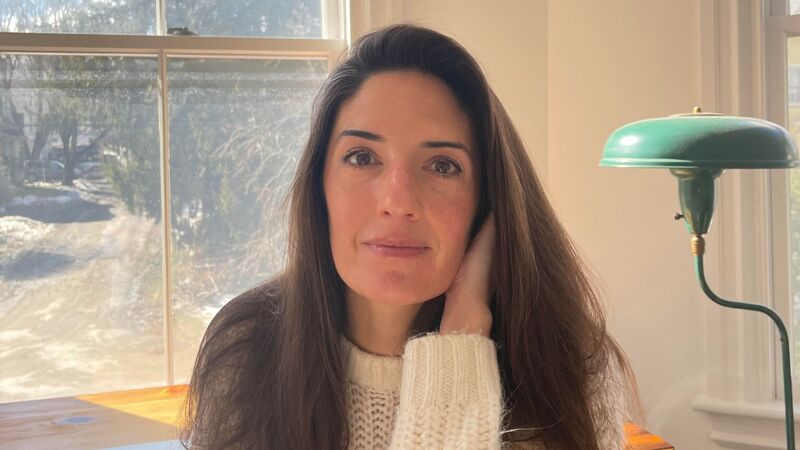
In what feels like a distinctly British setting on the top floor of Waterstones Piccadilly, with its view across to Big Ben and the city’s spires, the Star-Spangled banner is flying. Two thirds of Paper Literary are here to meet me; an ambitious startup run by founder Catherine Cho alongside her two fellow Americans Katie Greenstreet and Melissa Pimentel, the latter who’s based stateside.
Paper, which launched in London in 2021, leans into its dual identity, and why shouldn’t it? Theirs is a unique perspective, the duo says, of knowing what works and sells in the UK and US. It has set Paper out from others, allowing it to be competitive even against the well-established agencies in a relatively short time. It might be why, looking at the bigger picture, the agency has had to rely less on chasing industry trends and stars on social media.
Paper is punching above its weight, with big wins already under its belt. Some deals are yet to be announced, but there are a fair few to discuss as we sip our tea.
The ethos of Paper is that we really focus on finding the authors of the future, the next generation. In a very short period of time we’ve established a clear reputation for quality.
Kate Fagan, Emmy-award winning journalist and the author of What Made Maddy Run, chose Paper “over a bunch of other big and small US agencies” for her debut novel, The Three Lives of Cate Kay, published by Atria in the US and Bloomsbury in the UK. Chosen as a Reese Witherspoon Book Club pick, Fagan’s title is one of Greenstreet’s highlights at Paper so far: “To be able to execute such a successful book launch for someone who’s put their trust and faith in you felt really great.” Cho, meanwhile, cites Heir of Storms by Lauryn Hamilton Murray, out in June, as a major achievement. The fantasy trilogy achieved “an upper six-figure deal”, bought by Penguin Children’s. “What I’m really proud of is how much editorial work [Pimentel] put in,” she emphasises. “So when we sent it out on submission we had many overnight reads – I can’t remember how many editors were bidding.”
Special relationship
Who Paper represents very much relies on them being able to appeal and grow momentum on both sides of the pond. The Anglo-American connection “reflects a lot of what’s happening in the industry”, says Cho, who started her publishing career at Folio Literary Management in New York before moving to Curtis Brown and then Madeleine Milburn. “There’s James Daunt running both Barnes & Noble and Waterstones,” she points out as examples of successful ties between the two nations, “and Hachette’s David Shelley who’s CEO of both the UK and US.” In that case, is Paper a UK or US agency? “I wouldn’t say that we’re either,” Cho replies, “we are both.”
While there may be cultural crossovers and a common tongue, what sells in the UK market does not always translate Stateside, and vice versa. “We talk about the differences and similarities a lot,” Cho reveals. “American fiction is often quite topical, covering health insurance, medical issues or race, which aren’t as well written about here.” It’s by no means definitive, though, and Cho admits “it’s always surprising” what performs well or not. Greenstreet, too, has come across certain sensibilities and subjects that land with certain audiences. “Los Angeles settings are tougher to sell in the UK, while New York stories are more universal. But it’s not a hard and fast rule.”
Greenstreet looks at projects with silver screen potential. “It’s definitely one of our USPs and a key part of my list building,” she says. The truth is, Greenstreet goes on to say, agents have to think beyond just publishing a book. “We have to be creative, especially with such a small list [each agent works on four to five titles a year].” As Greenstreet eyes Hollywood, Cho has made inroads with subscription boxes and social media.
Next generation
Cho and Greenstreet know each other well, having met when they were both fledgling agents. When Cho launched Paper as everyone was still reeling from the pandemic, and with two young children at home, it didn’t take her long to seek out old acquaintances, luring Greenstreet from C&W. Pimentel, Paper’s editorial director, joined soon after and brought her experience of translation rights at Curtis Brown, where she worked for more than a decade. All three members work remotely, partly a reason why Cho says the agency hasn’t been beset by the operational challenges facing so many other small businesses. “I was thinking about what I really wanted from an agency, and what was missing in the industry,” Cho remembers. “The ethos of Paper is that we really focus on finding the authors of the future, the next generation. I think in a very short period of time we’ve established a clear reputation for quality. I wanted us to be dealmakers and tastemakers, and that’s very much something that we stand by.”
Continues…
Read More

It helps that both Cho and Pimentel are authors themselves. Cho wrote Inferno (Bloomsbury), a startling and illuminating account of her postpartum psychosis in 2020, while Pimentel writes romantic comedies and thrillers under the pseudonym Jessica Barry. “I understand how much of a wish it is,” Cho says of publishing a book for the first time. “Every book is a wish, right? There’s a lot of a person inside one. So, I do feel like it helps me to be a better agent, and hopefully more empathetic.” Nearly all Paper’s authors come from submissions, and because it has no backlist to rely on, the business has been built purely on discovery and frontlist. A way Paper better serves new authors is the dedication to their specific needs. “We put in a lot of editorial work; it’s a reason why we have Melissa. [It’s an] important part of our strategy. We don’t send out many projects, it’s really about finding ways to build people.”
Paper is turning up at the London Book Fair with a schedule full of appointments, along with a handful of hotlist titles. Cho has two standout submissions. One is a fantasy called Gutter Witch by Esmie Jikiemi-Pearson, who was previously published by Gollancz. “We’re pitching it as Wicked meets Babel; a dark academia with witches,” Cho enthuses. And the second is Bright Light on the Horizon by Lindsey Anderson Rios, a YA dystopia set in Alaska following a dog-sled runner who has to team up with her enemy. It’s a dystopia that feels quite escapist. It’s not despairing, it’s hopeful.”
Greenstreet, it should be said, is right at home at trade shows and boasts an impressive track record of securing major deals. For example, at last year’s Frankfurt Book Fair, she sold If Books Could Kill, a high-concept romcom by Kate Eberle, into 11 territories (and six more since, along with a major screen deal). “For every show, Katie’s had a ‘book of the fair’,” interjects Cho before I head back down Waterstones’ clunky lift. On that note, what Paper gets up to at LBF should be eventful.