
ao link
Subscribe Today
12th June 2026

Publishing should do more to celebrate Disability Pride
Though many networks and policies have been enacted, the industry could do more to celebrate Disability Pride Month.

Linked InTwitterFacebook
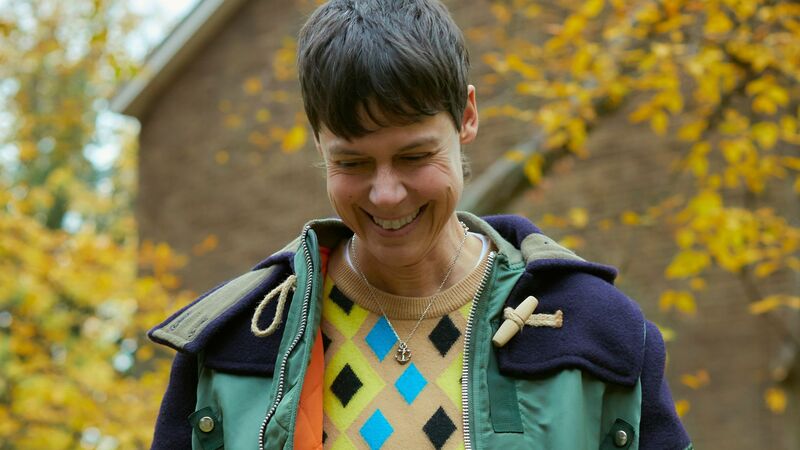
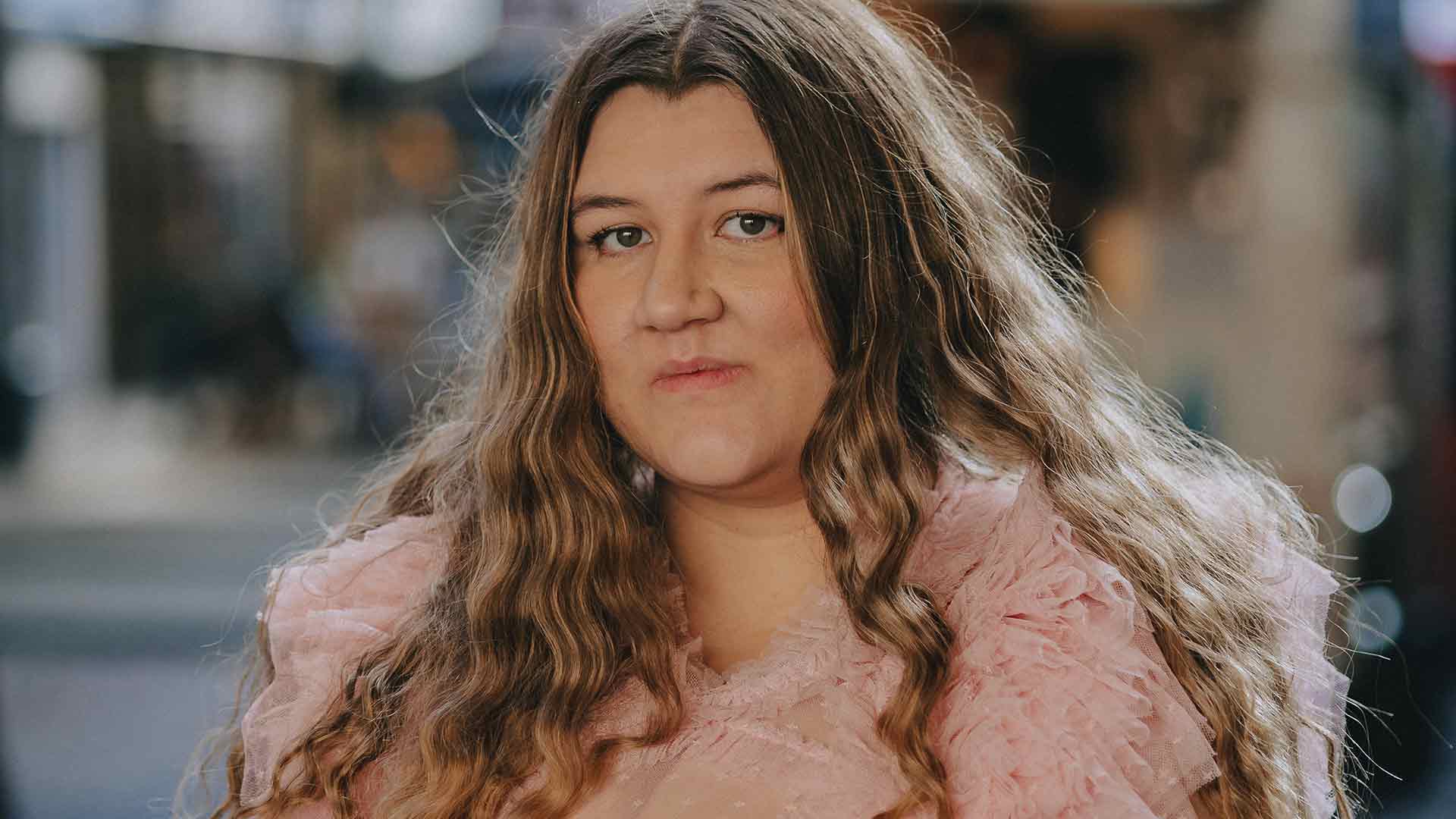
Elle McNicoll © Aashfaria A Anwar

Back in June 2016, I took part in the London Pride parade with my colleagues from Penguin Random House (PRH). We danced through the streets, handing out rainbow tattoos and bookmarks to the crowd, and I genuinely did feel proud: of my queer identity and of working for a company that has the power to change the world by amplifying marginalised voices.

LGBTQ+ Pride activities are certainly needed now more than ever, in the wake of increasing transphobia and the rise in hate crimes based on sexual orientation.

But why is it that we do not celebrate Disability Pride with a similar level of enthusiasm and effort, which takes place only one month later? Perhaps this issue is not unique to publishing; though Disability Pride Month has been celebrated every July in the UK since its founding in 2015, there are not large, visible Disability Pride parades in cities across the country to prompt celebration. 

Even some disabled people who I spoke to for this article had not heard of Disability Pride Month. But the lack of engagement might also highlight problematic attitudes towards disability in the industry and beyond.

Part of the problem might be the lack of books being published with disability representation, or written by disabled authors. One employee from a large publisher, who wished to remain anonymous, told me: “Disability Pride in the publishing industry tends to be ignored because there just aren’t enough books by disabled voices and featuring disabled characters.

It’s not a good look for publishers to create a post for Disability Pride and only have one or two books, which just speaks to the larger problem of why publishers aren’t doing more to encourage disabled authors and stories. However, the lack of engagement from publishers on disability awareness days then does nothing to encourage disabled authors to write their stories. It’s a vicious cycle, and the publishers need to be the ones to take the first step to show disabled authors that they care.”

Continues...


Read More

Bethany Handley uses poetry to fight discriminationBethany Handley uses poetry to fight discrimination
Hachette UK celebrates Pride with event-filled JuneHachette UK celebrates Pride with event-filled June
Oli Isaac and Rue Collinge take home top prizes at Disabled Poets Prize 2025Oli Isaac and Rue Collinge take home top prizes at Disabled Poets Prize 2025
Rachel Charlton-Dailey's book explores the history of disability activism in the UKRachel Charlton-Dailey's book explores the history of disability activism in the UK
Report highlights dearth of Own Voices children's books by neurodivergent and disabled authorsReport highlights dearth of Own Voices children's books by neurodivergent and disabled authors

Julie Farrell
Julie Farrell

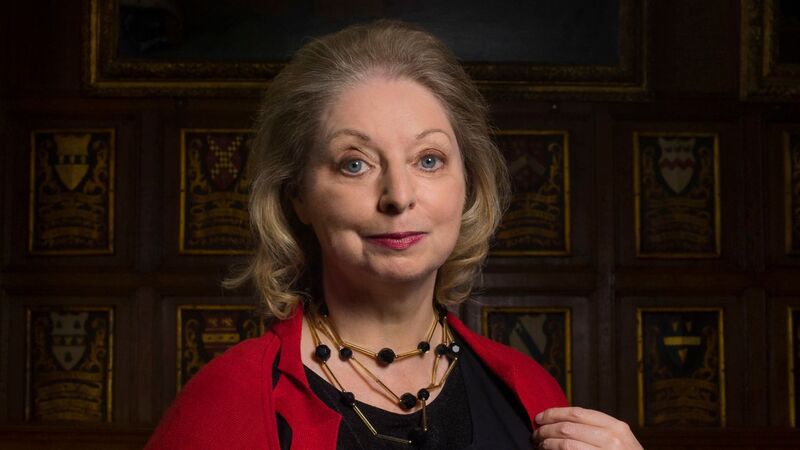
Disability issues also may be viewed as too niche to justify the time and marketing spend that Pride activities might require. But as Julie Farrell, author and co-founder of Inklusion, states: “Twenty-four percent of readers are disabled and will seek to buy these books, where they see themselves represented authentically. But UK businesses are collectively missing out on £2bn per month by ignoring the needs of disabled people, and it’s time that changed.

“We need to get behind our disabled writers meaningfully – loudly, visibly, by supporting them in telling their stories. Disability Pride Month is the perfect time to celebrate what’s different about us and our books – celebrate the slow-burn, the quiet autistic characters, the super detailed world-building, or the connecting experience of being othered. What we do differently is exactly what we should be celebrated for.”

And as author Elle McNicoll states, publishers need to work on actively inviting disabled people to the table: “Dare to believe us when we say that we are passionate readers who deserve commercial, literary, affirming, challenging books and events like any other person. It might mean having to do things a little differently but I think the literary world will survive a slight variation on tradition. And it’s okay to celebrate and find pride. We’re not ashamed of who we are. Don’t act like we should be.”

Despite the historical silence when it comes to Disability Pride Month, some publishers have activity planned for 2025.

Kim Kidd, diversity and inclusion manager at Hachette UK, said: “Championing Disability Pride and amplifying disabled voices forms a vital part of our commitment to Changing the Story. We’re so proud that Jessica Kingsley Publishers, as part of their mission to promote and publish diverse voices, is actively commissioning and publishing books on physical disabilities and chronic illness. Their focus is amplifying under-represented voices and creating books that platform the lived experiences of disabled people from all over the world.

“We are also thrilled to have announced the return of our JKP Writing Prize as part of our Future Bookshelf programme for under-represented writers, which this year will focus on the theme: ‘Everyday Disability and Chronic Illness: Stories of Joy, Resistance and Anti-Ableism’.” Hachette’s Accessibility Network will also celebrate disability pride month with an internal programme of events.

Continues...

Kim Kidd
Kim Kidd

Bloomsbury is organising a webinar for disabled writers, to demystify what the publishing process is like and answer any questions, with a panel featuring an author, editor and agent. The points raised in this session will be used for an internal awareness campaign showing staff what information disabled authors would like to have about the publishing process. Following this, resources will also be shared that editors can refer to when navigating conversations and adjustments with disabled authors.

Pan Macmillan has organised a British Sign Language (BSL) taster session with BSL training organisation Remark! for employees, including a focus on publishing-specific phrases. Throughout the month, digital screens around the office will highlight facts and experiences that challenge assumptions and celebrate contributions of disabled people, as well as accessibility tips. They are also creating a short document entitled Things the Ability Network Wish You Knew with anonymous contributions from their network sharing insights into the experience of having a physical or mental health condition, neurodivergence and/or being a carer.

Pan Macmillan is also planning a book giveaway to the wider company with authentic disability representation, and they have a disability network community event involving puppy therapy or a terrarium-building workshop, “aimed at offering both a bit of calm and connection”.

PRH will highlight their network for disabled colleagues and relevant policies on their employee intranet, with no consumer-facing activities currently planned. We canvassed a number of other publishers and retailers to see whether they had Pride Month plans – some said they did not, while others did not respond.

Clearly, activity around disability should not be limited to a single month, and many publishers now have policies and training in place to support their disabled and neurodivergent employees long-term. But not celebrating Disability Pride is a missed opportunity to show that disabled people are a priority in publishing, to be both supported and celebrated.   

Traditionally, disability has had negative connotations – something to feel grief over, to be ashamed of or hidden away. As a disabled person, I can certainly say I do not feel celebratory about my pain and struggles much of the time. But all Pride celebrations are not exclusively about joy, either. They are collective moments of acknowledgement, visibility, protest, grief, noise and empowerment. They say: these people matter. Their stories matter.

Hopefully, in future, more publishers and retailers will amplify this message for us too.

Latest Issue

12th June 2026

12th June 2026

Latest Issue

12th June 2026

12th June 2026

Submit your titles for the upcoming Buyer's Guides

The deadline to submit titles for the autumn/winter Buyer's Guides is NEXT FRIDAY, 28th April. Submit your titles for inclusion now.

FIND OUT MORE