





You are viewing your 1 free article this month.
Sign in to make the most of your access to expert book trade coverage.
US judge gives preliminary approval to $1.5bn Anthropic settlement with authors


A judge in a US court has given his preliminary approval to a settlement by tech giant Anthropic, which would see authors whose work was used by the company to train AI-models receive a share of $1.5bn.
If final approval is given, the company would have to pay the $1.5bn to the authors and publishers of nearly half a million books it downloaded from pirate sites to feed AI models.
The lawsuit was brought by three authors and this settlement would mean Anthropic will pay $3,000 for each piece of copyrighted work that was pirated. Anthropic, headquartered in San Francisco, California, is currently valued at $183bn.
The suit – Bartz v Anthropic – was first filed on 19th August 2024 by three authors and included broad class action copyright claims against Anthropic over AI training. On 23rd June, Judge Alsup of the District Court for the Northern District of California issued an order indicating that copyright infringement claims related to Anthropic’s mass copying of books from illegal shadow libraries could move forward to trial and, on 17th July, he certified the class for these piracy claims, which by class definition includes publishers as well as authors.
However, on 25th August this year, the parties jointly submitted a statement of potential settlement to the court. Alsup must approve the entire proposed settlement before it can take effect, and additional details of the settlement will be fleshed out under the court’s supervision.
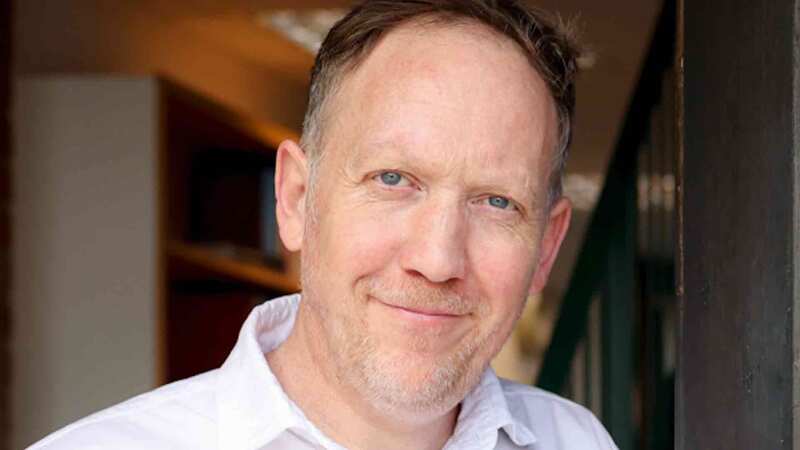
Dan Conway, CEO of the Publishers Association, said: “This is a significant moment in the ongoing global debate around copyright and AI. For the first time, a major AI company has agreed to pay publishers and authors for using pirated material in its training data. This is a clear win for rightsholders with copyright registered in the US and – we hope – a signal to AI developers worldwide that they must license works and establish a functioning market for AI training. It’s important that we all recognise that this outcome is fundamentally limited, however, in that it is only past use of pirated book content for training that is covered. The outcome does not establish a clear precedent that all copyright-protected content must be licensed and paid for in AI training, either in the US or globally.
“The US court-approved process for claimants will be published shortly and we, along with other UK bodies, will signpost to this when it becomes available. The first step for UK publishers is to verify which of their works are included and work with their industry associations on next steps. We will be supporting our members with this, including through direct engagement with US Class Counsel and written guidance.
“Overall, this is a step in the right direction in the US, but the bigger battle for saving copyright in the world of AI domestically and globally is still very much on. Here in the UK that means the government needs to turn its mind to the AI Bill and show political leadership around ensuring AI firms are transparent about the content they have used. The data which has enabled this settlement demonstrates that granular transparency is technically possible, despite the lobby of big tech to the contrary.”
Continues...
Read More
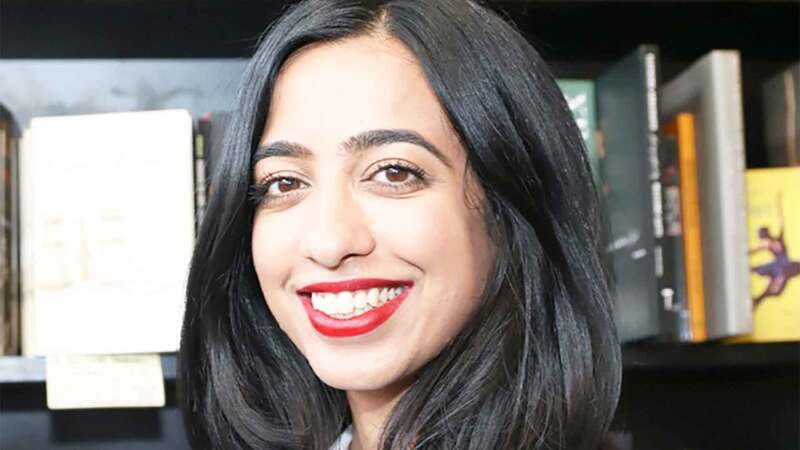
Anna Ganley, CEO of the Society of Authors said: “We are delighted with the Court’s decision yesterday. This is a win for authors and rightsholders, and a step in the right direction towards compensation for the unlawful use of copyright-protected works by Anthropic and other AI companies to train their AI models. This is just the start. Big Tech is not above the law and creators’ rights cannot be ignored. The rule of law must be upheld.
“We will now examine these new developments in detail to understand what this will mean for authors, translators, and illustrators in the UK who have had works stolen by Anthropic, as well as what precedent this will set for the wider industry.”
The Association of American Publishers (AAP) also welcomed the news calling it a "major step in the right direction in holding AI developers accountable for reckless and unabashed infringement".
A statement from the AAP added: "Piracy is an astonishingly poor decision for a tech company, and – as the settlement figure demonstrates – an expensive one. The law should not reward AI companies that profit by stealing.
"As it becomes clearer and clearer that one AI company after another has helped itself to the intellectual property of authors and publishers, we hope that courts will recognise that the unlicensed, carte blanche use of copyrighted works for AI training is not transformative and not fair use. Rather, it flies in the face of the constitutional objectives of copyright law and undermines the full and safe potential of AI for all of us. AI companies have an interest and a responsibility to respect and sustain the very industries they rely on to advance their technology. They have a duty to share the tremendous commercial value they have achieved in no small part from the talents and investments of creators.
"Anthropic is hardly a special case when it comes to infringement. Every other major AI developer has trained their models on the backs of authors and publishers, and many have sourced those works from the most notorious infringing sites in the world. This conduct isn’t only an attack on copyright law; it’s an astonishing breach of trust with their AI customers and our future society.
"Make no mistake that the court’s preliminary approval of this settlement is a very big deal and cause for celebration in the AI copyright docket. It would not have been possible without the tremendous efforts of publishers and publishers’ coordination counsel, authors and authors’ coordination counsel, and class counsel, all working together in the interests of all class members. We also recognise the bravery of the three original authors in the underlying suit."
The AAP added that it will continue to speak with and be available to counsel on legal and industry questions in this case, and "will continue to request and broadly share that information with the publishing community".