


You are viewing your 1 free article this month.
Sign in to make the most of your access to expert book trade coverage.
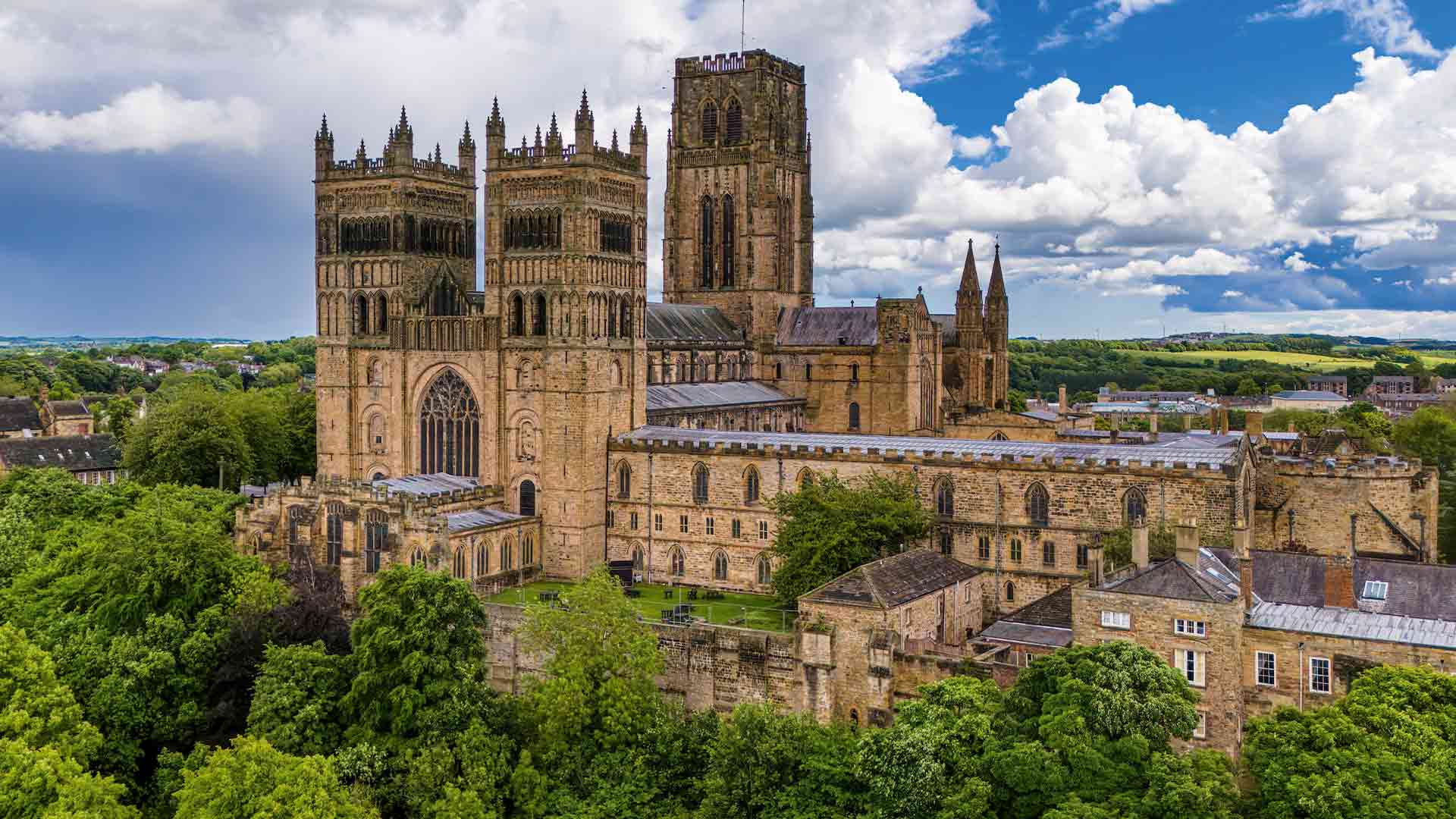
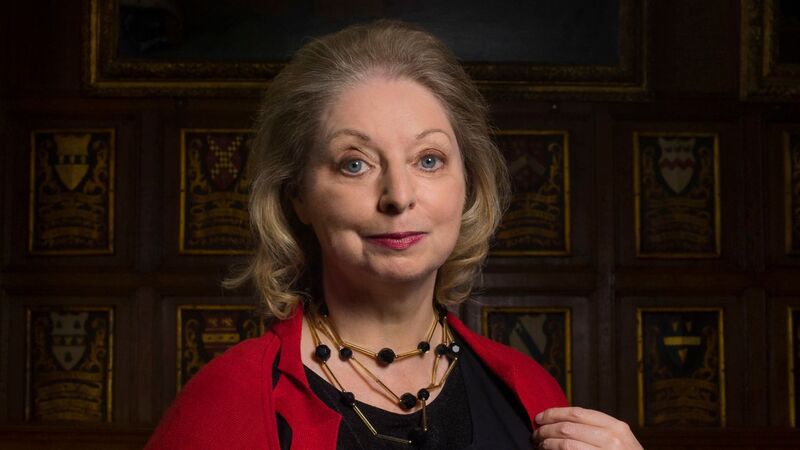
Twenty-one years after the publication of Jonathan Strange & Mr Norrell (Bloomsbury), bestselling author Susanna Clarke has returned to the world of the novel in a new short story, The Bishop of Durham Attempts to Surrender the City, published by Fictionable.
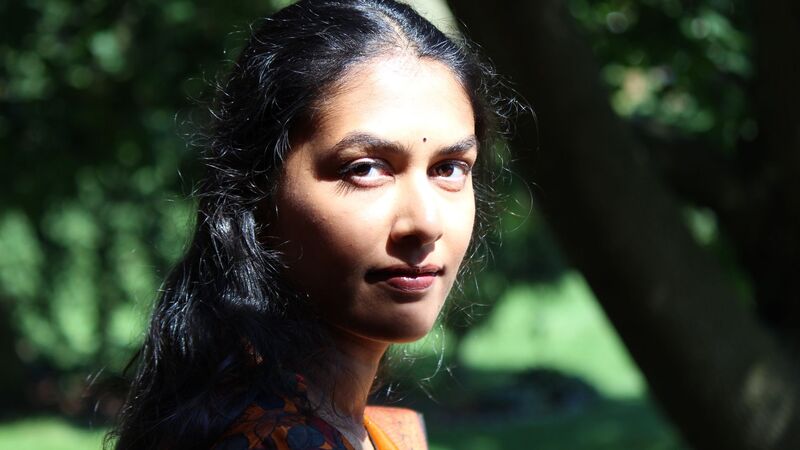
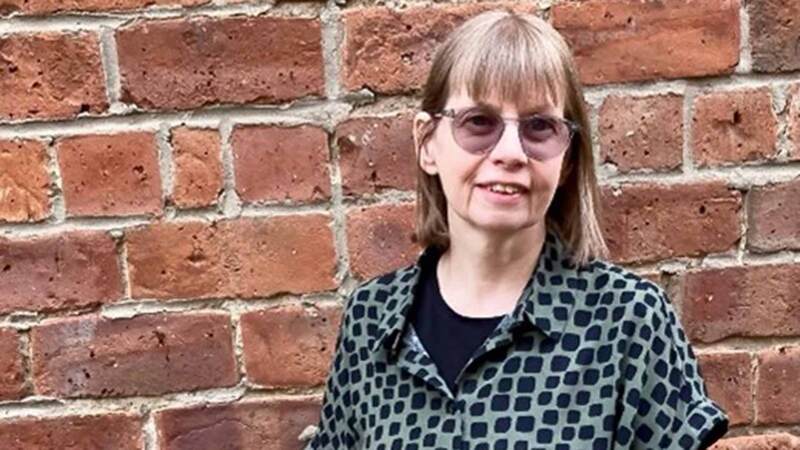
The story is set to appear on the Fictionable website on 24th April 2025, alongside a story by Icelandic author Fríða Ísberg, translated by Larissa Kyzer and stories by Bronia Flett, PR Woods and Jeremy Wikeley.
Clarke’s story, set 600 years before Jonathan Strange & Mr Norrell, “sheds new light on one of the novel’s most intriguing characters”.
It opens as the Raven King’s fairy army sweeps across the north of England and the city finds itself surrounded by shadowy figures. “When at last they emerged out of the mist, the citizens saw that they were not giants or ogres – as they had feared – but trees, the ordinary trees of England. One by one they crossed the fields and meadows, and assembled to form a dense wood. Within a few days it surrounded the town,” an extract reads.
In a world transformed, Bishop Ranulf discovers that there are new alliances to be made between Norman, English and fairy. And so he goes in search of the fairy king: “He had already served three kings. He did not see why he should not be useful to a fourth.”
Continues…
Clarke said: “The Bishop of Durham Attempts to Surrender the City is a story I’ve been thinking about for a long time. It’s allowed me to revisit a character from Jonathan Strange & Mr Norrell – one of those who are just glimpsed in the shadows of that book.”
Fictionable editor Richard Lea said: “We’re delighted to bring readers a fascinating report from the world of Jonathan Strange & Mr Norrell, a magical story where they can get to know the mysterious Raven King a little better. And it’s wonderful to present it next to such a strong set of stories, ranging from break-up to blackout and from the dissolution of the monasteries to tree surgery on a council estate.”