


You are viewing your 1 free article this month.
Sign in to make the most of your access to expert book trade coverage.
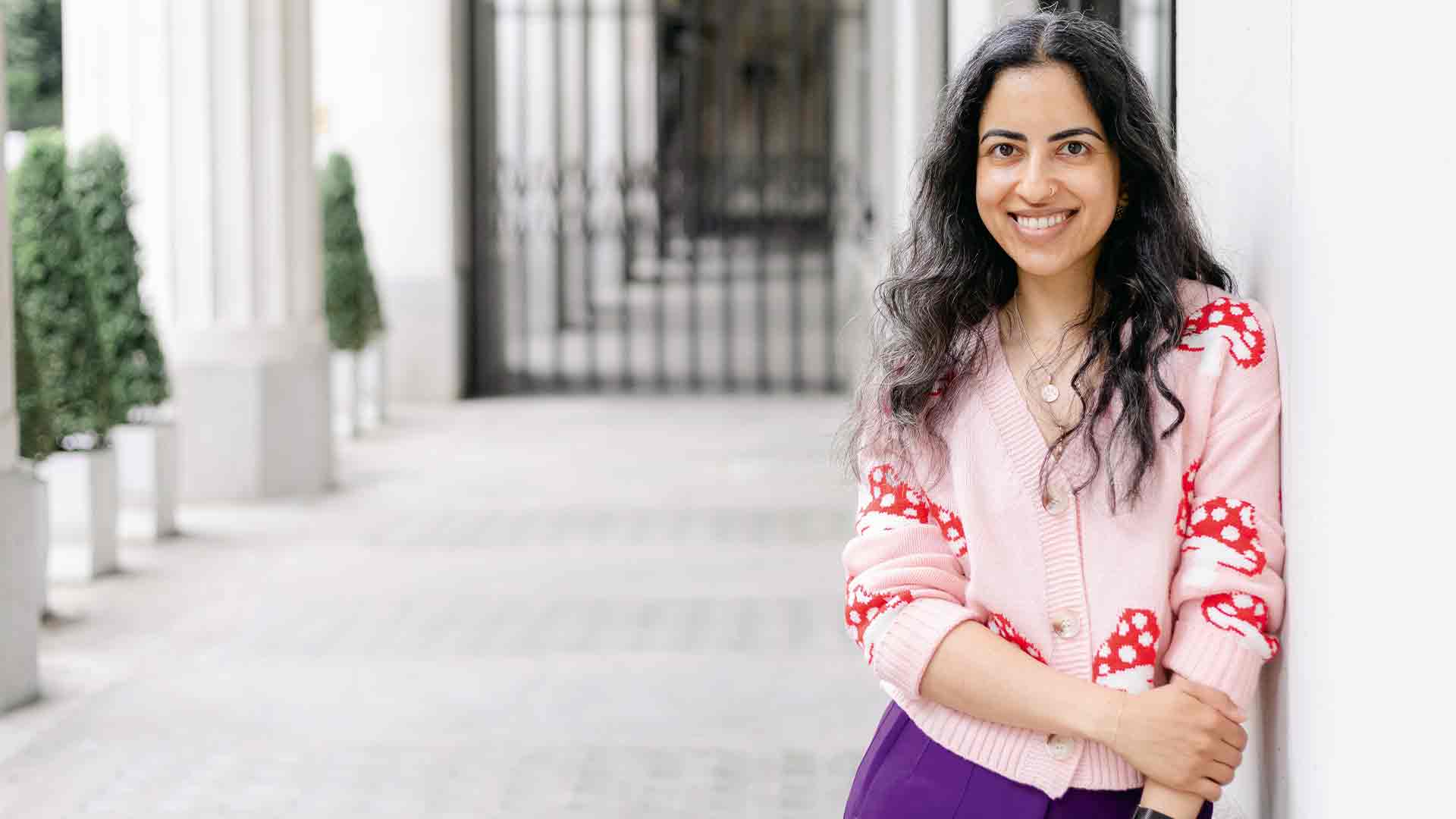
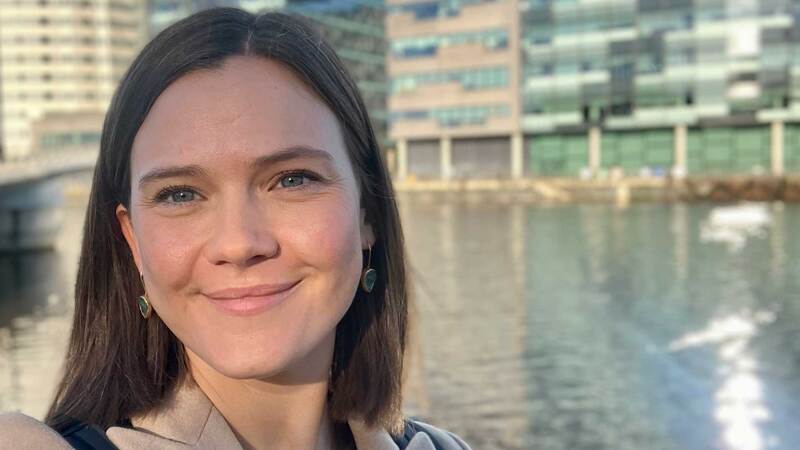
At Spotify, Roshni Radia is editorial manager for audiobooks in Australia, New Zealand, the UK and Ireland, and Europe. However, audio-bookshop manager would likely be a more accurate description of her role, which involves overseeing the selection of titles displayed on each digital “window” or “shelf” in the audiobook section on Spotify.
“When Spotify says editor, it means bookseller,” Radia tells me during our interview in one of the company’s playlist-themed meeting rooms. The term speaks to the definition used by the music streaming industry, where an editor is a tastemaker, curating thematic playlists for users.
Music is tied to everything Spotify does, but the platform’s audiobook arm has also started to hold its own. The catalogue has grown significantly since the Premium offering was launched in late 2023. With more than 400,000 titles to choose from and 15 hours free-listening time every month, more Premium users are discovering audiobooks for the first time. The number of audiobook listeners on the platform was up 30% from 2024 to 2025 and, according to the company, many of these users were new to the format.
It is hardly surprising that music memoirs are a popular choice for new listeners, who can switch effortlessly between listening to Oops!…I Did It Again and Britney Spears’ The Woman in Me (Gallery UK). These “gateway” audiobooks are key to reaching “users who’ve potentially never listened to an audiobook before”, and Radia says this genre is popular across all markets.
Production quality has become a top priority in recent years, with companies investing heavily in creating more immersive audiobooks. But the popularity of backlist titles suggests that “people are clearly really happy for poorer audio quality if the story is excellent”. Older releases thrive on the platform, as Premium users are utilising their free listening hours to experience the classics in the audio format. JRR Tolkien’s The Fellowship of the Ring (HarperCollins) tops the list of most-listened titles, while The Two Towers (HarperCollins) is the tenth most popular audiobook among Spotify listeners.
In non-fiction, print bestsellers like Chris van Tulleken’s Ultra-Processed People (Penguin) and Rory Stewart’s Politics on the Edge (Heruitgave) have become fan-favourites. Radia says listeners gravitate to political memoirs and turn to audiobooks to learn about history, but when it comes to current affairs, the data seems to suggest users prefer to get more up-to-date information from the various news and analysis podcasts available on the platform.
Continues…
Listening habits are “influenced by the cultural moment we live in” and vary depending on the season: Self-Help sees a boom in January, Romance thrives during Christmas and February, while Sport titles are a top choice in the summer months.
Beyond the seasonal sensations, Radia says Mystery and Thriller is “such a solid genre” on Spotify, with Richard Osman’s The Thursday Murder Club emerging as the sixth most listened-to book on the platform.
Many users gravitate to escapist fiction, seeking imaginative worlds that provide a respite from “our political landscape as it is”. Equally, Radia says “books that potentially don’t have the largest marketing campaigns are doing really, really well, across all genres".
When publishers pitch their titles to the team every quarter, Radia selects the ones that are most likely to resonate with Spotify users, who are as diverse as the Spotify Wrapped results. The goal is for all these listeners to become aware of their free audiobook listening hours and turn to Spotify’s audiobook store for recommendations. “I feel like Spotify has such a unique voice in the book landscape, and I think that really plays in our favour,” Radia tells me. “We’re seen as really cool.”
Discoverability is Spotify’s bread and butter, with its powerful algorithm generating tailored recommendations for users; from music to podcasts and audiobooks. “I want the feelings people have with their music experience, with their podcast experience, to then move that along into audiobooks,” Radia says.
The editors are working to develop an “editorial voice” – providing a “human element” to the recommendations – to build trust with listeners. Radia listens to hundreds of audiobooks – six hours every day, at a 2.5x speed that most users would find impossible to follow – to select the titles recommended on the audiobook store. “We want them to trust that we are people who listen to and read books, that we know what we’re talking about, and that we understand you as a user.”
There is still space to grow Spotify’s audiobook catalogue, and the platform has started featuring more titles by independent presses, but the focus is still on building the foundations. “I don’t want to put people off by being too experimental,” she explains. “It’s still such a new offering that we have. Let’s build that trust and then I can be like, ‘OK, here’s this totally off-the-wall-title I think you’ll love; try it.’”
The UK audiobook market drove growth in the industry last year, with revenue soaring 31% since 2023, reaching a record-breaking £268m. Spotify has played a crucial role in this boom since entering the market. In its preliminary results for the year ended 28th February 2025, Bloomsbury reported that audio sales “grew 57% in part driven by our new commercial relationship with Spotify”. Meanwhile, in its full-year results for 2024, Hachette UK said “digital sales grew significantly in the audio segment (up 38%), driven by a new partnership with Spotify”.
Publishers were “incredibly excited” when Spotify first entered the market, according to Radia, who recognises that “the industry as a whole may have been very weary” in the beginning. “As it’s gone on, I think they take what we do far more seriously,” she says.
However, Radia says many users still do not consider listening to audiobooks as a form of reading. Looking to the future, she says her goal is to “change the definition of what reading means”, and how readers engage with audiobooks. “I desperately want it to move away from reading a physical book,” she says. “Reading should and can encompass all formats.”