



Publishing rigorously researched non-fiction is 'key' to safeguard trust in books, IPG Conference hears


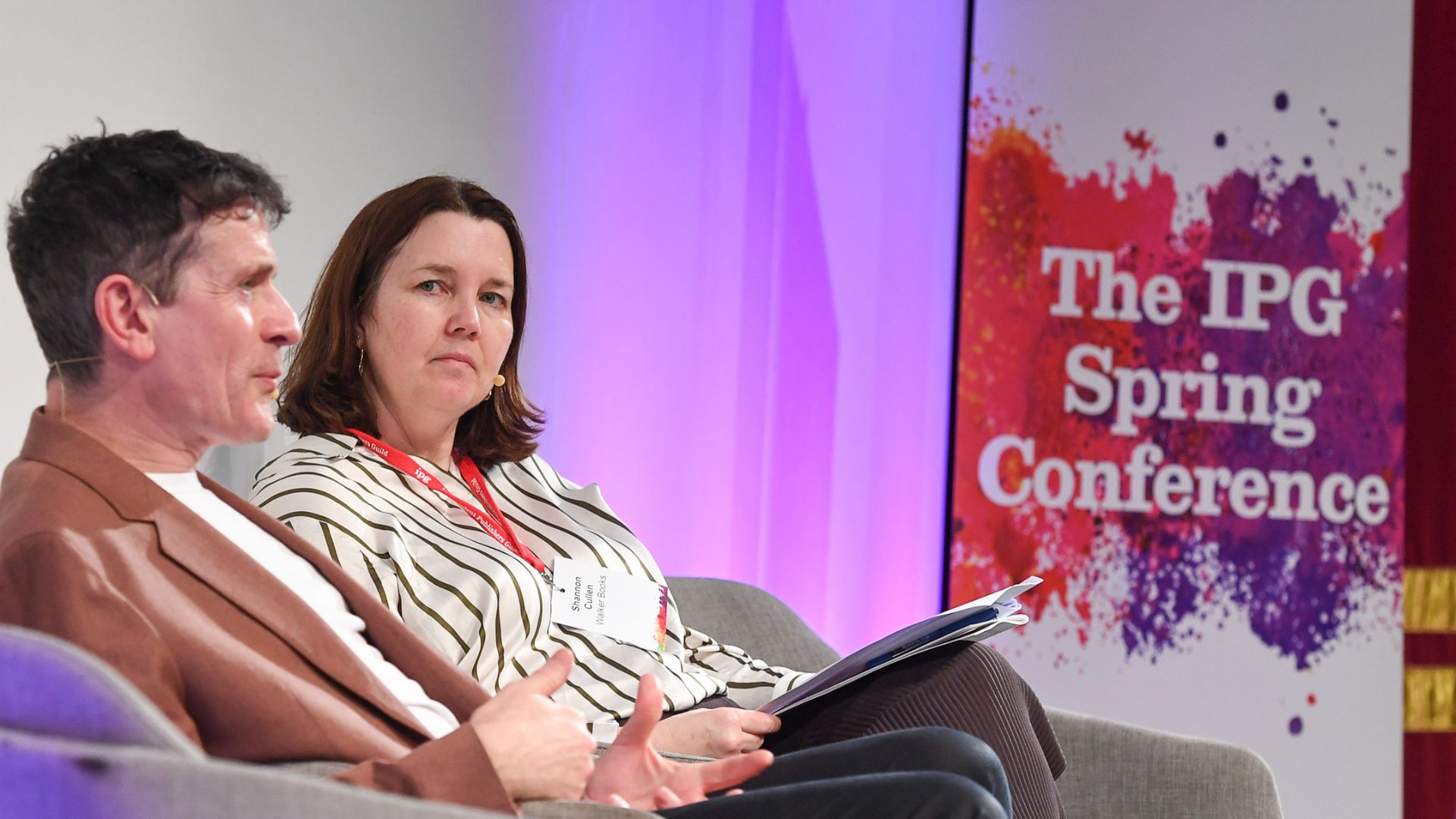
Building readership, as well as safeguarding trust in books, in an era of creator-led media and information overload emerged as central themes at the IPG 2026 Spring Conference, which focused on “The Business of Reading”.
Katie Razzall, culture and media editor at BBC News and co-presenter of Radio 4’s The Media Show, addressed the creator economy – the monetisation of “person-led media”. “Publishers have always known this: information is important, but so is who you get it from,” she said, “and that is heading away from institutions and towards individuals.” This shift is leading audiences, particularly younger people who “don’t trust the gatekeepers”, to seek out information from individual creators.
In a challenging market, publishing non-fiction that is rigorously researched and credible is key to ensuring that readers do not “lose trust” in books and print media. “In some of the stories I’ve done about non-fiction books, I’ve been surprised by the fact that there didn’t seem to be as much fact-checking of that work and due diligence around it as we would do in news journalism,” Razzall said. “In a sense, you are trusting your author – that what they’re writing is factually accurate and true.”
She added: “In a world where we all have to be so careful to get it right – otherwise we are going to lose trust even more than perhaps is already happening – it seems to me like that’s something that publishers need to look at.”
As audiences gravitate towards “individuals as brands”, Razzall highlighted the importance of “long-term investment in authors, not just for the few weeks of a marketing push”. “It is about creating a community of people who feel a bond with your author,” she said, “and those people now want direct relationships – a sense that they are on the inside.”
Author and former Twitter (now X) and YouTube leader Bruce Daisley echoed Razzall on the importance of investing in building author brands, noting parallels between the forces that capture attention on social media and those that bring readers to books. “The players from Manchester United are bigger than Manchester United, the members of One Direction are bigger than One Direction, because we value tone of voice,” he said, “we value authenticity, we value hearing a first person’s perspective, and they’re all the things that books deliver quite well.”
Continues...
Read More

There is an enduring “societal respect for books” and books remain at the apex of the “hierarchy” of information. “If someone tells you they’ve seen something on social media, the natural instinct is to be cautious of it or to be critical of it,” Daisley said.
The challenge for the industry is “meeting the reader where they are” and Daisley highlighted the rapidly growing prevalence and opportunities of audiobooks. “Why are there not more audio-exclusive books?” he asked. “Why are there not more attempts to sell the audio version of a book?”
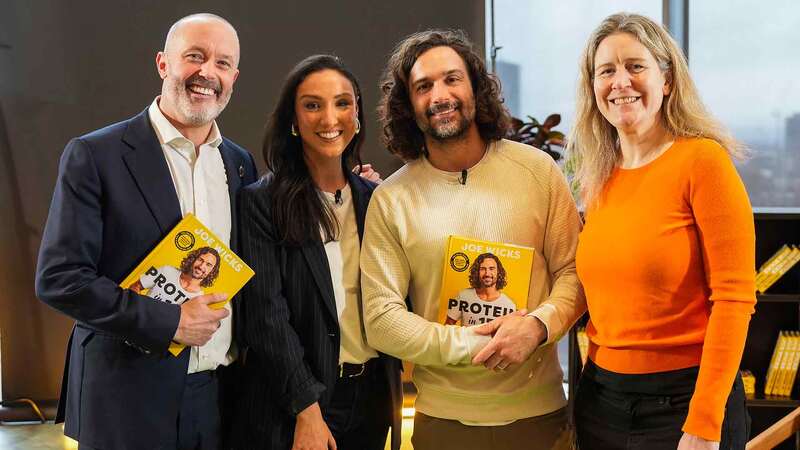
He also noted opportunities for innovation in non-fiction to keep up with “the way that non-fiction content is being consumed elsewhere”. “You start with respect and gravitas and substance,” he said. “I’d just love to see more evolution in that space, and experimentation with where non-fiction books are sold.” The former Twitter boss gave the example of selling fitness books in gyms, highlighting the possibilities to reach new audiences by selling books in “unusual places”.
Building readers that turn to books for information starts at a young age, and the conference featured a range of talks addressing literacy and the decline of reading for pleasure among children. In his keynote speech, Jonathan Douglas, chief executive of the National Literacy Trust, presented data showing only a third of children and young people aged eight to 18 enjoy reading, noting that the number of children and younger people who report enjoying reading in their free time has dropped 36% since 2005.
“This doesn’t just affect the sustainability of publishing, it affects the sustainability of the society and economy,” Douglas said. “It’s not just about growing the market: it’s about building a better society.” He encouraged publishers to share National Year of Reading resources with authors and illustrators, integrate branding into their activities and help find new campaign ambassadors and brand partners.