




You are viewing your 1 free article this month.
Sign in to make the most of your access to expert book trade coverage.
Publishers say 'mindset around short stories shifting’ as readers embrace slim fiction



Publishers are noting a shift in industry mindset around short stories as readers embrace shorter works, with a number feeling like “something is slowly shifting” and that “there’s a real excitement around stories again.”
Some suggest the trend for slimmer novels – from Natasha Brown’s Booker-longlisted Universality (Faber) to Claire Keegan’s Small Things like These (Faber) and Saou Ichikawa’s Hunchback (Penguin) – “naturally leads toward short stories”, while others have “noticed a rise in the number of customers, booksellers and librarians who are requesting short story collections or something short form”.
Sales in the Short Stories & Fiction Anthologies category have fluctuated between the years 2001 and 2025, according to TCM NielsenIQ Bookscan, between the lowest market value in 2020 of £2,806,978 (340,032 units) and the highest in 2024 – the all-time best year for short story sales – £6,738,502 (636,919 units), driven by works by Stephen King and Claire Keegan. So far, the category is down exactly a third in value in 2025 vs 2024 and only one title has sold more than 10,000 copies (Table for Two by Amor Towles; Hutchinson Heinemann), just four more than 5,000.
“The general perception in publishing is that the sales ceiling is lower, and that’s true, for now,” said Anne Meadows, publishing director at Picador – which is publishing Colm Tóibín’s short story A Long Winter as a standalone in September. “Anecdotally, I have friends who read a book a week but say they won’t read short stories because they don’t find them satisfying. It would be really exciting if that started to change. It’s also not true in all countries – there’s a greater respect for the short story in the US and Ireland, for example. In both you have a host of young writers coming up through literary magazines. I first read Sally Rooney in the Stinging Fly; and Ottessa Moshfegh in the Paris Review. We lack that cultural appreciation and support here, and with the end of The White Review it’s a challenging time for young writers trying to hone their craft.”
Continues...
Read More




However, she continued: “Since I started in publishing, there has been a real growth in younger readers coming to short story collections. When I first signed up Mariana Enriquez at Granta, it felt like short stories were mostly the passion of industry insiders. Now, I see teenagers reading her on the train. I think there’s a real excitement around stories again.”
Picador is publishing Samanta Schweblin’s new collection – acquired in a 12-way auction alongside a novel – on 28th August, as well as a debut collection from Louise Hegarty in 2026.
“The short story is an excellent place to experiment, and there’s a real appetite from readers at the moment for things that feel a little shocking, boldly new. We’ve also seen huge growth in collections of rediscovered short stories as giftable objects,” she said. “Publishing is all about conviction, and holding your nerve. Publishers have to keep backing the short story as a medium, and investing in it.”
Leah Woodburn, editor at large at Canongate, which recently published Oddbody by Rose Keating, agrees it is important to acknowledge that it is “still a relatively small slice of the overall book market” that “can be significantly skewed from year to year by big-name authors like Margaret Atwood or Stephen King” but adds “it’s a slice where there’s a lot of life and creativity at play, and one that should be celebrated in and of itself”.
“I do think we’re seeing a noticeable and encouraging openness to the form from both publishers and readers these days,” she told The Bookseller. “It feels like we can appreciate that there is a vibrant literary world out there that extends beyond the novel, and that short fiction has a valuable place within it.
“I think there is a very persistent feeling that short stories suit the way we live now. With our limited time and fractured attention spans, they make sense. Their inherent versatility means they can be read cover to cover in a few sittings, or dipped into and consumed in bitesize chunks. Readers are definitely gravitating towards shorter novels – and that trend naturally leads toward short stories.”
Woodburn continued that, for publishers, “there was a time when it was very easy to say no to short stories, especially if the writer wasn’t already established or didn’t have a novel in the pipeline”, and added: “That mindset is shifting, and the conversations we have in our acquisitions meetings are different now.” Will Dady, publisher of Renard Press, agreed. “If you’d asked what space short stories and novellas held in the market a decade ago, I would probably say they were considered uncommercial and small-press fodder – but something seems to be slowly shifting, and they’re no longer marketed in the same ’sorry it’s not a novel, but they are interconnected stories, so it’s almost as good’ way,” he said. “There’s more pride behind them.”
Continues...
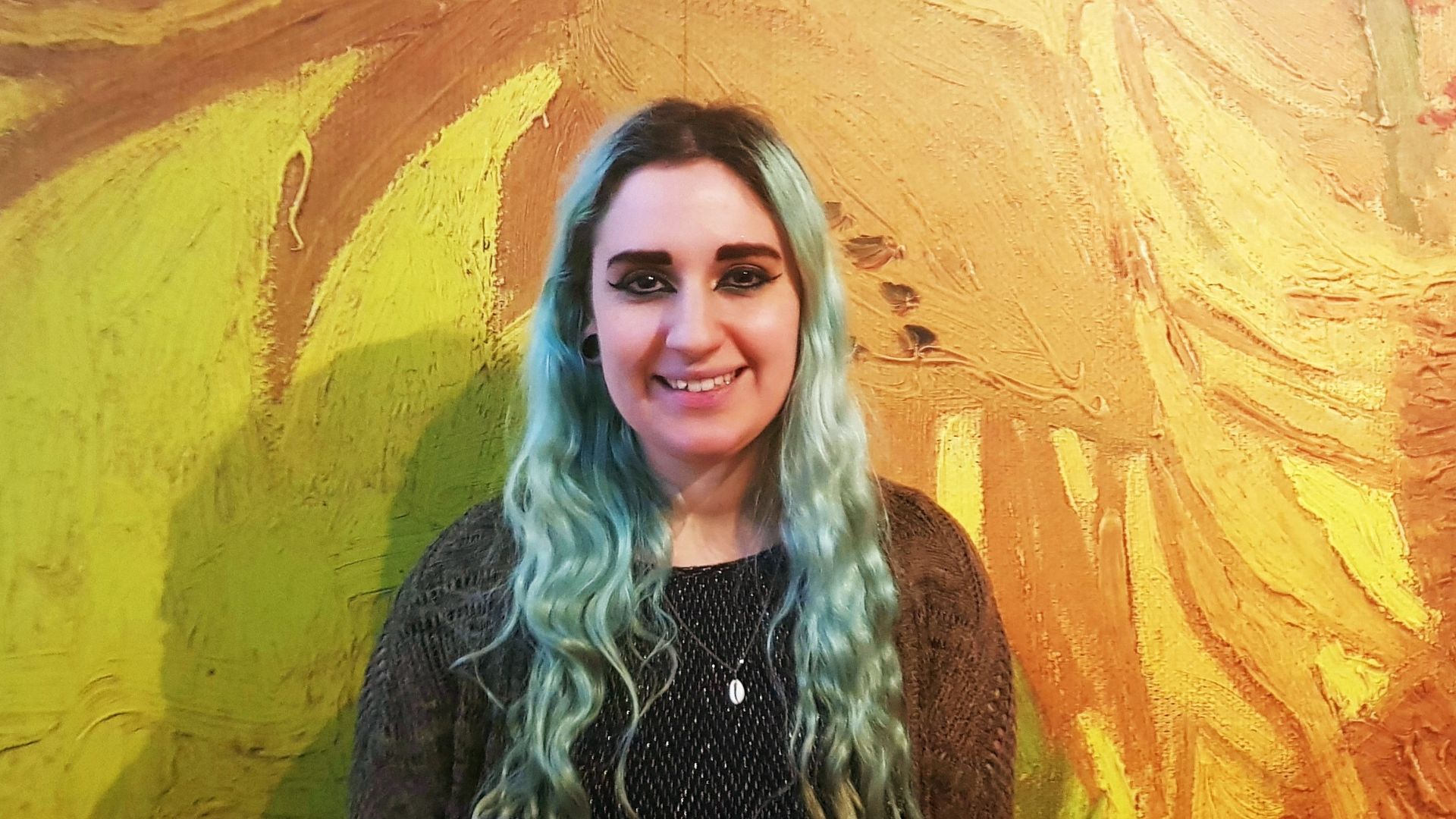
For Rob Redman, co-founder of new short fiction publisher Uncertain Stories, slimmer works have an important role in tackling the reading crisis. On why he and artist Lucy Scott launched the publisher, he said: “With reader engagement falling, we urgently need to be finding new ways to make the case for reading, and short stories are perfect for that. It’s a good time for making the case for reading short stories. Over the past few years, anthology TV shows like Black Mirror have given people an appetite for short, self-contained fiction,” he said, adding that “short stories and short books in general are perfect for online discussion, and for social media book reviewers and other content creators who need to read quickly and make regular posts. It’s telling that it was White Nights and not Crime and Punishment that went viral on BookTok last year.”
Harriet Hirshman, publishing manager at Dead Ink Books, also references anthology-style TV as a way of thinking about short stories: “With a collection, there’s the opportunity to get people excited about the genre, themes and style rather than trying to sell a single narrative that they might not necessarily engage with. Audiences can easily understand what they may get out of an anthology TV series like Black Mirror or Inside No. 9, as opposed to a feature film, and I think that we should consider marketing short story collections in this way. There’s never been a better time for ’vibes’ to be taken seriously as a major selling point.”
Continues...
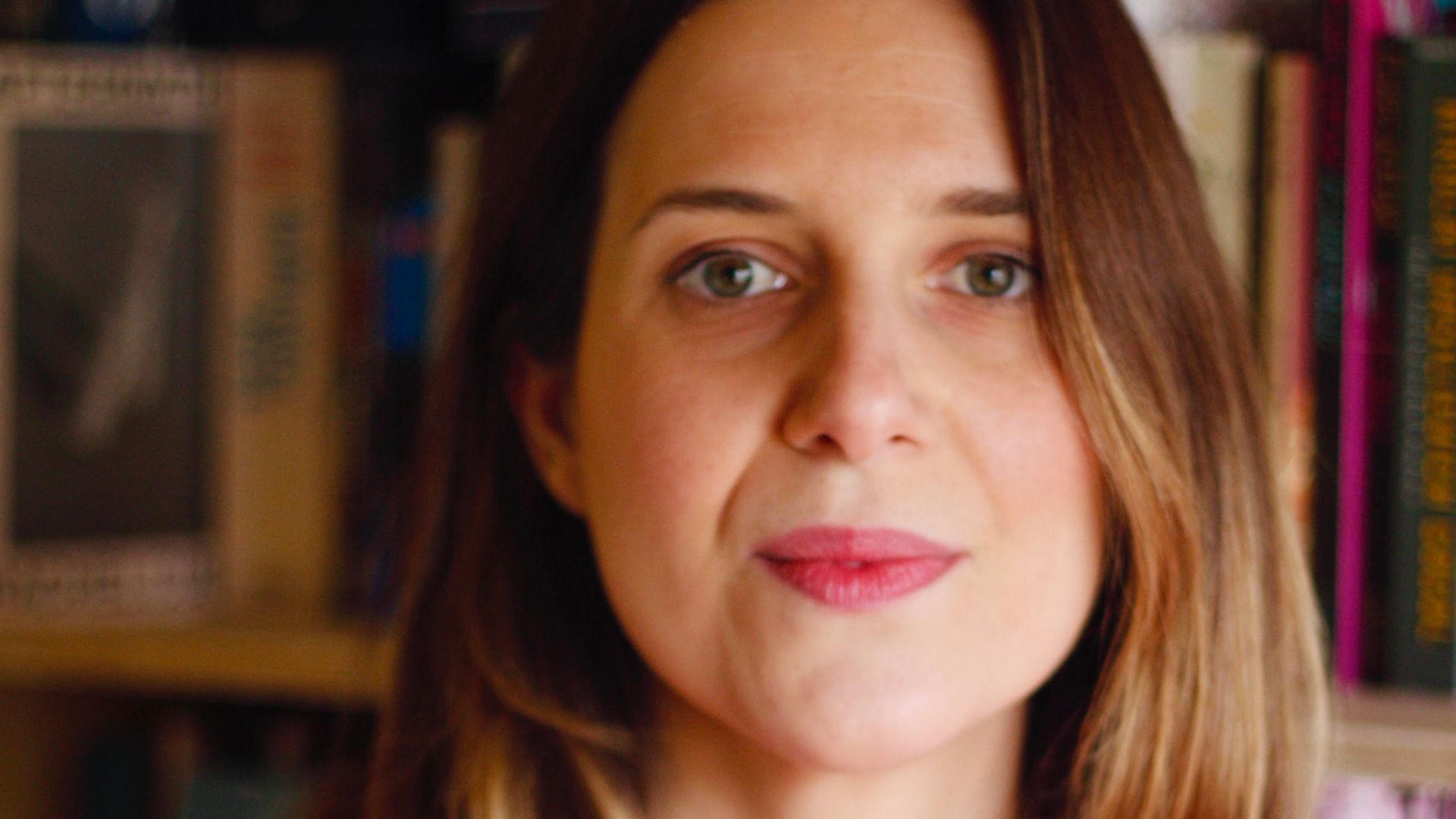
Meadows agrees that the way people read and discuss fiction is shifting, adding: “I think Substack is set to change things, too. You can get a great short story in your inbox, from a writer you admire, and in that half an hour you might have spent on Instagram you’ll encounter something genuinely meaningful and lasting.”
Redman continued: “From the point of view of encouraging reading in general, the fact that you can experiment with ways of publishing short stories makes them ideal for putting in front of people who maybe haven’t read for a while, or perhaps have never been big readers. Often lapsed readers just need a single good experience with a book to return to the fold, and a single short story can be a great way to give them that experience without asking them for a big time commitment.”
Hirshman agreed: “The gratification is swifter and more often, which certainly may be more successful in capturing shorter attention spans.”
James Keane, publisher and art director at Northodox Press, told The Bookseller: “We’ve noticed booksellers and readers have recently been searching for short-fiction collections, so there’s a serious appetite from the book-buying public” and that “we attend an awful lot of indie publisher fairs around the country and we’ve noticed a rise in the number of customers, booksellers and librarians who are requesting short story collections or something short form.”
Beth Coates, publisher at The Borough Press – that is publishing Juhea Kim’s debut collection A Love Story from the End of the World in November 2025 – acknowledged that the short story question is something “our industry has been chewing over for many years”.
In 2010, for example, a new short fiction publisher Commutabooks launched with books “designed to be read in a single commute”. But Coates said: “I can see there’s renewed focus now in terms of the well-recognised reading crisis and it’s true that short stories offer a unique opportunity in our increasingly online world – I think of the New Yorker’s viral CAT PERSON as a great example.”
Ultimately, however, regardless of whether we should expect more sales and market share in the months and years to come, short story publishers all seem to agree with Coates that “the genre should be celebrated in its own right as a beautiful art form that allows a host of writers – from our most celebrated authors to brand new emerging voices – to play and experiment with exciting ideas in an exhilarating and often surprising way.”
Additional reporting by Tom Tivnan