




You are viewing your 1 free article this month.
Sign in to make the most of your access to expert book trade coverage.
Publishers 'directly taking money from authors' pockets' in audio negotiations, FutureBook hears


Publishers have been blasted for "directly taking money from authors' pockets" when it comes to audio, both by sitting on audio rights and for paying "pitiful" royalties to authors on audiobook sales.
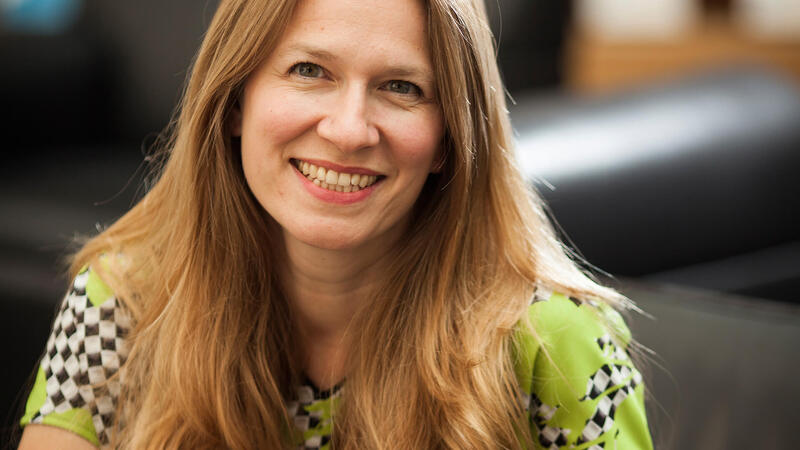
Continuing the debate as to whether it is right for publishers to insist on bundling audiobook rights in with print book deals in a session at FuturebookLive 2018, Curtis Brown literary agent Cathryn Summerhayes called it "totally unacceptable" for publishers to be sitting on such rights in the current market environment. Of all book formats, only audio has enjoyed consistent and unambiguous growth over the past seven years, and it is also attracting new readers (particularly young men). Statistics from Nielsen cited in the session show a rise in consumer spend in the UK from £84m in 2015 to £114m in 2017.
Pulling no punches, Summerhayes accused publishers of often having no plans and "no vision" for how or when to publish audiobooks despite insisting on acquiring the rights when striking print deals. Refering to one independent publisher who said they hoped to produce audio editions for one in every five books they acquire, she asked, "Why acquire if not to produce?". In many cases, rather than being able to capitalise on this rapidly growing market, authors are subsequently missing out on "substantial advances" from audio publishers for rights that print publishers had no plans to exploit, she argued.
Although conceding publishers are making more of an effort, she said there were a number of issues that remain and are "worrying" about the current situation. Three key gripes were aired:
The first troubling fact, Summerhayes observed, is that authors are still receiving "tiny" amounts of money in royalties for their audio sales, sometimes of less than 5%. Particularly when authors are expected to record audiobooks, for an entire week in some instances and for no additional fee, she said this was "pitiful". "If we as agents cannot recommend a deal to an author, we are doing them a disservice; authors are not stupid, they want to be paid properly for what they do. If audio sales are going up, they should be making more money," she said.
Secondly, she lamented that, in her experience, even when audio has been recorded and made available, publishers were "almost without fail" doing "little or nothing" to actively promote or use audio in their marketing and publicity plans. Summerhayes despaired: "There really is a sense of 'oh gosh, hasn't audio done well despite us doing nothing!', instead of a very concerted plan to reach new buyers of books who would actually prefer audio over print."
Thirdly, when it comes to rights squatting, Summerhayes said the situation was even worse for backlist titles. "We're seeing substantial - sometimes very substantial - offers for authors' audio backlists from audio publishers who are willing to put marketing spend behind it ... yet we're being told 'no' time and again by print publishers who are unwilling to revert the rights despite having no plans to produce their own version," she said.
"This is directly taking money from authors' pockets," Summerhayes rounded. "The historical and continued insistence by almost all big publishers to acquire audio rights for term of copyright is locking up these books up in a lead box and throwing away the key. It is totally unacceptable in a publishing environment that is desperate to attract new readers."
The topic of print publishers' "audio rights grab" was contentious at last year's conference also, when Alice Lutyens spoke out that publishing houses should not be pressuring authors to give up the "precious" rights. Agents are now trying to get reversion "use it or lose it" clauses built into authors' contracts.