



Community, conversation and clarion call: inside Bookbanks' mission to bring books to those in need


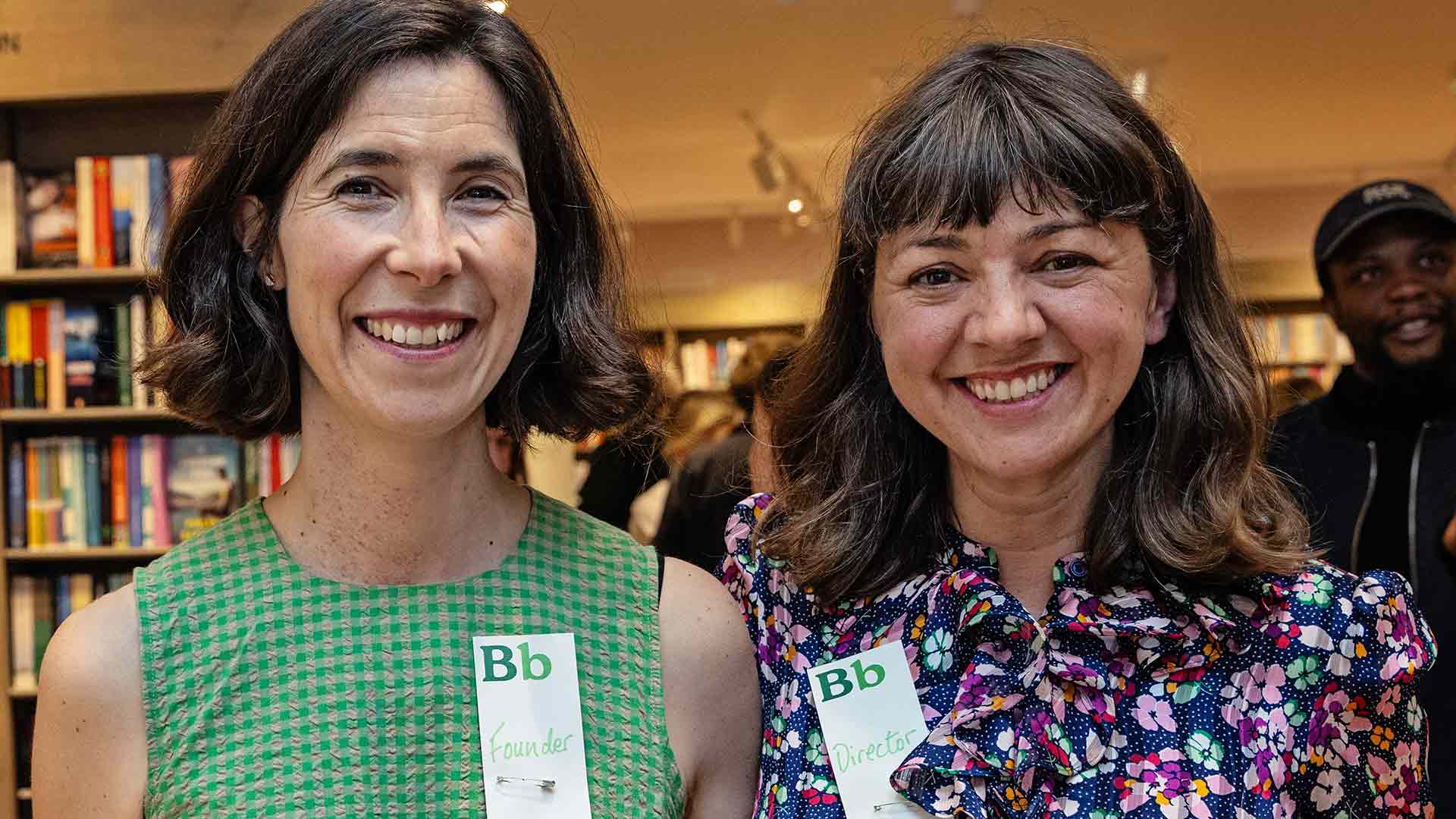
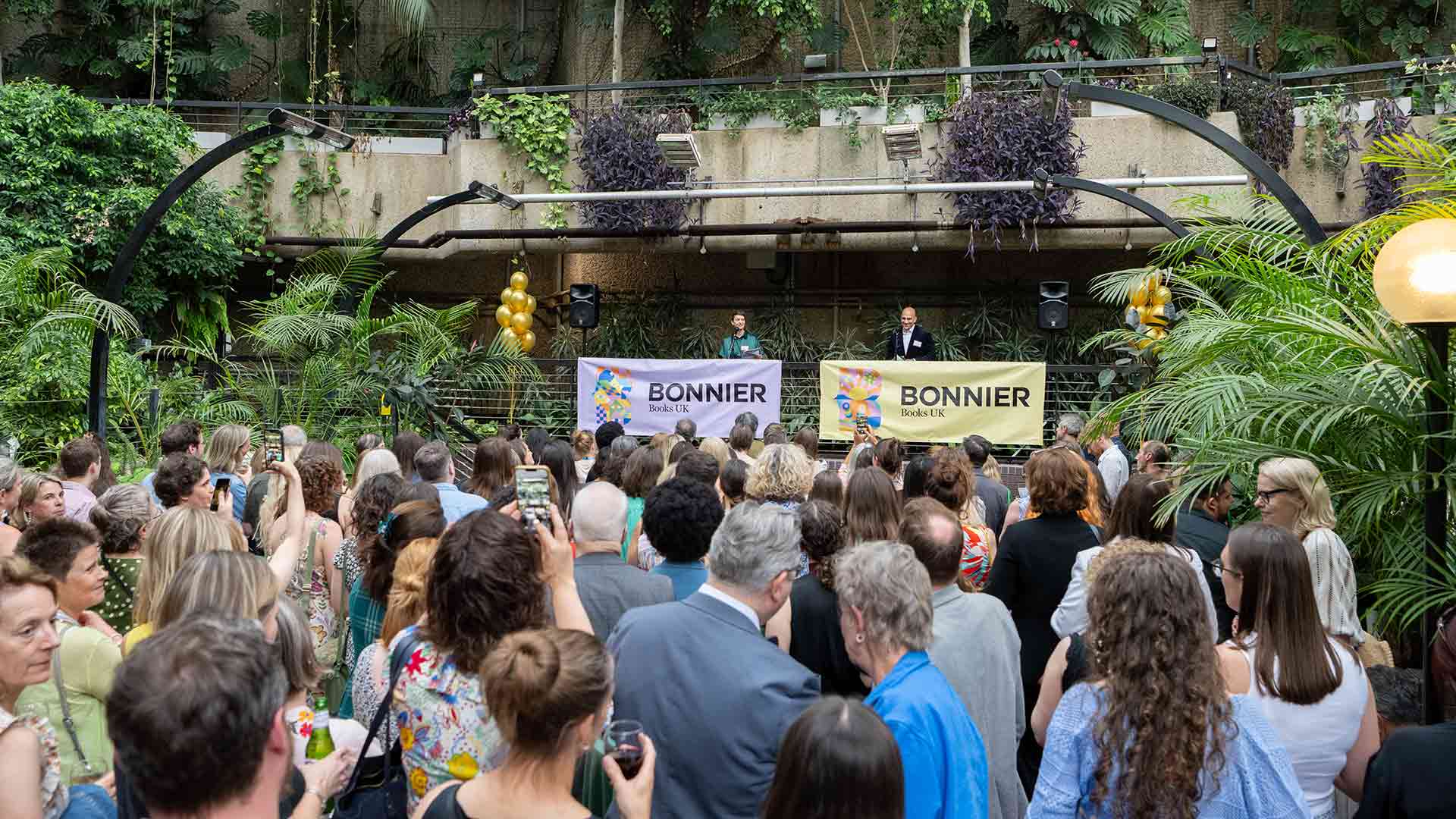
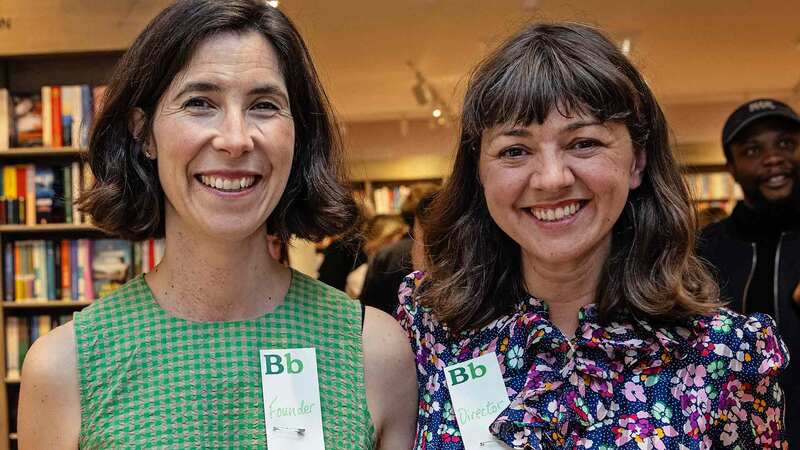
“It saved my life.” These were the words of a man at the Bookbanks launch in 2024. He was a guest – a term founding director Emily Rhodes and director Hattie Garlick use to describe the people who use Bookbanks – who had begun taking the books on offer at the Dalston branch.
Bookbanks is a charity that collaborates with food banks to bring free books to people, aiming to transform the experience of going to a food bank and give guests the opportunity to engage in meaningful, stimulating conversation. “We realised that what really matters as much as the books is that space in which we encourage people to really explore and value their inner worlds,” says Garlick.
Former bookseller Rhodes adds: “My biggest challenge has been trying to communicate clearly to people about what we’re actually doing… We’re transforming the experience of accessing a food bank and really recognising the human in someone who’s accessing a food bank… That is where the change can really happen. Then these books are taken and go into these homes and continue their journey.”
From July, there will be 11 Bookbanks hubs operating across England – four of which are in London. Each is manned by 10 trained volunteers who work the stand on a rotating schedule. The volunteers all have bookish backgrounds and are trained in bookselling and safeguarding before they can begin. “Everyone has to know about safeguarding so that they feel safe and the guests feel safe as we are dealing with vulnerable people,” explains Rhodes. “That felt like a non-negotiable. And then because I have all this experience as a bookseller, I’d seen firsthand how bookshops, and the effect of a having a really special curated space, can create and build community. That felt really crucial – to bring that bookshop feeling into the food bank.”
Their busiest location, and “the third busiest Trussell food bank in the UK”, says Rhodes, is in Euston, London. “There’s such a high demand,” continues Rhodes. Food is given out from 12pm, but people are queuing from 9am. “They’re waiting for three hours before they then have to wait for their food parcels.” Having the Bookbank stall in this space alleviates the stress and stigma associated with queuing and going to a foodbank. “There’s so much research showing that food banks do this vital and heroic work,” says Garlick. “The stigma attached to visiting one is real for a lot of people and there’s a lot of research indicating the impact that has one people’s self-esteem and wellbeing… Having someone there you can chat to, to be enthusiastic and value that conversation and your thoughts can have a really positive impact.”
Rhodes and Garlick met during their A-levels and serendipity brought them back together. While Rhodes was volunteering at her local London food bank in Dalston, Garlick was doing the same in Wymondham, Norfolk, which are the first Bookbanks sites in the UK. “We got to test the concept in very different communities,” explains Garlick. “I think, for me, that was really exciting because we realised the success of this model. It doesn’t just work in one community, it works all over the place.” Rhodes agrees: “We saw from the outset that food banks are a national thing, and book ownership is a national problem… It was built into the DNA of the charity. This had to work everywhere.”
Importantly, the books on offer should be in really good condition, if not new. Rhodes and Garlick want each hub to feel like a bookshop with curated stock, knowledgeable ‘booksellers’ and that touch of je ne sais quoi that makes a bookshop feel special. “This has been one of the most surprising elements for me that might seem frivolous, which is the presentation of the store, the presentation of the books,” says Garlick. “The aesthetics of it are incredibly important. We want people to feel like they’ve walked into a bookshop.”
This is where something simple, such as a gift bag, has a profound impact. One volunteer “kindly sourced loads of very colourful gift bags and everyone loved them becaue they made the books extra special”, recalls Rhodes. Although they do not have the budget to provide gift bags all the time, Rhodes and Garlick have “got a load” for the first week of the school summer holidays “so that whenever anybody gets a children’s book, we can put it in a nice bag and then can go home and give it to their kids and it will feel like a special thing”.
Continues…
Read More

The charity is not only about improving access to books and the experience of going to a food bank, but it is also about showing their guests the wider book community available to them and breaking down the invisible barriers associated with going to bookshops, events and the library. Although many of guests go to the library, many others “might not use the library [because they] might feel it’s not for them or they don’t quite know where it is or they’re confused about having a fixed address”, explains Rhodes.
To combat this, each Bookbanks site is partnered with the local library, and the librarians are invited to visit every two months. Library events are advertised in “our store” and there are “meet your librarian sessions” where librarians can issue library cards to the guests. “It’s really this supportive cross-pollination of bookish communities,” adds Garlick.
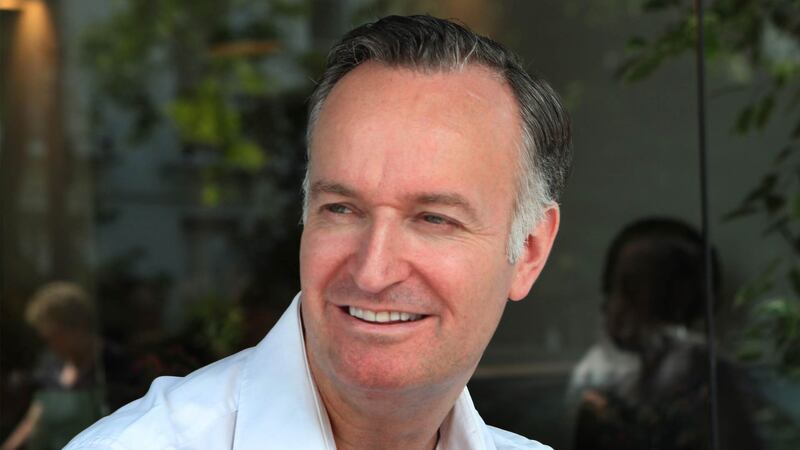
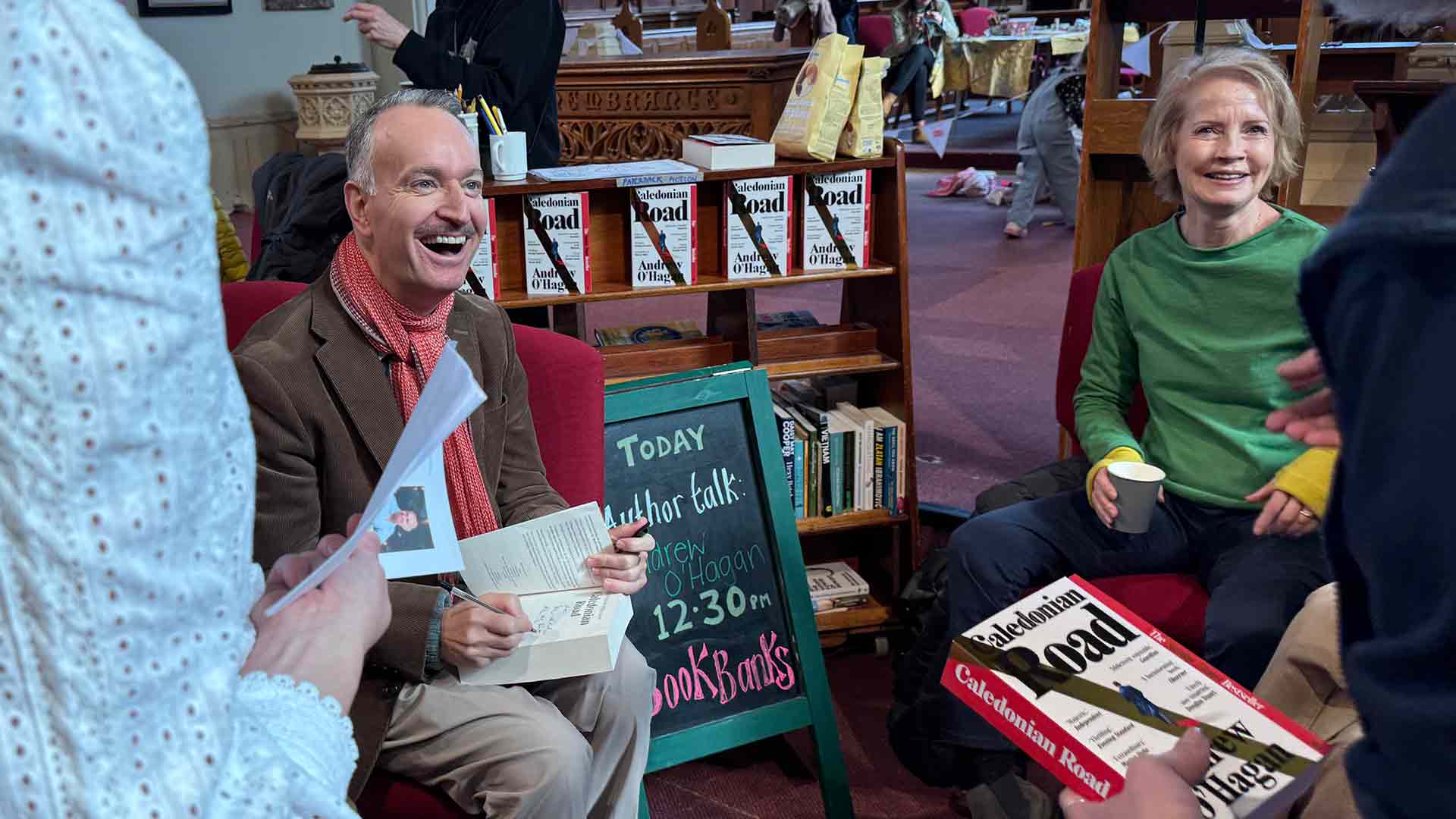
Bookbanks counts novelists Andrew O’Hagan and Kit de Waal among its ambassadors and hosts author events, an idea that came about when Rhodes was “given all these comp tickets to a local literary festival and I went round the food bank, talking to every single guest saying, ‘Which one would you like to come to?’ Nobody would come to anything. They all just said, ‘They’re not for me.’”
Garlick expands: “It’s a bit like if you visit the theatre for the first time and you’re worried. You know, there are all these rules about when to clap, when you’re allowed to get up and go to the loo. All this stuff that is a barrier. The idea that we could bring the event into the [Bookbanks] space and make it familiar.” The hope is that guests will become more confident and explore events outside of Bookbanks. “I would love down the line to be working more on not just getting people into the libraries but getting them into the bookshops, getting them to book festivals,” adds Rhodes.
One moment that has stayed with Garlick is the first event – a writing workshop – held at Bookbanks, Wymondham with writer and founder of independent publisher Indie Novella, Damien Mosley. “We had never tried a live event in Norfolk before, so we couldn’t be completely sure that the concept would chime with the community or – in truth – that anyone would come. In the end, it was wonderful. Lots of our guests stopped, stayed, chatted for hours and created brilliant fictional characters of their own using Damien’s worksheets and prompts. At the end, one guest shared that he’d been struggling with agoraphobia and this was the first social situation he had enjoyed in a long time. I knew then that there was something incredibly powerful going on.”
The Bookbanks team distribute 400 books a week and require a steady stream of both regular and one-off donations to ensure their stores are stocked. By 2030, they aim to be in 30 locations and need to fundraise £220,000 to do so. Alongside the food and toiletries essentials needed to preserve the dignity and strength of the physical body, Bookbanks offers an equally vital resource, nourishment for the mind. A book is essential. It is essential in bringing together families and communities, promoting confidence and helping people to not only survive, but thrive. In any year Bookbanks’ mission is important, but this year, the National Year of Reading, the spotlight is on books and reading. Bookbanks’ mission is a clarion call for all to support access not only to books, but the community that comes alongside reading.