




You are viewing your 1 free article this month.
Sign in to make the most of your access to expert book trade coverage.
Black British Book Festival born from 'frustration and vision' enters fifth year


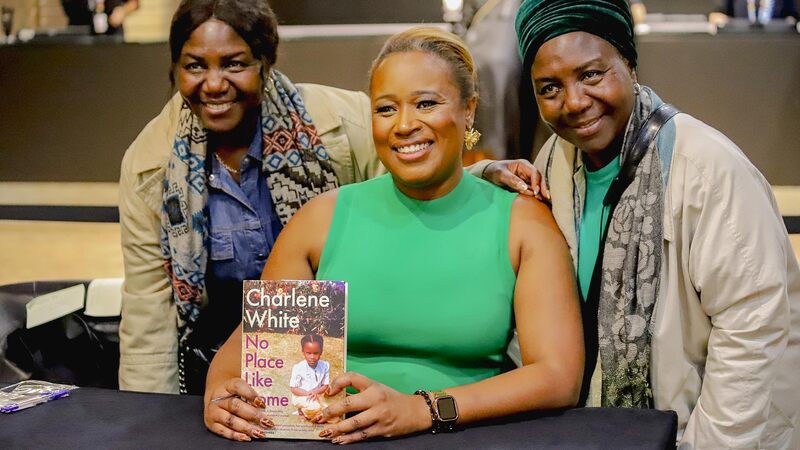
The Black British Book Festival is returning for its fifth year on 19th October 2025 at the Barbican Centre in London, and has gone from strength to strength since its inception.
Founder Selina Brown said the event was born "from both frustration and vision" after she was told that her book would not sell because there was a Black girl on the cover. She launched the festival in 2021 to build a lasting space for Black authors. Now, in the festival’s fifth year, it has grown from a one-day event in a single city into three major festivals, each in different cities across the UK.
"There’s more visibility now and some high-profile successes, but the core challenges remain. Access to industry networks is still limited, and too many writers are steered into trauma-led narratives," Brown told The Bookseller. "For Black professionals in publishing, progression into senior, budget-controlling roles is still rare. Until more Black people are making key editorial and financial decisions, progress will remain fragile and inconsistent."
Brown added that she has since seen debut authors who have secured national press, strong sales and opportunities after they have been spotlighted at the festival. While this is a positive step in the right direction, more often than not, Brown continued, it is a slow build to success that needs community support, resilience and persistence.
She added: "Writers like Bolu Babalola, Caleb Femi and Jeffrey Boakye are making a deep cultural impact, but often in spite of the existing infrastructure, not because of it. Diverse books need tailored marketing and sustained investment, and too often publishers don’t commit to that. Success in this space usually takes time, grit and the right champions."
Last year, the Publishers Association (PA) released a report suggesting that "ethnic minority" representation across the industry had decreased by 2% in 2024, from 17% to 15%, with only 3% identifying as Black, Black British, Caribbean or African, a figure that has stayed consistent since 2017. For those working to improve representation, like Brown, these numbers are both a challenge and a call to action.
It is not just BBBF leading the way. Jacaranda Books is a Black-owned, women-led publishing house whose goal is to create spaces on the bookshelves for diverse, black author literature and to support those authors on their journey in telling their stories. In 2020, it launched an initiative to publish 20 Black British writers in the same year, a feat that had never been achieved before by a publisher. Many of the Black writers published were debut authors.
Continues…
Read More
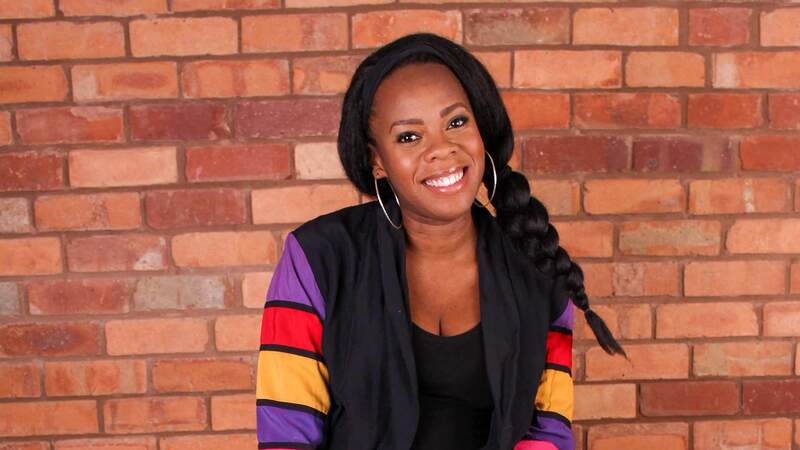
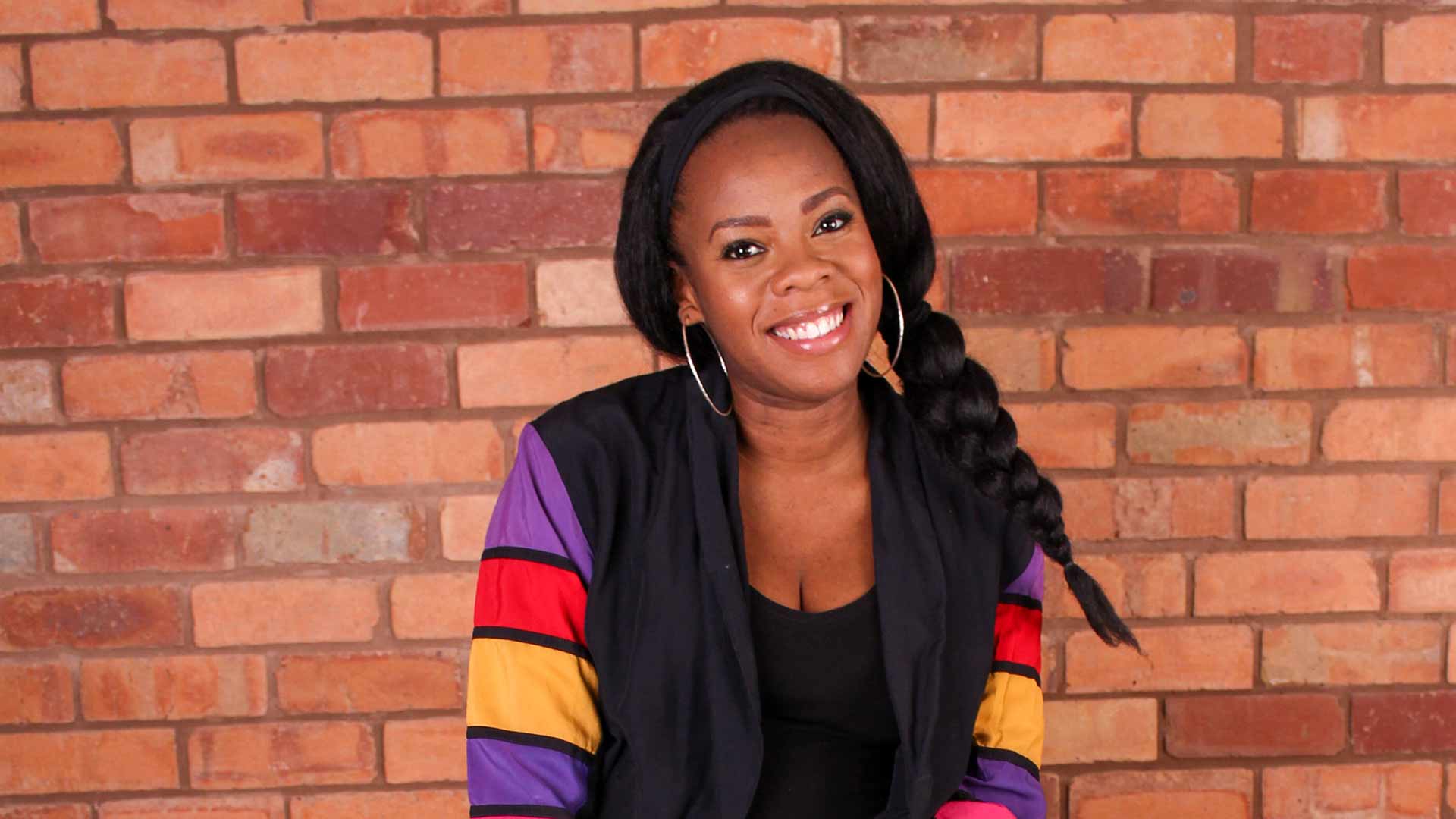
Niki Igbaroola, campaigns manager at Jacaranda Books, said: "I think if we look at bookshops and booksellers at the moment and we look at lists for awards and prizes, we can use that to scope an understanding of what is really happening in the industry. How much are we, particularly Black British authorship, being published, celebrated, championed and marketed? I think there definitely seems to be less of it."
It is not just in the traditional publishing space that the future of Black British publishing is being discussed and considered, as social media increasingly influences reading habits.
Bookstagrammer and reviewer Bukola Akinyemi champions her support of authors of colour through her social media posts, attending and occasionally hosting book clubs, including the Candid Book Club, which is run by five women of colour.
"I use my platforms mainly to promote Black authors, even though I read all sorts," she said. "The main reason is that I’ve read some really, really good books by Black authors and I don’t see them promoted enough."
Akinyemi believes the lack of visibility is just as pressing as the number of books published, a topic she thinks has "had enough justice", saying the small number of books being published is now "a given". What stands out the most to her are the hidden titles she often comes across, which she considers excellent but believes have been released with little marketing support and feels they deserve far wider recognition.
Brown said that in order to grow Black British publishing, authors shouldn’t "feel confined to what the industry expects" and they should "find your people – build a network of writers, editors and platforms that truly see you".
She added: "Your joy, love stories, fantasies and everyday narratives are just as important as stories of struggle. And keep going. Publishing is a long game. Visibility and relationships often lead to opportunities, so put yourself in the spaces where those doors can open. The world needs your story."