





You are viewing your 1 free article this month.
Sign in to make the most of your access to expert book trade coverage.
Potter More: Full-cast Harry Potter audiobooks unprecedented in scale of production
With the first instalment of the new Harry Potter full-cast audio editions having landed, and the second due imminently, Nathan Hull speaks to the co-creators at Pottermore and Audible to understand what a gargantuan undertaking this project has been


With a cast of hundreds, fully scored, incredibly soundscaped and all in Dolby Atmos, these new super-audio iterations of the Harry Potter series are unlike any recordings ever presented to our ears before – and their creation is unparalleled in their complexity.
Aurelie de Troyer, Audible’s head of regional content, Europe, describes the project succinctly as “the most complex, multifaceted and ambitious that Audible has ever undertaken”.
The seven titles in the Harry Potter canon will have been two and a half years in the making when they conclude next year. Four hundred recording sessions, needing over 500 character voices cast from over 1,000 regional auditions, all culminating in over 130 hours of finished audio are abnormal statistics in audio production. “That’s the equivalent of making 50 feature films at the same time,” remarks a deadpan Anna Hutton, Pottermore’s executive producer and project director.
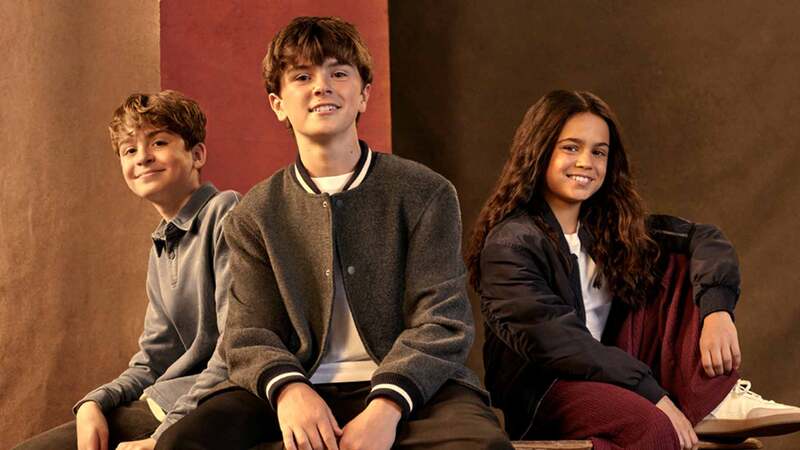
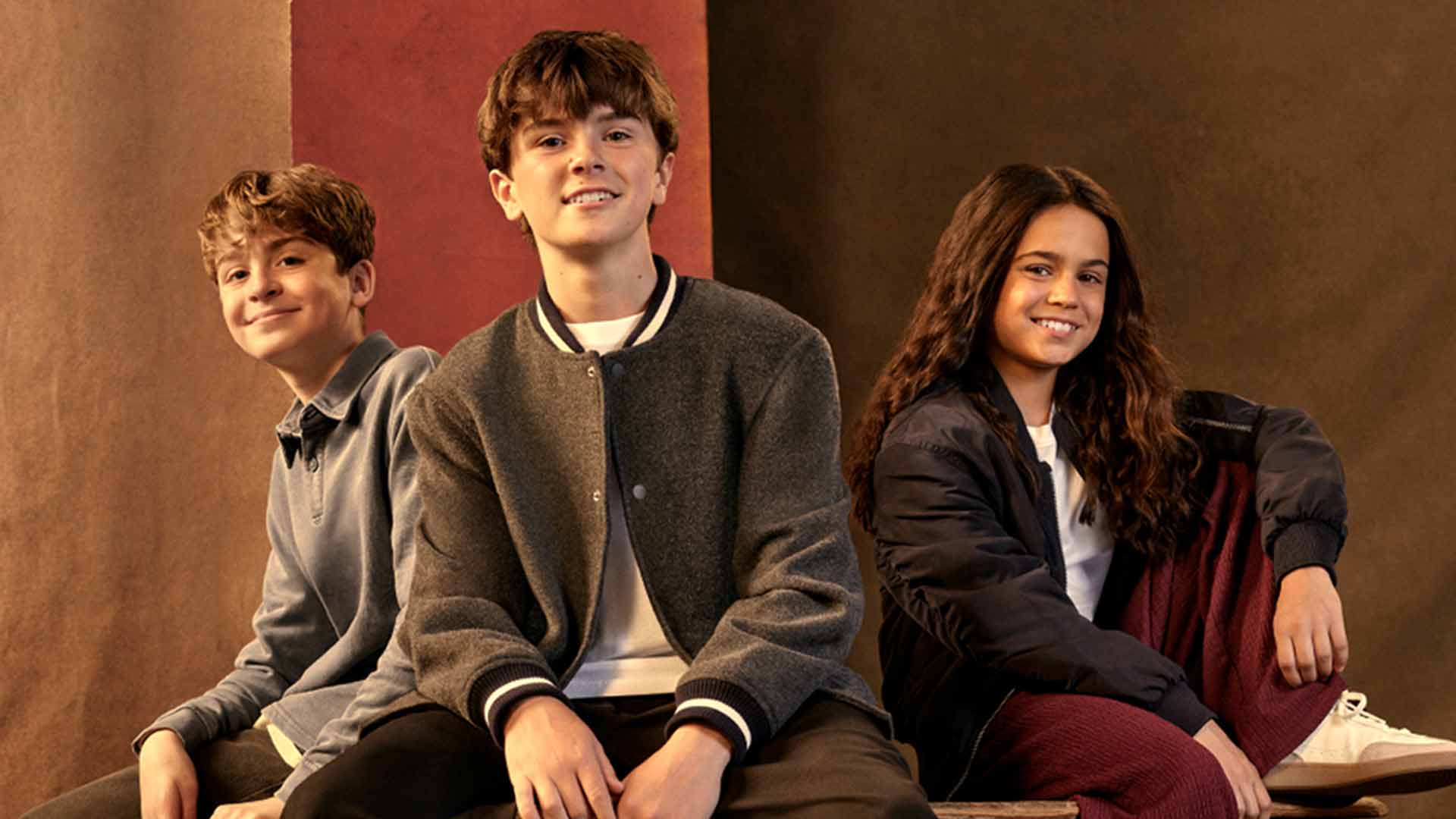
The casting process alone for a project of this scale is barely comprehensible. Hutton explains: “For the casting of the younger actors, we wanted to spread the net as widely as we could. We also had to cast for two sets of young Harry, Ron and Hermione – older and younger, as we were recording all the books together and didn’t have the luxury of the kids ageing up over time, as the films did back in the day, so we split the cast between books one to three and then four to seven.” Chris Jones, Audible’s senior director of productions, expands: “Ultimately, we cast 95 children in 130 roles. For adult roles, we sought actors who could bring both star power and genuine vocal artistry to these iconic characters. The goal was to find performers who could honour the characters fans know and love while bringing their own interpretation to the roles.”
Alongside the new child actors, the cast of established talent is as incredible as you would expect. Jones enthuses: “Hugh Laurie is the perfect Dumbledore, Matthew Macfadyen is chilling as Voldemort, Riz Ahmed delivers a layered performance as Snape, and Michelle Gomez brilliantly brings Professor McGonagall to life. In supporting roles, Keira Knightley strikes fear in our hearts as the devious Professor Umbridge, Kit Harington adds levity as the hilariously pompous Gilderoy Lockhart and Mark Addy booms out Hagrid’s iconic lines with fierceness and humanity.”
We’re seeing increased appetite for more immersive, theatrical audio experiences, particularly among younger audiences who grew up with multimedia entertainment.
Aurelie de Troyer, Audible
With such an expansive cast and an unparalleled number of recording sessions in multiple studios across multiple countries, the project at hand was like no other audiobook undertaking, requiring a non-linear and more agile approach. Working alongside numerous third-party production experts, across casting, music and sound design development, through to recording, post production and marketing, this project has truly seen unprecedented levels of collaboration and co-operation.
Hutton explains: “I don’t think anyone quite anticipated the practicalities and challenges of making a production this size. But it’s a testament to the fantastic creatives and technical teams we’ve had working on this. There was no blueprint for producing this scale of audio creative, so we’ve had to learn and pivot throughout the production process, but it’s been such a collaborative and iterative way of working between the Pottermore and Audible production teams and partners, that we’ve enabled everyone to challenge each other creatively and learn, the whole way.”
Jones adds: “The logistics were enormous. We had over 400 recording sessions, spanning multiple studios and countries. Maintaining character continuity when you have actors recording at different times and locations requires incredibly detailed preparation – voice coaching, character notes, reference recordings. We also had to ensure the audio signatures matched across different studios. When you’re creating something that will span 130 hours of content, every technical detail matters.”
The new recordings remain completely unabridged and faithful to the original texts. But unlike the already mega-successful straight narration editions by Stephen Fry and Jim Dale, these full-cast audio editions also feature full musical scores (including by some superstar names still to be revealed), environmental soundscapes and are enhanced by the Dolby Atmos experience.
Hutton explains: “For me, these are the key ingredients that set this apart from other audiobooks. The wonderful text and dialogue is always the foundation on which we build, and it’s the creative audio details that enhance the colours in your imagination and make it feel like an HD experience. The beauty and darkness of the world JK Rowling created is all there on the page, but it’s the creative choices we’ve made with sound design, music, foley and more, that enhance those words and take it to the next level for the listener.”
Continues…

Jones enthuses: “Dolby Atmos spatial audio technology allows us to create a three-dimensional soundscape where listeners can pinpoint exactly where sounds are coming from. When you hear footsteps echoing down corridors or the Golden Snitch whizzing past your ear, you’re not just listening to a story – you’re inhabiting it. It creates an unprecedented level of immersion. This is for anyone who appreciates what audio storytelling can be at its absolute peak.”
But why now? “We’re seeing increased appetite for more immersive, theatrical audio experiences, particularly among younger audiences who grew up with multimedia entertainment. They want experiences that rival what they get from prestige television or major film productions,” explains de Troyer.
The original English-language recordings by Fry and Dale have amassed a staggering 1.8 billion listening hours and will sit available side-by-side, complementing the new full-cast editions. The audience for Harry Potter is seemingly never-ending and the enthusiasm runs deeps. Hutton explains: “Each edition offers something different for people, depending on how, when and where they want to listen to the stories. The full-cast editions offer a really immersive, ‘lean in’ experience, with incredible detail in sound design, an amazing cast of voices and specially created music, so it’s an experience that you really want to take time to sit with, in order to experience fully – it’s more akin to a movie.” She continues: “There’s definitely something for everyone now, particularly younger listeners who could be experiencing Harry Potter for the first time.” De Troyer adds: “We are expecting that listeners will enjoy diving into all versions, and multiple times too. We’re creating a new way to experience these beloved stories without changing them.”
Concluding her thoughts, Hutton states proudly, “We wanted these recordings to hopefully change the audiobook landscape and stand the test of time, and I think we’ve achieved that.”
The customer reviews are in (140,000 of them and counting) and they are overwhelmingly positive. The timing of the release of these titles is calculated and spot-on. The market maturity is there and with the growth of the audiobook format and the continued popularity of listenable content in the podcast world, listeners’ expectations are high. In these new super recordings are we looking at the future of audio entertainment as we know it or is this the domain of the few? The stars perfectly aligning between a mega IP, one of the world’s biggest audio platforms and a no-expense-spared approach may not happen again but these recordings should act as an inspiration, a rich lesson in the creative opportunities at hand. The aim of publishers should not be to replicate but to be motivated, to be curious about the wider possibilities in sound, to explore co-production opportunities and be attentive to the changing listener expectations of what they want today and what they will want from an audio experience in the future.