




Ghostwriters to the fore: why authors behind the names are coming out of the shadows
A shifting landscape means more recognition may be on the way for celebrities’ secret, and sometimes not so secret, co-writers


Haunting every bookshop’s bestsellers table is an open secret: ghostwriters. It might be a top footballer’s memoir, an actor’s debut novel or a pop star’s middle-grade romcom, but the words inside have been penned by someone else. So, what is it like to live in this secret world?
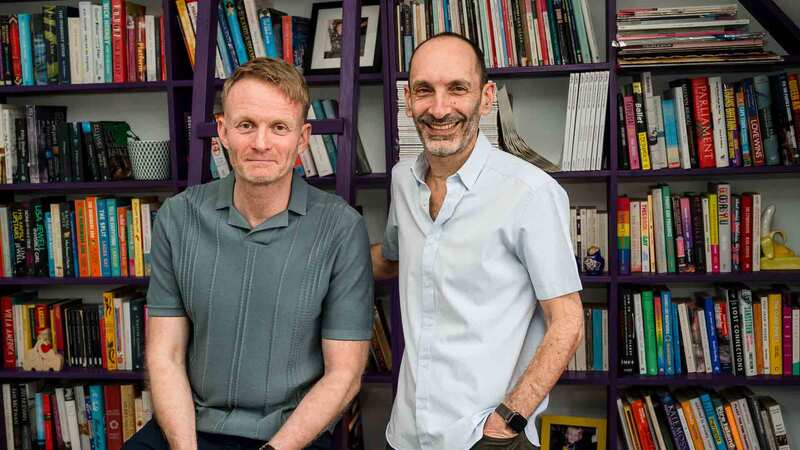
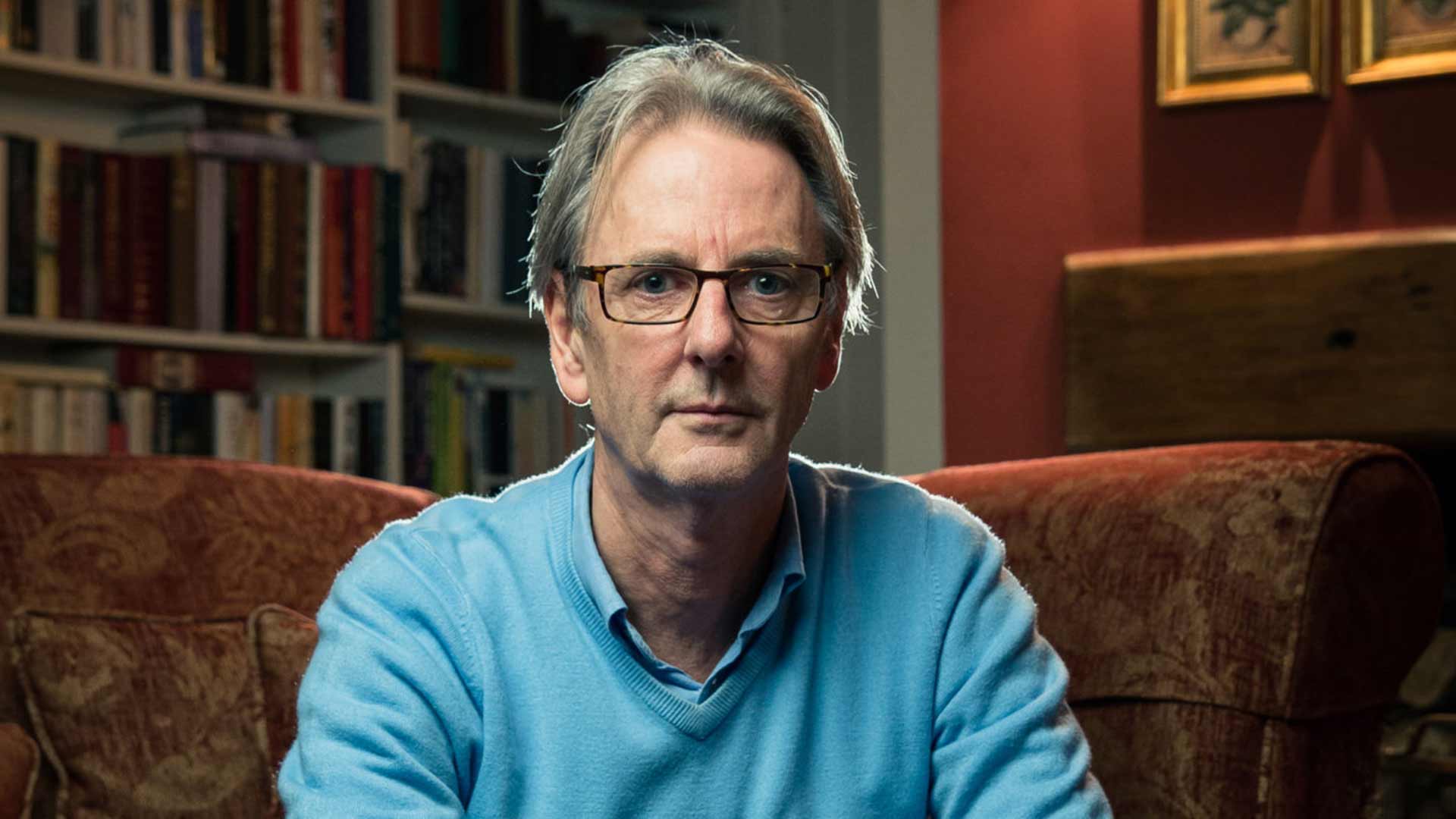
Andrew Crofts is one of these ghostwriters. He has written more than 100 books, and his own memoir about the craft (2014’s Confessions of a Ghostwriter) even became source material for Robert Harris’ novel The Ghost. Crofts has spent his professional life questioning people who intrigue him – presidents of African countries, sheikhs and women who work in brothels. He says: “You get to hang out with them and really hear their story in depth, not like a journalist who might have one or two hours.”
Crofts believes he was the first person in the UK openly to call themselves a ghostwriter. He started by taking out classified adverts in magazines (including The Bookseller), declaring: “Ghostwriter for hire.” Eventually he was contacted. One of his first outings was Zana Muhsen’s Sold: A Story of Modern Day Slavery (Little, Brown), the Birmingham native’s harrowing experience of being trafficked as a child bride to a man in Yemen by her father. The book was a huge hit on publication in 1992 for Little, Brown and was sold around the world, including becoming France’s biggest non-fiction title of that year.
Bestselling ghostwriter Shannon Kyle argues that her profession is vital to the trade: “Without ghostwriters, it wouldn’t be an exaggeration to say that the publishing industry would collapse. The books would not get written, and they wouldn’t get written on time.”
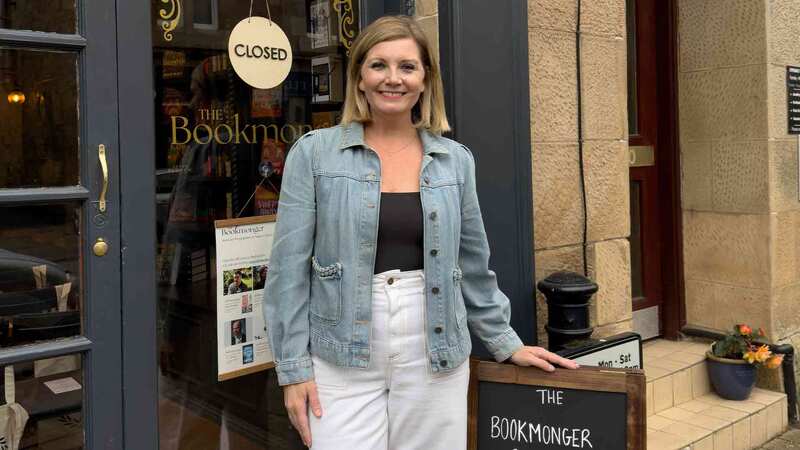
In 2023, Kyle joined with fellow ghostwriter Teena Lyons to launch The Ghostwriters Agency (GWA), which today has a network of 80 writers whom it matches with prospective authors (GWA calls those looking for a ghost ‘authors’ rather than ‘clients’).
‘In the old days publishers believed they were fooling the public into thinking David Beckham sat down in the evening after a hard day on the pitch and bashed out 3,000 words’ – ghostwriter Andrew Crofts
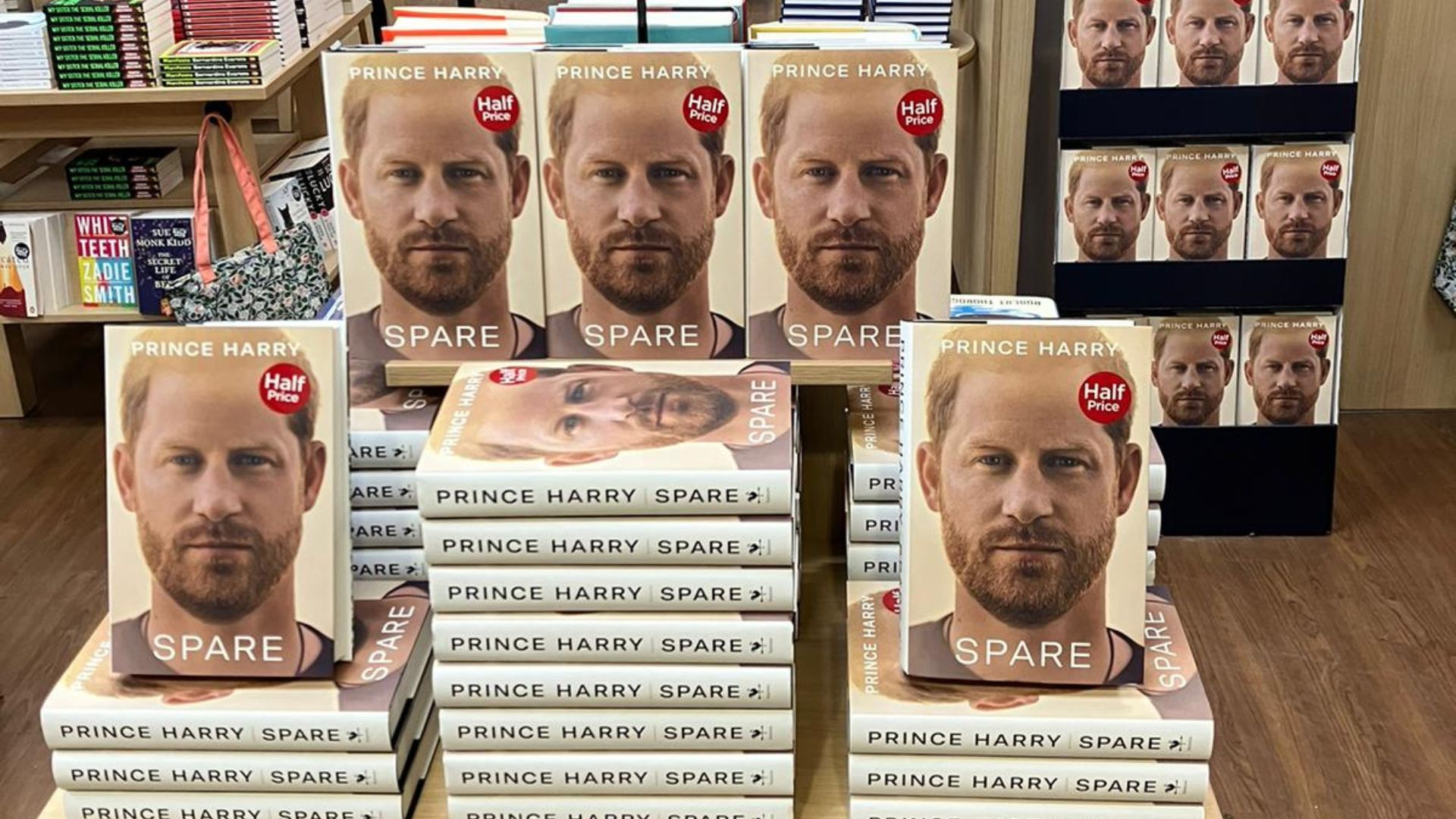
But those authors, inevitably, get the credit. Undoubtedly the bestselling global memoir of the 2020s has been Prince Harry’s Spare, but few of its millions of readers knew US Pulitzer Prize-winning journalist JR Moehringer was the person putting pen to paper for the wantaway Windsor. And this was hardly a secret; plus Moehringer would later detail the process in a lengthy piece for the New Yorker.
Being in the shadows is just part of the game, says Kyle. “Obviously it’s something you sign up for, so you can’t really complain too loudly about not having your name on the cover…[ultimately] I am telling someone else’s story.”
Although, she admits, ghostwriters are only human. Once, she turned on the radio and the presenter was asking one of her authors about a particular chapter. The author went to great lengths to describe their writing process. “But what can the authors do? Because if they’re not going to say, ‘I’ve used a ghostwriter’, then those conversations about the writing and process are the ones they find themselves in.”
Ghosts are real
There are ongoing arguments for greater transparency around ghostwriters. Lyons says authors in the US are much more open about using ghosts than in the UK. The ghosting fees in America are also better, she adds, suspecting there is some correlation. Moehringer’s newest project – a memoir of Hollywood superagent Ari Emanuel that has been recently snapped up by William Collins in the UK and Knopf in the US – is perhaps a case in point; Moehringer’s involvement was one of the book’s selling points.
Continues...
Read More

In March 2025, GWA published a survey that found a huge gender and geographical pay gap. In the US, female ghosts command an average of £100,000 per book from traditional publishers, versus just £13,800 in the UK – although the GWA report said private commission fees in the UK are better than from traditional publishers. Meanwhile, male ghostwriters in the UK earn on average twice that of female ghostwriters.
This climate was one of the reasons Kyle and Lyons initially created GWA, so they could use the agency to advocate better for ghosts. There are some positive steps in this arena in the trade, including the Society of Authors’ ongoing Ghosts Are Real campaign, which has urged for “credit where credit’s due”, not just in the more traditional memoir space, but also in the celebrity adult fiction and children’s books.
“If you think ghosting is secretive now, that’s nothing to what it used to be,” Crofts says. “In the old days when publishers were very snobbish, they sort of believed that they were fooling the public into thinking that David Beckham sat down in the evening after a hard day on the pitch and bashed out 3,000 words.”
That said, being out of the spotlight does have its advantages. Lyons says: “We can sit there, writing our stories, meeting the most incredible people and delving into their lives, and then you hand it over to them. Then they’ve got to do the difficult part, which is marketing it.”
Finding the voice
Crofts reels off some of the fascinating stories he has been able to dive into. He once wrote a book for a famous courtesan who “honestly believed that by sleeping with other people’s husbands, she was doing their marriages a favour”. What he wanted to know was, why? How did she get to the position of believing that? It is this that fascinates him: how people came to their world views.
For ghostwriters, connecting with their authors is vital. Lyons described how she spends at least a week with them, looking for all sorts of verbal and non-verbal clues, trying to get their voice and building a relationship. “The interview process is so important to me. People come to you with a very firm idea of what their book’s going to be and it’s often the same stuff that they’ve been saying on social media for their whole lives. And you really need to get underneath that.”
These can be the very things that they do not want to talk about, and this is what can make a book interesting and authentic. “In this process, everyone cries – even if you’re doing a business book,” Lyons adds.
Continues...
There is another layer of responsibility – to the author and to the ghost themselves – when writing books about traumatic issues such as childhood abuse and sexual trafficking, as both Kyle and Crofts have done. Kyle says: “It can be incredibly distressing. You’re dealing with interviews where a person may never have actually told another living soul about what happened to them in that level of detail. It can be really heavy on the ghosts.”
Celebrity memoirs come with challenges, Crofts explains, and expectations. But sometimes their stories are not that interesting; or too interesting, with the author’s families taking issue with the manuscript; or sometimes publishers think the angle should be different. Staying calm, he stresses, is key.
When a final edit is signed off and the book is handed over, Lyons says there is a strange feeling. The relationship between ghost and author can be intense; for the ghost, they have been thinking about little else. “And then it just stops, almost overnight,” she says. “You get very close to someone, then suddenly you never speak to them again.”
Ultimately, ghosts all do the job for similar reasons. As Kyle puts it, it’s a privilege to be invited into someone else’s life to tell their story. And for Crofts, you can go on adventures with mercenaries, victims and war criminals, then come home to your family to tell them their tales.