

Does an upcoming spate of Jane Austen adaptations suggest a growing appetite for gentler love stories?
It is a truth universally acknowledged that film and television viewers are crying out for more Jane Austen adaptations.
It has been a memorable six months for on-screen versions of classic literature. The success of Guillermo del Toro’s Frankenstein and Emerald Fennell’s Wuthering Heights, alongside the discourse surrounding the latest trailer for Christopher Nolan’s The Odyssey, has made it clear that public appetite for the classics shows no sign of waning. Off the back of Wuthering Heights’ commercial success, it was announced that an adaptation of another Brontë novel is in the works: Aimee Lou Wood is to star in a television version of Charlotte Brontë’s Jane Eyre. But it is Austen who may yet emerge as the cinematic star of 2026.
This year is set to be the biggest for the Regency-era writer since 1995, which saw the release of Ang Lee’s much lauded Sense and Sensibility film and the BBC’s Pride and Prejudice series. There is an eerie symmetry in 2026, with a new Sense and Sensibility film out in cinemas this September, starring Daisy Edgar-Jones as Elinor Dashwood, and a Netflix series of Pride and Prejudice scheduled for release in autumn, featuring Jack Lowden as a brooding and – gasp! – blond Mr Darcy, with Dolly Alderton writing the screenplay. Though Alderton, author of Everything I Know About Love, is known for her witty pen, she usually depicts distinctly contemporary settings, and it is unclear whether the series will take the route of Netflix’s divisive 2022 adaptation of Persuasion, which used modern parlance and broke the fourth wall (à la Fleabag).
Both of these upcoming adaptations have immense shoes to fill. Emma Thompson, who played Elinor in the 1995 Sense and Sensibility and wrote the screenplay, received the Academy Award for Best Adapted Screenplay, making her the only person in history to win Oscars for both acting and writing. Jennifer Ehle secured the BAFTA for Best Actress for her faithful portrayal of Elizabeth Bennet in the BBC’s Pride and Prejudice – a brilliant adaptation, not least because it features the iconic scene of Colin Firth in a wet shirt, which catapulted him swiftly to stardom and no doubt helped secure his role as the dreamy Mark Darcy in Bridget Jones’s Diary six years later. The 2005 film version of Pride and Prejudice, too, has a cult-like following, and received multiple accolades, including an Academy Award nomination for Keira Knightley.
Amid Cooper’s cast of backstabbing, polo-playing, riding crop-wielding philanderers and Quinn’s society of silver-tongued lords and doe-eyed ladies, the world of Jane Austen has not lost its allure
It might be fair to ask, given the critical and commercial success of these predecessors, why there is any need for more adaptations of Pride and Prejudice, Sense and Sensibility or, indeed, any Austen novel. Well, we need only look to the recent success of the BBC series The Other Bennet Sister to illustrate the enduring relevance of – and demand for – Austen. On 22nd April, the BBC reported that viewers of the show’s first episode surpassed 7.3 million in a 28-day period, making it the broadcaster’s biggest launch of a new drama in the past year.
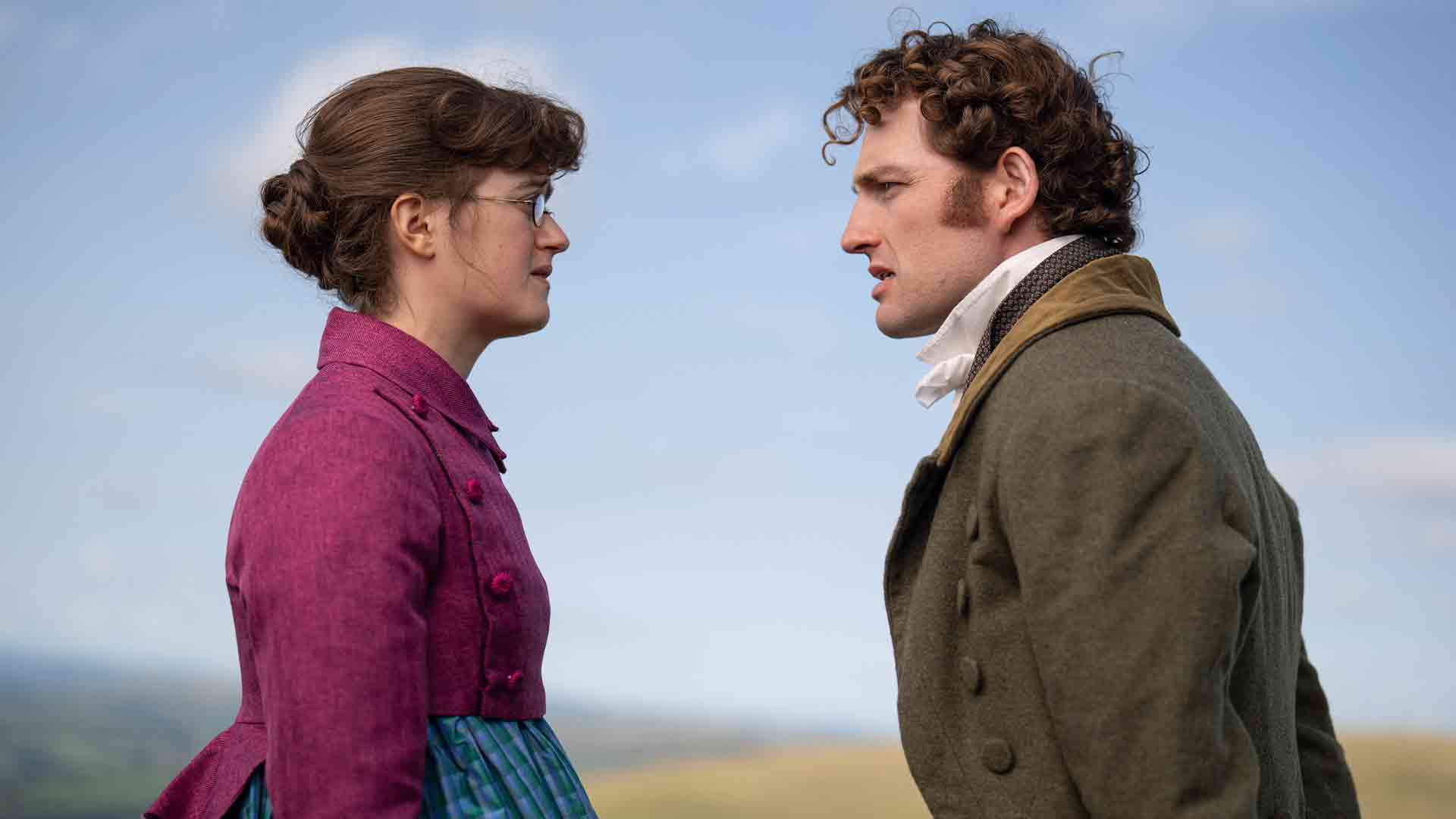
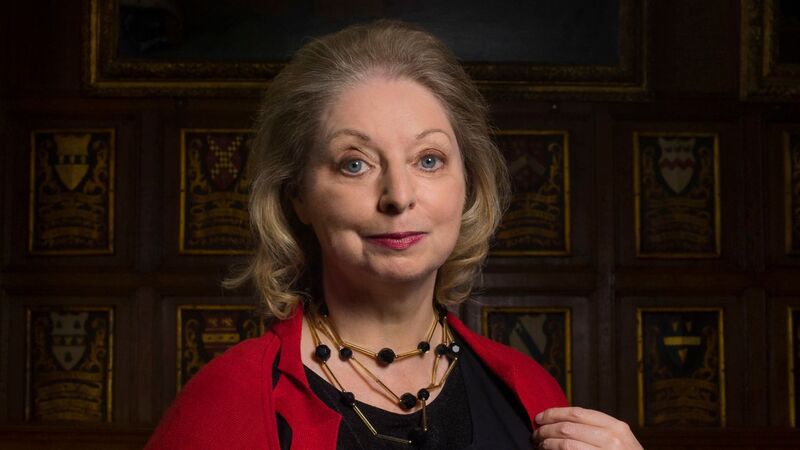
An adaptation of Janice Hadlow’s novel of the same name, The Other Bennet Sister stands out in a crowded field of book-to-screen period dramas. Next to the rip-roaring success of Disney+’s Rivals, adapted from the late, great Jilly Cooper’s Rutshire Chronicles, and Netflix’s Bridgerton, from the Regency-set novels by Julia Quinn, it is plain that there is also a demand for quieter, gentler romance. Amid Cooper’s cast of backstabbing, polo-playing, riding crop-wielding philanderers and Quinn’s society of silver-tongued lords and doe-eyed ladies, the world of Jane Austen has not lost its allure; viewers are still keen for cosy, understated period dramas.
Much like PD James’ Death Comes to Pemberley, Hadlow’s novel is set in the universe of Pride and Prejudice, imagining an alternative ending for the middle, often overlooked, Bennet daughter Mary, who was not blessed with the beauty, charm or wit of her four vivacious sisters. The television series assumes knowledge of Austen’s original story – much of the early action, such as Elizabeth and Darcy’s love story, happens “off-screen” – and therefore owes a significant debt to the popularity of the 1995 and 2005 adaptations. There are plenty of nods to the 1995 version in particular, most notably with Lucy Briers, who played Mary in the BBC series, returning as the servant Hill; in her kindness towards Ella Bruccoleri’s Mary, it is as if she has returned to watch over her younger self.
The series contains many of the usual tropes found in Austen’s oeuvre – miscommunications, inheritance scandals, rivals in love – even introducing a new character not present in the book, Ann Baxter, who has an “understanding” with Mary’s budding love interest; this has a distinct echo of Sense and Sensibility and Edward Ferrar’s secret engagement to Lucy Steele. Despite the Austen signifiers, The Other Bennet Sister has a 21st-century edge that sets it apart from its forerunners: throughout the course of the 10 episodes, Mary embarks on a journey of self discovery and acceptance, learning to cherish her independence and acknowledge her worth. The series leans into this aspect even more than the book, with Mary taking up the role of governess for her aunt and uncle, allowing her to grow in confidence and intellect. Yes, in the end, she gets the guy – but she comes to love herself, too.
It remains to be seen whether the upcoming Austen adaptations will incorporate modern sensibilities and how far they will stray from the source material. But it is patently clear that, 250 years on from her birth, Austen continues to resonate, most ardently, with readers and viewers alike.
Read the previous book to screen column, featuring Project Hail Mary, here.