




Reading is worth scrapping for



Two things can be true at the same time. It is feasible to believe, as the National Year of Reading does, that reading can be many things (including listening) and that the pleasure it can provide is one of its key attributes. It can also be true – as journalist James Marriott argues – that reading print books is “a necessary pre-condition of democracy”.
Marriott’s perspective is worth spending some time with – his long and timely essay on the importance of long-form reading can still be viewed on his Substack, and this week he speaks to my colleague Caroline Sanderson ahead of the publication of his follow-up book, The New Dark Ages: The End of Reading and the Dawn of a Post-Literate Society.
In his original piece, Marriott writes: “Our culture is being transformed into a smartphone wasteland.” A general digital dumbing-down. Books – the good ones, anyway – counter this, he says. “If the literate world was characterised by complexity and innovation, the post-literate world is characterised by simplicity, ignorance and stagnation,” Marriott continues.
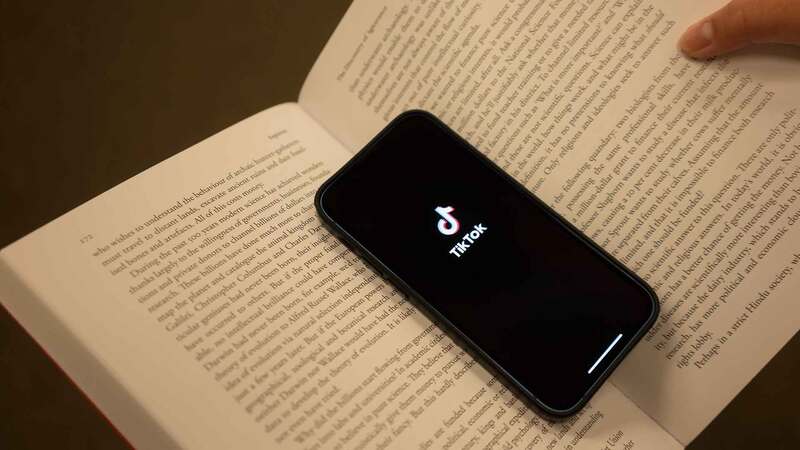
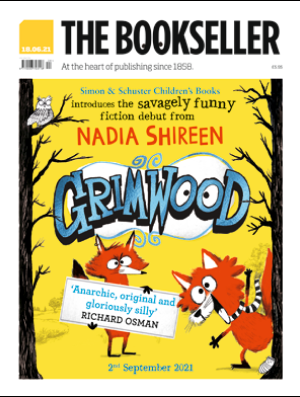
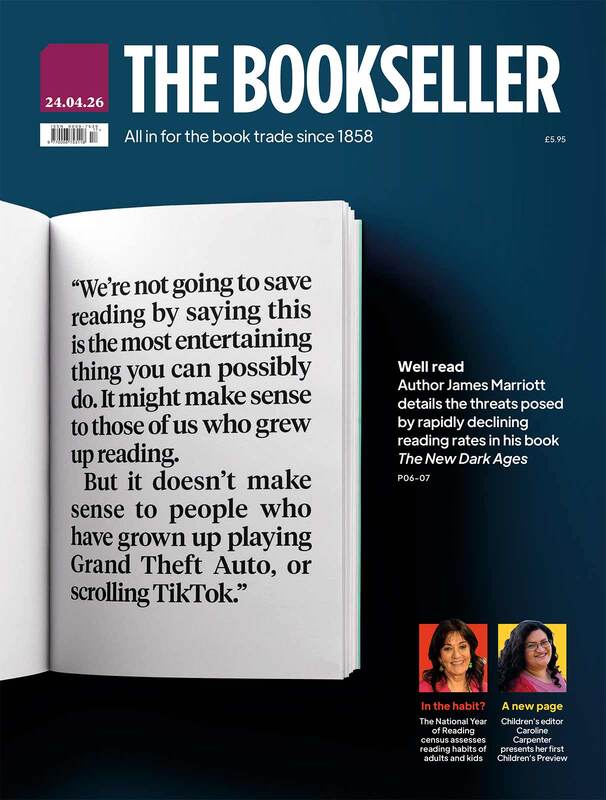
Evidenced from the quote on the front cover this week, Marriott argues that reading is a discipline we must work at: “We’re not going to save reading by saying this is the most entertaining thing you can possibly do,” he tells Sanderson. In a time of TikTok, that won’t wash.
As Sanderson notes, his gloomy hypothesis could hardly be more timely in the National Year of Reading, and his voice has become an influential one. In her keynote speech at The London Book Fair (LBF), Pan Macmillan chief executive Joanna Prior picked up on Marriott’s warnings around social media use, but argued that we shouldn’t retreat from using the modern technologies: “We can no longer expect today’s reader to meet us on our terms; we have to meet them on theirs... We must make the book as accessible, as urgent and as socially relevant as the notification.”
According to recent research, just 23% of the population can be described as "keen" readers, with the other segments ranging from "self-conscious" to "unconfident"
The book business is nothing if not pragmatic, of course. Marriott accuses the tech companies of “actively working to destroy human enlightenment and usher in a new Dark Age”. We work with them and see TikTok as a reader engagement tool. As I said earlier, two things can be true at the same time.
The through line here, though, is the reading crisis. Research commissioned by the National Literacy Trust ahead of the launch of the Year of Reading shows the extent of the challenge, but also the opportunity. According to Savanta – which mixed new research with a review of existing literacy data – just 23% of the population could be described as “keen” readers, a constituency we know well and rely on. The other segments – ranging from “self-conscious” readers to “unconfident” ones – are harder to reach but offer the greater upside.
The research, which is also worth getting in full, describes different motivations and barriers across the distinct groups, helping us, as Gail Rebuck tells us this week, to “understand where the real opportunities to engage modern readers lie” and target those who want to read but “face the practical challenges of modern life”.
Perhaps annoyingly for Marriott, Savanta has “I love it” as the top motivator for reading, with “improving myself” eighth in the ranking. We all come to books differently, and we ignore the pleasure they give at our peril. Even the simplest books can have a profound impact. As Prior said at LBF: “Our job isn’t to curate their taste to match our own; it’s to fuel the engine of their curiosity with whatever they happen to choose.”
Of course, Marriott’s aim is ambitious: he wants to save society. Our plan is a bit simpler: recruit more readers. Both work.