




On sponsorship and conscience
Last year’s activism against Baillie Gifford is part of a long and valuable tradition of literary protest.


The first time I remember a writer I admire protesting against sponsorship of their work was in 2011. Alice Oswald withdrew from the shortlist of the TS Eliot Prize for Poetry because of a new sponsor, Aurum.
Aurum is "a hedge fund investment specialist" — not a poet’s poet, but a hedge fund’s hedge fund — "at the very pointy end of capitalism", as Thomas Kinsella put it when he, too, withdrew. Oswald was firm that "poetry should be questioning not endorsing such institutions". Other poets disagreed or feigned ignorance. In defence of Aurum, Gillian Clarke, then national poet of Wales, unintentionally hit the nail on the head: "The TS Eliot Prize cleans the money." I watched this unfold with complicated respect and envy. It seemed to me honourable, but easier to do from a position of privilege.
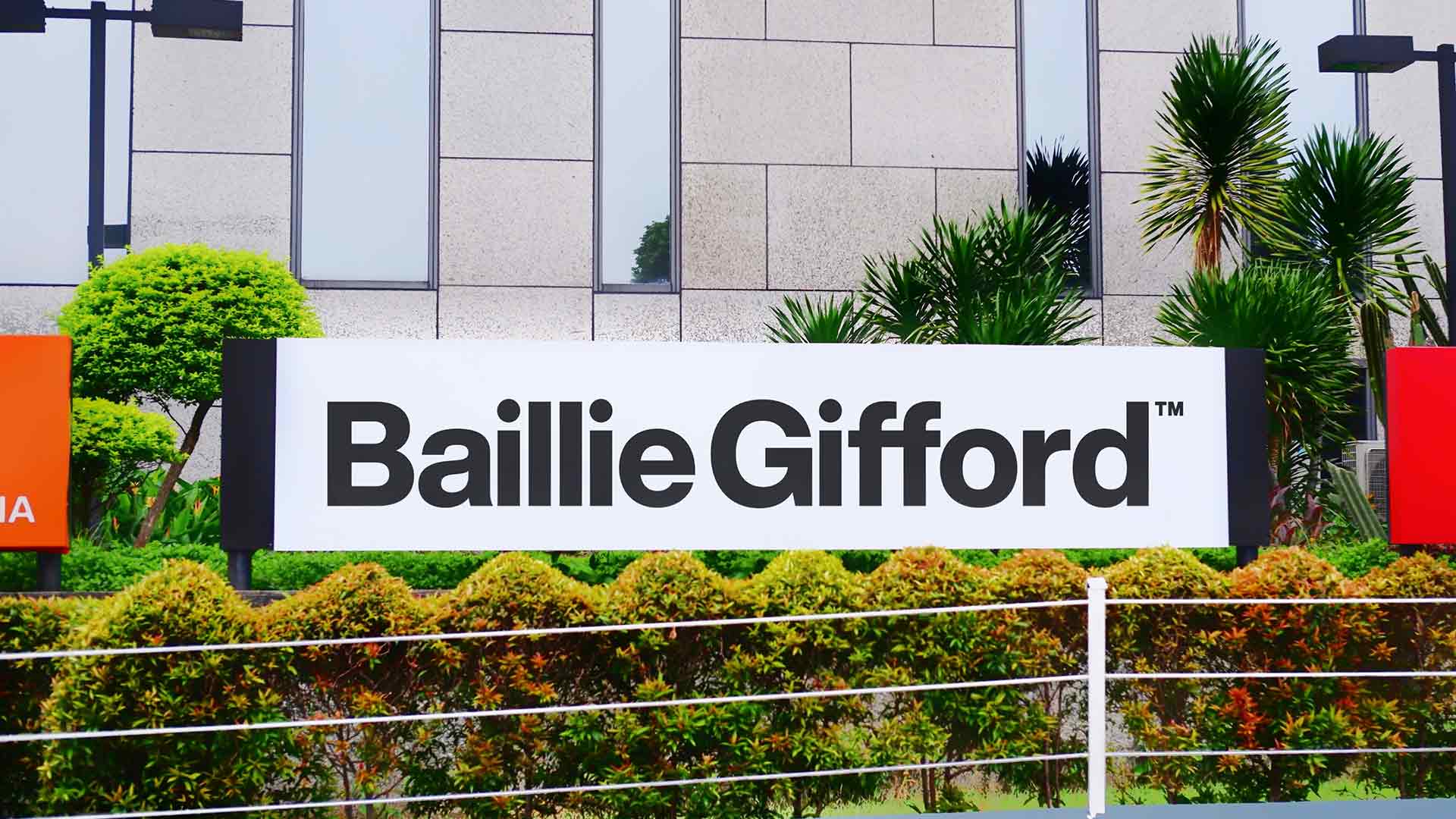
I admit I did not think much more about who sponsors the arts or why until August 2023, when the investments of Baillie Gifford came under scrutiny through writers protesting their sponsorship of the Edinburgh International Book Festival. I didn’t register the cluster of high visibility UK book festivals Baillie Gifford funded until spring 2024, when I realised they included Hay, the only festival my publisher had secured an event for me at. My event at Hay would be its only one with a disabled speaker and disabled chair, which felt momentous. But how could I talk about my book — about disability and nature — knowing my fee depended on ecocide and the mass-disablement and death of Palestinians, even as I drank prosecco in the green room? I remembered Oswald and Kinsella’s warning about funding the arts from the very pointy end of capitalism.
I went to a Fossil Free Books meeting online, and found myself amongst peers who felt similarly that our fees should not be contingent on harm to the most vulnerablised people and environments in the world. It didn’t seem much to ask. Before my event, Baillie Gifford and Hay parted ways. My chair and I spoke about the inseparability of our work towards disability justice and climate justice from that of others around the world. I read a poem by a young Gazan. It was entirely in the spirit of critical thinking one might expect to find at a literature festival, unremarkable except for the context.
The arts world has an extraordinary way of forgetting that which it finds uncomfortable, and the literary world is skilled at rewriting its history.
Last year was not the first time writers boycotted Hay over its sponsors. In 2019 Hay ended a five-year sponsorship with Tata after protests from writers including Arundhati Roy. In 2002 writers boycotted Hay over Nestlé’s sponsorship. Many withdrew, including Jeremy Hardy who noted the "ghastly motives" of corporate sponsors. Others, including Helen Fielding, spoke at the festival about the art-washing Nestlé had been advised to do to clean its reputation.
The arts world has an extraordinary way of forgetting that which it finds uncomfortable, and the literary world is skilled at rewriting its history.
It happens across the world, across platforms, across artforms. Press releases read roughly the same: due diligence was done, criticisms are misinformation, all money is corrupt, what do you want, no art?
I was still at Hay when EIBF announced via its website that it had parted with Baillie Gifford, too. I was surprised to read writers’ peaceful withdrawal from events was making it "[un]safe" and "intolerable". The chair of the festival board wrote of "constant threat of disruption from activists", described by Baillie Gifford’s Nick Thomas as "the activists’ anonymous campaign of coercion and misinformation", distressing "authors and the festival community". I was confused. The very non-anonymous signatories of the open letter were known to the festival not only as the writers they invited, but also as colleagues, friends, neighbours. Some had been speaking to EIBF for over a year about funding ethics. We were the authors and the community. No more.
In a pattern repeated in the press and over social media, concerns about Baillie Gifford’s investments were pitted against outreach for British children, "rigorous, intelligent debate" and "progressive and nuanced discussion". Led by Nick Thomas’s claim, we were to blame for all resulting "inhibiting effect... on funding for the arts in this country". We were accused of demolishing the entire UK art scene. Those of us who asked EIBF to correct inaccuracies published on their website were met with stony refusal. But would we also agree to return to the festival, and smile about it in public?
In the UK, FFB has been viewed in a vacuum, anomalous and bafflingly disconnected from similar movements around the world. Last year 1000 American writers boycotted all PEN America programming, including the 2024 World Voices Festival, for failing Palestinian colleagues. In Canada, over 2000 writers boycotted the Giller Prize, for "allowing sponsors... to use Canadian literature to obscure their participation in genocide." Outside the ceremony writers protested "the intertwining of arts funding and arms funding". The same week, Richard Flanagan refused a £50,000 prize until sponsor Baillie Gifford reduces fossil fuel investments. "As each of us is guilty," Flanagan said, "each of us too bears a responsibility to act: a writer, a fund manager." Shortlistee Viet Thanh Nguyen donated his £5000 prize to We Are Not Numbers, who support emerging Palestinian writers. Madeleine Thien donated a CAD25,000 prize from the Writers’ Trust of Canada to the Palestine Children’s Relief Fund and the Lebanese Red Cross. Such actions are not unprecedented, but they have never been as widespread.
We each of us have a choice about what we will allow our work to be used to justify. We do not have to accept what we know is harmful because we are told is it obstinate not to. The very least we can do is not forget our own history, or ignore our present. The present is always a good time to learn more and do better, and we have strength when we act together. This last year has shown me that.