




News for emerging authors: April
A hand-picked digest of news stories from the past month that emerging writers should know about.



The new financial year is already upon us and for those of you who are freelancing your way through that year-end tax return, this might also feel like a time to reflect, review and look towards a better, more hopeful (and lucrative) future. And speaking of hope in the midst of an ever-growing chaotic state of our world, the children’s book industry kind of had that covered in April.
Children’s Booker Prize opens for submissions and launches search for child judges
The Children’s Booker Prize 2027 has opened for publisher submissions and launched a nationwide competition for children to become one of three child judges, as the first major new prize from the Booker Prize Foundation in two decades announces the adults on its judging panel.
This is the big one, and as I mentioned a few months back when it was first announced, I know that those of you that qualify (writers of contemporary fiction for eight to 12 year olds published between 1st November 2025 and 31st October 2026) have alerted your publishers to submit your books ASAP.
Opportunities like these do not come around often, and especially not for children’s authors, which is funny because who among us was not inspired by a book they read (or listened to being read) when they were very small, igniting their passion for stories? I’ve said it before and I’ll keep saying it; if you’re writing for children, you are truly doing life-changing work. And you need tenacity, energy and hope to continue to do it, which the children really need at the moment.
Children ‘trying to zoom in on pages’ as survey finds third of new pupils unable to use books
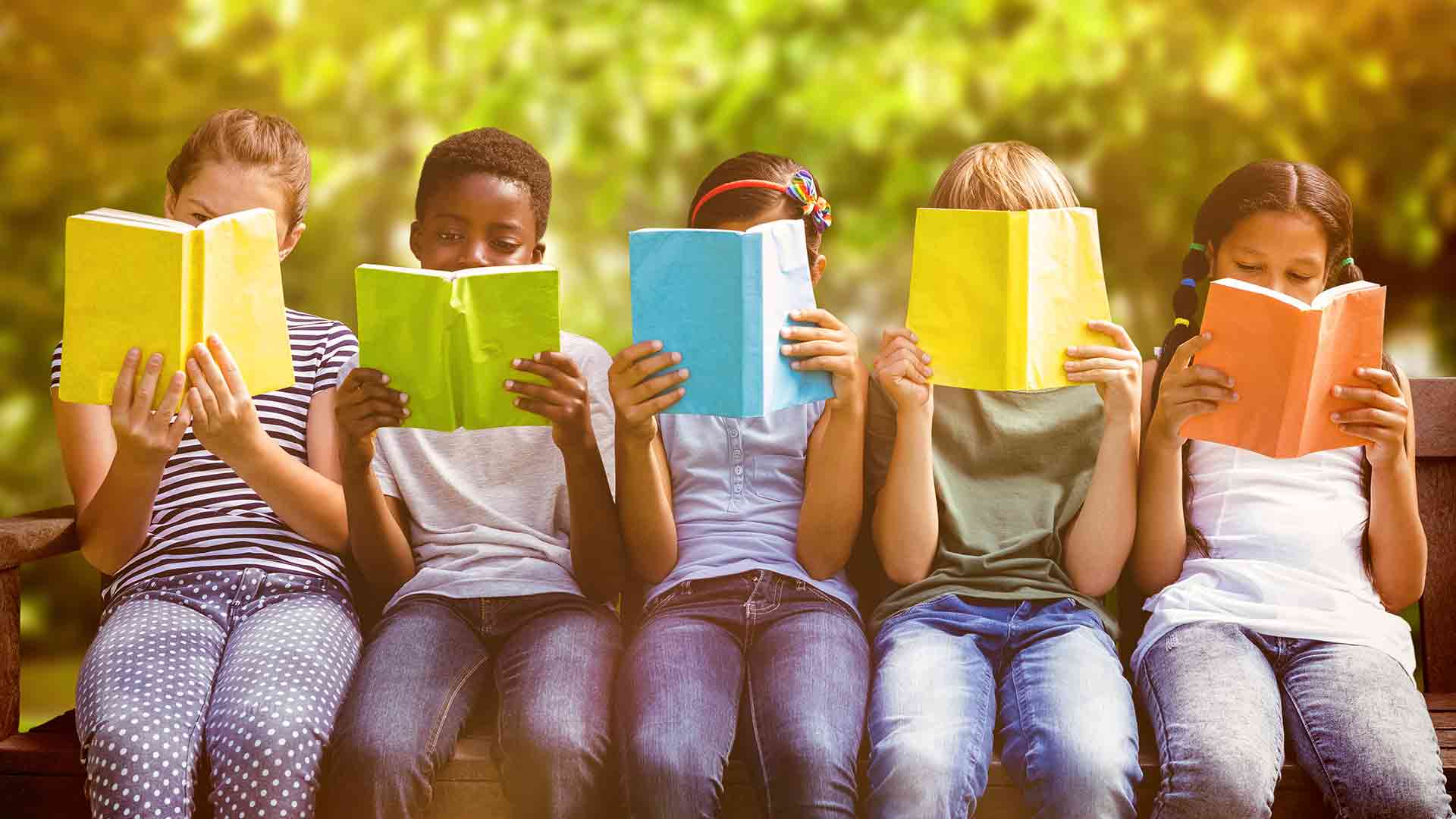
Nearly a third of children cannot use books when they start school, with some even trying to swipe and zoom on the pages, a survey from Kindred Squared has shown. The research was part of their school readiness survey earlier this year, where more than half of teachers cited children’s and parents’ excessive screen time as a key reason for children not being “school ready”.
It can be hard to read headlines like these and not feel pressure as an aspiring children’s author to try to save every young mind that you come into contact with. Of course, we cannot. All we can do is sit back and think of the stories that shaped us, and then decide which ones we want to put back out into the world. Although it’s the National Year of Reading, one of the main points of that campaign is to consider the future that we want young people to have, while preparing them for the one they will inevitably meet.
It can be hard to read headlines like these and not feel pressure as an aspiring children’s author to try to save every young mind that you come into contact with. Of course, we cannot.
So, what kind of future as an author do you want to have? Maybe it feels too early to ask these questions because you’re just starting out or waiting for your first book to be published? But having a plan, goal, or even just a desired ‘win’ for your book will help equip you for the unpredictability of this industry. And for the possibilities ahead.
Juno Dawson and Andy Darcy Theo to judge YA Book Prize 2026
Authors Juno Dawson and Andy Darcy Theo, Waterstones’ Lucy Jakes and Edinburgh International Book Festival’s Jodie Barnacle-Best are joining the judging panel for the YA Book Prize 2026.
Speaking of plans and goals, what if the YA Book Prize is one of your goals? When it comes to writing for teenagers, you need to be open to widening your reach by connecting with young people in multiple ways. As the judges on this year’s prize demonstrate, standing out in the YA space is heavily entangled with a presence on Instagram, TikTok and an author’s ability to promote their profile alongside their book.
There is a visibility that is now required of all of us, but especially children’s authors. When the time comes, you’ll need to get comfortable doing school visits, entertaining young people with your wit and charm, and sharing parts of yourself to satisfy the curiosities of young minds. This isn’t something that comes naturally to us all, so if your book isn’t out yet, now might be the time to get prepared. Practise your class presentations with your family and friends, come up with fun activities that are based around your book, and don’t forget to have fun with it.
It can be hard to focus on the enjoyable bits of being an author when it starts to feel like "work" and competition and luck, but the fun parts of it help remind us why we write stories in the first place.
Maybe it was that first book we read as children; the funny one, the hopeful one, the very silly one that made us all think: "I want to do that one day." It’s probably the thing that keeps us all going now, too.
Read More