



Let’s not Zuck up, the existential struggle is on


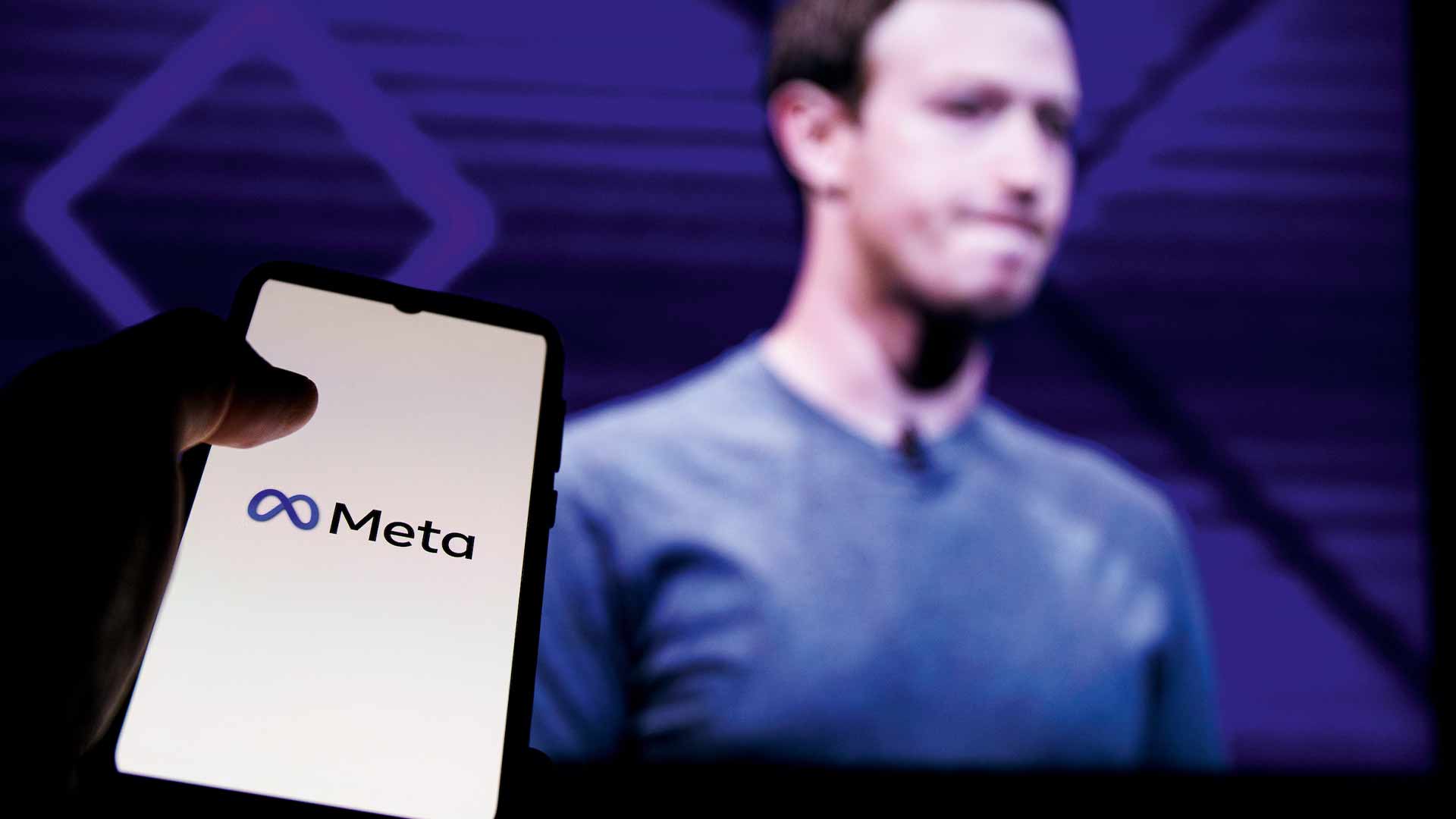
Before Easter, the Society of Authors (SoA) led a demonstration outside the London office of Facebook’s parent Meta, protesting at the company’s alleged theft of copyrighted books to train its artificial intelligence bot Llama 3. “Get the Zuck off our books” read one sign. Other terms were available.
This week, a debate was held in parliament at which MPs excoriated the government for its approach to a recent consultation on this issue that argued for an opt-out model in relation to training, a suggestion roundly and universally condemned by the creative sector.
This now feels like an existential struggle. It is about how we value our creative output, what others see in what we do and how we stand up for it. It is also about the rule of law. In public, Facebook founder Mark Zuckerberg has said that creatives exaggerate the worth of their content. But, in private, the company acts like it can’t find its wallet after a restaurant meal. In an amicus brief put before the Northern District of California by the Association of American Publishers (AAP) in support of the class-action against Meta, the AAP reports that Meta knew publishers’ books had significant value as AI training data and, for a time, it was prepared to pay millions to license them.
It points to other arrangements, including with book publishers such as HarperCollins and Wiley, arguing that the AI training licence market is already established, valued at $2.5bn this year, with some projecting it could grow to $30bn within a decade.
Petitioning to dismiss the case, Meta argues that its use of the copyright materials, even those obtained from pirate sites, constituted ‘fair use’
“Significantly, despite entering into discussions with book publishers to acquire authorised copies of their works to train Llama, Meta instead chose to acquire texts from notorious pirate sites like LibGen and Anna’s Archive. In light of this history, it is perhaps unsurprising that Meta seeks to deny the very existence of a viable market for AI training materials,” says the AAP. Petitioning to dismiss the case, Meta argues that its use of the copyright materials, even those obtained from pirate sites, constituted “fair use”, stating that plaintiffs have not proved economic damage. “They have no evidence to rebut that Llama serves a fundamentally different purpose than their books, without causing Plaintiffs any harm cognizable under copyright.” With no irony at all, Meta asserts that Llama is the “textbook definition of transformative fair use”.
In the run up to the parliamentary debate, UK Publishers Association CEO Dan Conway argued for the government to back up the current copyright regime: “We would ask MPs which future they would want to see: one where our creative industries are incentivised to grow and transform with technology, or one where we fold to the teenage demands of a tech sector who want content for free.” Copyright law exists, its needs to be respected, and must provide for “legal peace of mind”, the debate heard.
In a petition signed by 40,000 respondents, the SoA said the “UK government must play its part” and bring Meta executives to parliament to answer for their actions. The government says that it is still analysing the more than 11,000 responses to its copyright consultation. In response to the SoA’s demonstration, Meta locked its doors. It knows it Zucked up. The question is whether the government will hold it, and others, to account.