




It’s nice to be liked but we may need to toughen up too


A few years ago, in 2019, the thriller writer Lee Child told the audience at The British Book Awards that we were good people. “When I started in this business, the first thing I noticed was how lovely you all are. What I really care about is what you do,” said the Author of the Year. He had previously worked in television, so the bar was set low but, he assured, “you soared effortlessly above it”.
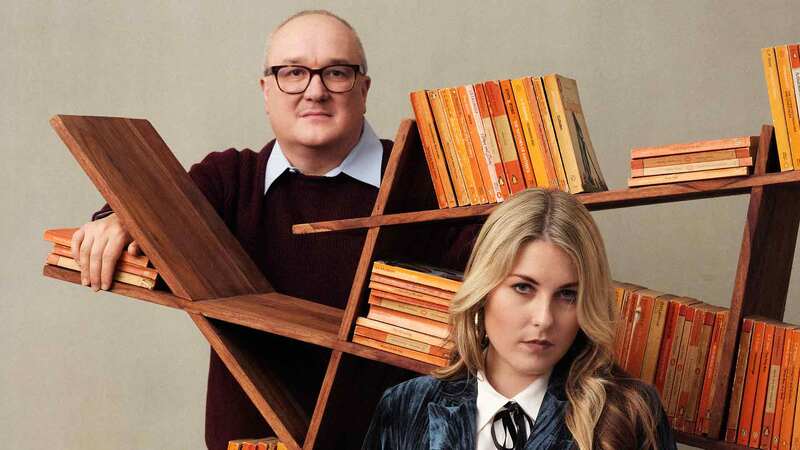
I was reminded of this when reading Rob Waddington’s comment piece, published on The Bookseller’s website this week, in which he reflected on the response to his cancer diagnosis. Waddington sees the trade from two perspectives – he is group sales director and head of audio at Penguin Random House and writes thrillers under the pen name of Robert Gold. He wrote: “No industry is perfect, but at times in publishing we are far too critical of ourselves. We focus too much on what’s wrong with the publishing industry. We spend too much time and energy listening to people telling us how we need to change. Repeatedly we are told publishing will never survive. That afternoon [after he revealed his diagnosis] and in the days following, I felt the incredible warmth of our industry.”
From big tech stealing our work to the right’s reframing of free speech, we are under attack.
I don’t disagree with either Child or Waddington. The book business has always been a welcoming environment for this editor of The Bookseller, with the informal side of the trade as important to me as the day-to-day stuff. As I write, in my introduction to the supplement we have published to celebrate 35 years of the Nibbies, publishing is a team sport and we are team players. Waddington expresses a similar sentiment: “A huge number of great people work in publishing. Every single day they do their very best for books, authors and readers. Publishing people are good people.”
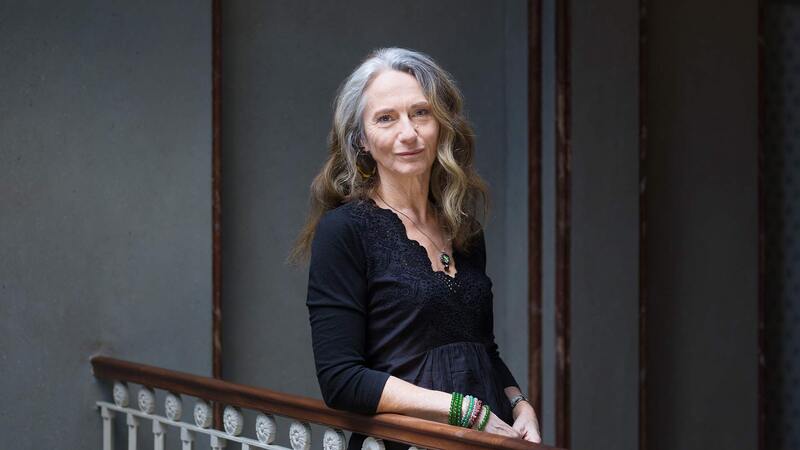
But all this niceness has an edge. It is self-evident that publishing skews differently for different people. In response to Child, I wrote that for some the books world can be an off-putting place. Even that informality demands knowledge of a set of rules, as well as the status to pull it off. In some cases, most notably around diversity, that bar is still set pretty low. Meanwhile, as my colleague Caroline Sanderson alludes to this week in her column on non-fiction there is still a tendency to undervalue the work of translators – ditto illustrators, freelancers, new starters and the rest.
We may regret not doing more sooner to open up the big friendly tent. I hesitate to reference the US president at this point, but Donald Trump’s agenda demands our continued attention. Earlier this week, US presses Penguin Random House, Hachette Book Group, Macmillan, Simon & Schuster and Sourcebooks wrote to the US Congress to demand it reverse the cuts imposed on the Institute of Museum and Library Services (IMLS) – the organisation that supports libraries in the US – by the Trump administration. “Shuttering IMLS would be an act of monumental neglect, violating the very foundation of America and what it stands for as a country,” the letter stated.
This very much feels like the least of it. From big tech stealing our work to the right’s reframing of free speech, we are under attack. No doubt the bonds we share with each other, as referenced by Waddington, will help. We can level up through niceness. We are better together, after all. But to go back to Lee Child, there will be a moment, and it may come soon, where we will need to come out swinging.