




I care about carelessness
The furore around fact-checking uncovers a deeper publishing problem.


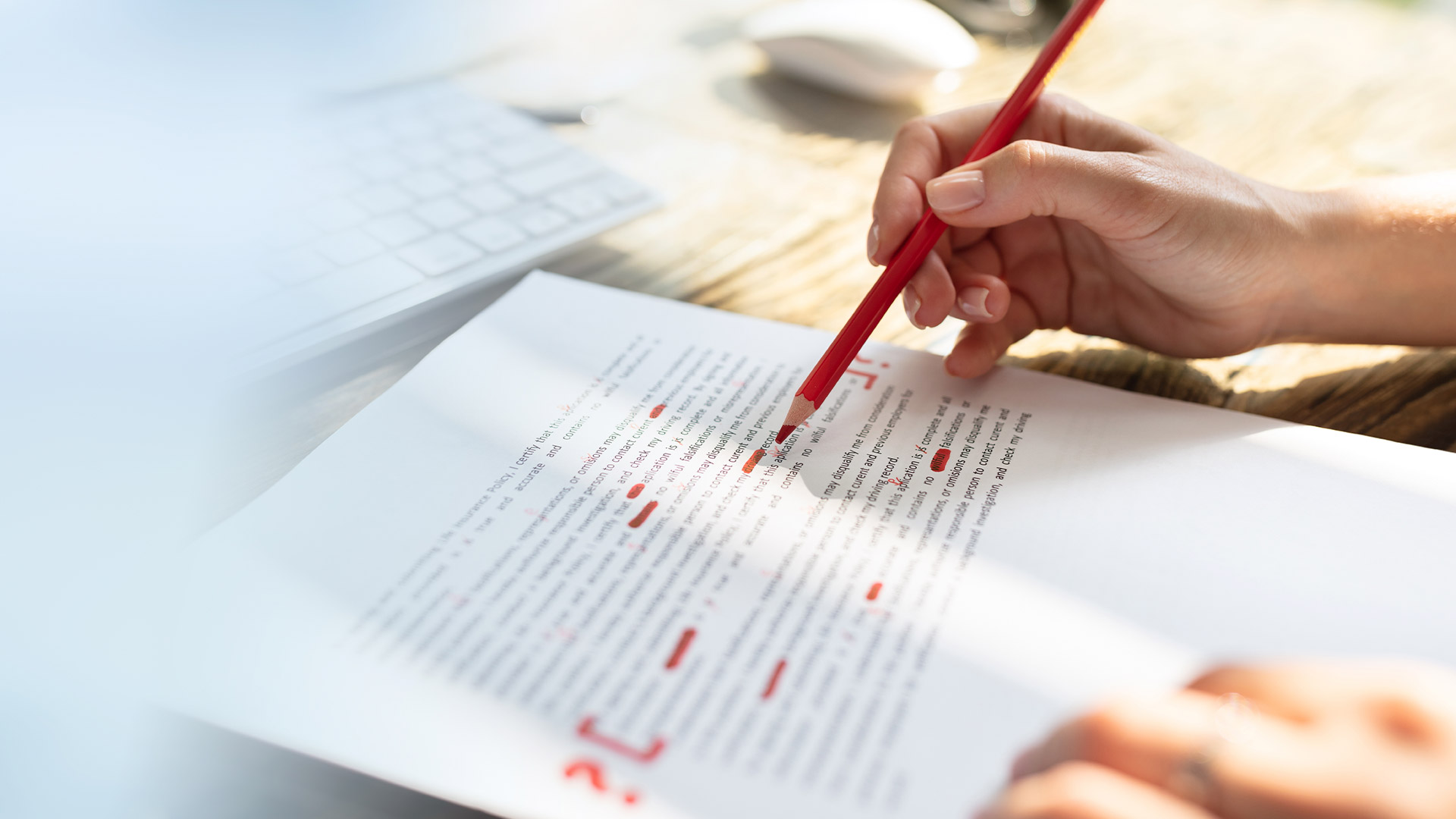
The nigh-on omniscient fact checkers at the New Yorker are legendary. Aficionados of their art – and I count myself among them – have long swapped stories about how detailed and dogged they are. But as someone with several decades of experience, both in-house and freelance, working for pretty much all the major trade publishers in the UK in some capacity or another, I must admit I snorted at the idea that we might employ fact checkers for non-fiction titles as a matter of course. Academic publishing is a different matter, as peer review has long been part of the process, but there’s not a snowball’s chance in hell any adult non-fiction divisions are budgeting for a fact checker, in addition to a copyeditor and proofreader, when trying to massage the P&Ls into something that might pass muster (unless in exceptional circumstances – Johann Hari being a perfect example of where the cost might well be factored in from the off, given the back-story).
The authors themselves may, of course, pay for one out of their own pocket, as Naomi Klein does, and I know plenty of historians who employ researchers, especially those, like Antonia Fraser, who are no longer able to schlep to far flung archives the way they might have done in the past – but there’s no way publishers are footing the bill. As with clearing and paying for picture permissions and the index, the onus in most cases lies firmly (and contractually) with the author, and arguably the advance is supposed to cover such costs. Though, in the interests of expediency, publishers will often step in, commissioning freelancers to clear permissions or draft the index, for example, and then deduct the costs from the next tranche of the advance.
Fundamentally, the content of a book is, and always has been, the author’s ultimate responsibility. That’s what they’re paid for. Yes, a book is published under an imprint, which can undeniably convey a certain authority (doing so is part of Penguin Classics’ USP, for example), but it’s the author’s name on the cover and, when push comes to shove, theirs is the final say regarding what goes to print, whether it’s right or wrong. In fact, most publishing houses include clauses in their contracts covering both plagiarism and the soundness of research to reinforce just this point. (Libel is a little different, as the publisher can be on the hook financially too, hence the need for legal reads.) And yet it’s undeniable that, when things go wrong, the publisher in no way escapes embarrassment and censure, and – in the worst case scenario – pulping and reprinting is undeniably expensive, so we can’t entirely dodge the issue either.
We’re living in the era of Trump, where having an opinion and stating it as loudly as possible is what matters... so is it any wonder the importance of getting your research right and citing references is falling by the wayside?
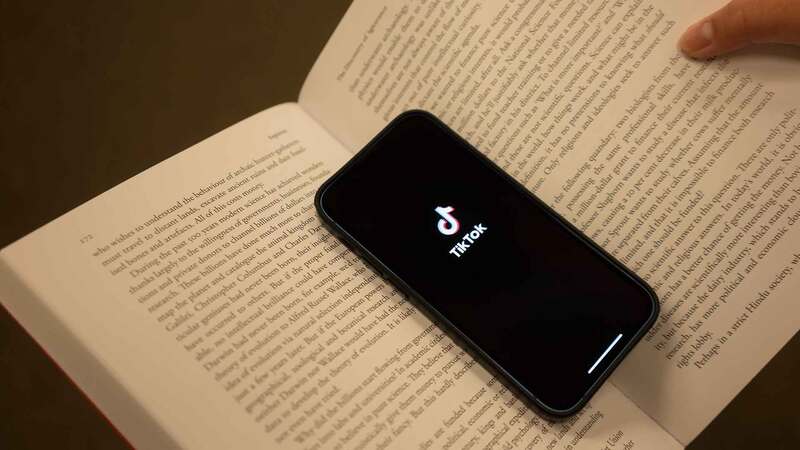
When commissioning non-fiction, it always used to be that you looked for expertise – the world champion turnip-grower, for example, would be the person you looked to to write a treatise on the subject, and that expertise would be considered a major selling point – but increasingly what is valued more is profile. Compared to millions of followers on TikTok or YouTube, qualifications and years of know-how pale into insignificance. We’re living in the era of Trump, where having an opinion and stating it as loudly as possible is what matters, not whether you can back it up, so is it any wonder the importance of getting your research right and citing references is falling by the wayside?
So, why would a publisher pay out for a fact checker when margins are already unbearably tight? The whole point of commissioning X to write Y is that they’re supposed to know what they’re talking about. And, ideally, all throughout the editorial process every link in the chain – at minimum, the editor, copyeditor and proofreader – will each possess a highly tuned editorial radar, alert for anything that might seem ‘off’. It’s not their job to do the author’s work for them, as their role is to edit and fine tune the book and prepare it for publication, but if that radar starts trembling for any reason, the alarm is raised and further investigation ensues. At least, that’s what is supposed to happen. And that’s where experience is so incredibly valuable and why the brain drain in publishing (especially the loss of older editors) has such serious implications.
A good editor, copyeditor or proofreader has a magpie mind and, while not the purported expert the author is (or, at least, is supposed to be), knows a terrifying amount about anything and everything. Their instincts, cultivated over decades, are second to none. The best publishers also cultivate pools of freelancers with myriad areas of expertise – when looking for someone to copyedit a book about Wagner, for example, why wouldn’t you go to the opera buff with shelves bursting with red ROH programmes and take advantage of that depth of knowledge to catch any small errors that even the most expert author might overlook? Good freelancers are a safety net catching any issues around sensitivity and libel, and so on, too.
However, what happens when the authors are no longer experts, but some aspirant to MrBeast’s YouTube throne, and the editors commissioning them are either stretched so thin they can’t pay close attention to the books they’re publishing or are so inexperienced they don’t even know what to look for and are oblivious to the finer points of libel, citations and clearing permissions? I was shocked to see famous song lyrics quoted at the start of each chapter of a well-known comedian’s memoir recently, but no sign anywhere that permissions had been cleared. Chances are none of the people actually working on that book were even aware that such a thing was necessary, despite the huge advance that will have been paid for what was clearly a lead title. Or maybe they were but didn’t care? Such niceties are considered increasingly unimportant – until someone gets sued. I’ve even heard it said that there’s been an active decision not to cite sources and have endmatter of any kind, as it would "weigh down the book".
Harnessing celebrity to sell books is nothing new, of course, but once upon a time these people lending their profile to shift copies would have been paired with a ghost writer who would do much of the actual work required. I’m seeing this less and less nowadays, and the tendency is for publishers to assume they’ll muddle through somehow, keeping costs as low as physically possible and hoping for the best.
I work on a huge range of titles as a freelancer, from weighty histories to diet books and even romance novels and self-help, so see it all, and the state that text comes to me for line-edit, copyedit and even proofread scares me more and more as the years pass. I ask myself, has anyone even read this? What was the agent doing letting the author deliver text in this sort of mess? Why did the commissioning editor sign off on the delivery advance when the endnotes are incomplete or missing altogether for a book that clearly requires them? Why is an inexperienced editorial assistant being left to brief me, when they have no idea what’s involved in fixing this particular disaster? It’s easy to blame the freelancer when something goes wrong, but no one looks at what we’re given to work with in the first place, and we can only do so much.
In the face of the threat from AI, if we publishers can’t offer quality, expertise and hands-on attention to detail, what’s the point of us?
Again and again, I roll up my sleeves and rescue these books, but it annoys me that lowly freelancers are being left to clean the Augean stables, rather than publishers (and agents – why aren’t they weighing in on this?) expecting more of the authors themselves and being more exacting in their commissioning. If nothing else, it’s such an almighty risk. What if the freelancer is rubbish, too? Plus, why should they be the ones to always have to go above and beyond? They’re not the people being paid a significant advance, or taking a significant commission of that advance, as the hourly rate is a pittance when you consider the expertise of the best copyeditors and proofreaders and how vital they are. They’re not the ones who get the kudos for the finished book or who receive royalties. And if editorial work is outsourced outside of the UK, just as has happened with so much typesetting that used to be done in the UK, I presume copyediting and proofreading will soon follow? Madness. Typesetting was problematic enough (and has led to much heavier proofreads, so arguably not saved anyone much), but this is content.
In the face of the threat from AI, if we publishers can’t offer quality, expertise and hands-on attention to detail, what’s the point of us? Sure, the New Yorker’s standards are beyond our scope (and I’m not sure how even the New Yorker affords it nowadays), but the only way we can see off the AI threat is by being better and offering what the tech-bro disrupters can’t. Too many publishers are shunting more and more substandard books out into the marketplace in the hope that something will stick, rather than being more judicious and curating their list. We need to care more and stop being so cynical and sloppy or we won’t survive.