

You are viewing your 1 free article this month.
Sign in to make the most of your access to expert book trade coverage.
…and you can even do it without connections or cash.
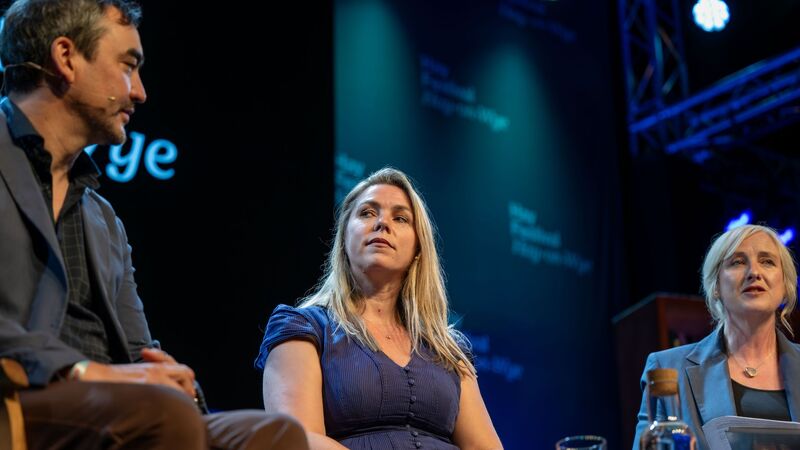
Earlier this week at The Bookseller’s FutureBook conference, a panel of indie publishers spoke openly about the "existential crisis" facing small presses: rising production costs, reduced arts funding, patchy retail support and the prospect that many of us may not exist in five years’ time. They called for a funded cultural impact study to prove what indies contribute to culture, and stressed that it is not about complaining but about action.
For anyone thinking of starting a press without savings, contacts or a London postcode, this can sound like a warning not to bother. What follows is not a rebuttal of that reality, but a reminder that it is still possible to build a press from the outside, as I would like to think I have done with Broken Sleep Books, on little more than time, stubbornness and a community of writers and readers who refuse to give up.
When starting an indie publishing press, you must first decide which genre of book you wish to publish if, that is, you want to remain tied to a specific genre. That is something to keep in mind when you do not have connections or family money. On this basis alone, graphic novels, children’s books and novels are largely off the table: graphic novels are expensive to print because of all that colour printing; children’s books are already dominated by celebrity authors to whom you have no connection; and novels run the risk of winning a competition, which will cost too much money, as, until recently, publishers of shortlisted titles had to pay £5,000 to the Booker Prize for marketing, and the winning publisher had to pay an extra £5,000.
Once you have chosen your preferred genre, the next step is to attempt to convince authors to publish with you. You might think you can do this by asking family friends, or by approaching high-standing university lecturers. However, you have no connections or money, so your parents don’t have any lofty mates, and you did not have the necessary platform to access a Russell Group university. Your ability to coax "reputable" authors is stymied from the start. One way to overcome this, and the method I took, is to engage with the communal acts and practices of writing. I offered free editorial support on Twitter) before it became a hate-filled den known as X, and built up my editorial skills while helping others with their own work. Through this I discovered a couple of great manuscripts which were still unpublished, as their authors faced the same hurdles I did. This means you do not get the chance to start the press with bestselling authors or influencers, but you do have the joy of starting with books and authors you fully believe in.
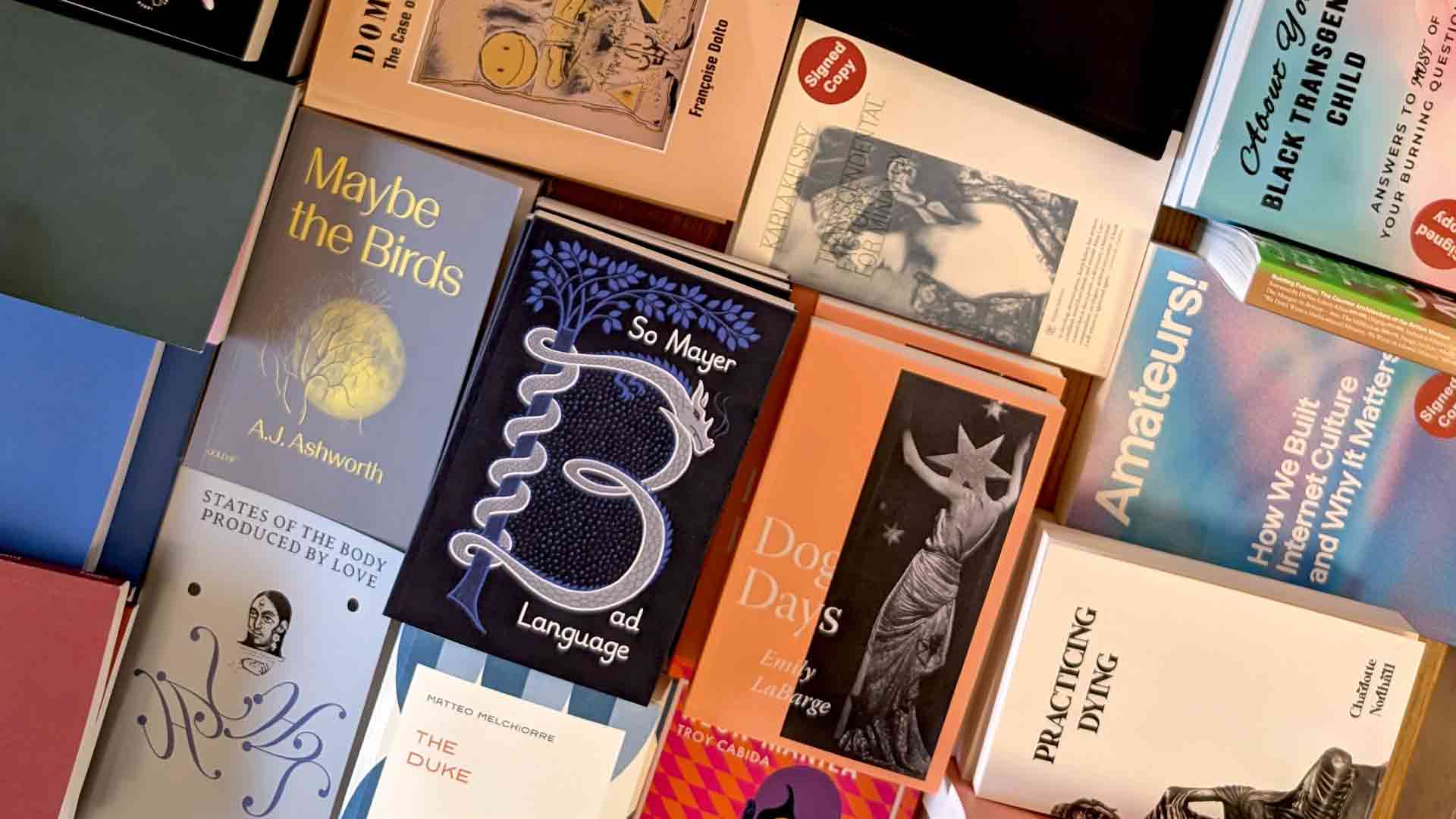
At this point you must decide how you want your books to look. You can opt for fancy endpapers, French flaps and paper exclusively made for a limited run, but these costs add up, and they lead to a book that you would not be able to afford to buy. So why price others out of the work you’re publishing? You could, if you were inclined, decide instead to keep costs down and offer books that are affordable and allow for widening access to the arts you have previously been excluded from. This is the route I chose, one in which economic accessibility is a central consideration.
It is still possible to build a press from the outside, as I would like to think I have done with Broken Sleep Books, on little more than time, stubbornness, and a community of writers and readers who refuse to give up
You can apply for grants in the hope that you can cover some of your printing costs, pay advances to authors and put a marketing scheme in place. However, the publishers who are most likely to get that cash are the ones who already have enough money to pay people to write bids that will get them more money. Don’t be surprised if you apply for a grant only to find it has been awarded to the same publishers it has always been awarded to, or to publishers who have already received two or three different grants. You may see the pot as something to be shared, but not everybody does. The way to counteract this is to run the press in the free time you have around work, family and your own creative practices. This way you can create a publishing house that doesn’t pay you a salary but does stay afloat regardless of funding rejections. I have found that insomnia is a boost on this front: when you get home from work and finish putting the kids to bed, you can stay up late to work on your business.
Soon you will be faced with the dilemma of prizes. If you are based in London, then you will mostly be able to attend any prize ceremonies, and you may even have friends who judge said prizes. However, if you are one of the unlucky 60 million people who do not live in London, you will likely struggle to attend. Not to worry though, you are working two jobs to afford to run the press, so you do not have free time to attend anyway. Your authors may scoop up the occasional prize, but nepotism will ensure that most prizes still go to those who know those who hold power.
This all feels like a burden, like starting an indie publishing press is a difficult and tiring process, and it is, but that’s not to say you won’t enjoy the work you do and the things you achieve. When other financially secure publishers take more than their need from the funding pots available, you will be able to turn to support from readers and console yourself that you’re making a difference. When your authors go on to bigger publishers who can give their work the financial push it needs, you can be proud of the fact that you helped with their first steps. And when times get tough, and things get difficult, you can rely on the community you have built, the readers who turned to you because you knew how to turn to them, and know that regardless of the intricacies of publishing politics, you have built something more valuable than any grant could ever offer.