





A cuckoo for our times
Can a new staging of Ken Kesey’s cult novel speak to modern audiences?


Written in 1962, Ken Kesey’s cult novel One Flew Over the Cuckoo’s Nest is one of the defining texts of the 1960s countercultural movement. An anti-establishment broadside against not just repressive institutions but wider American society, it was a commercial success in its day and has gone on to sell millions of copies worldwide.
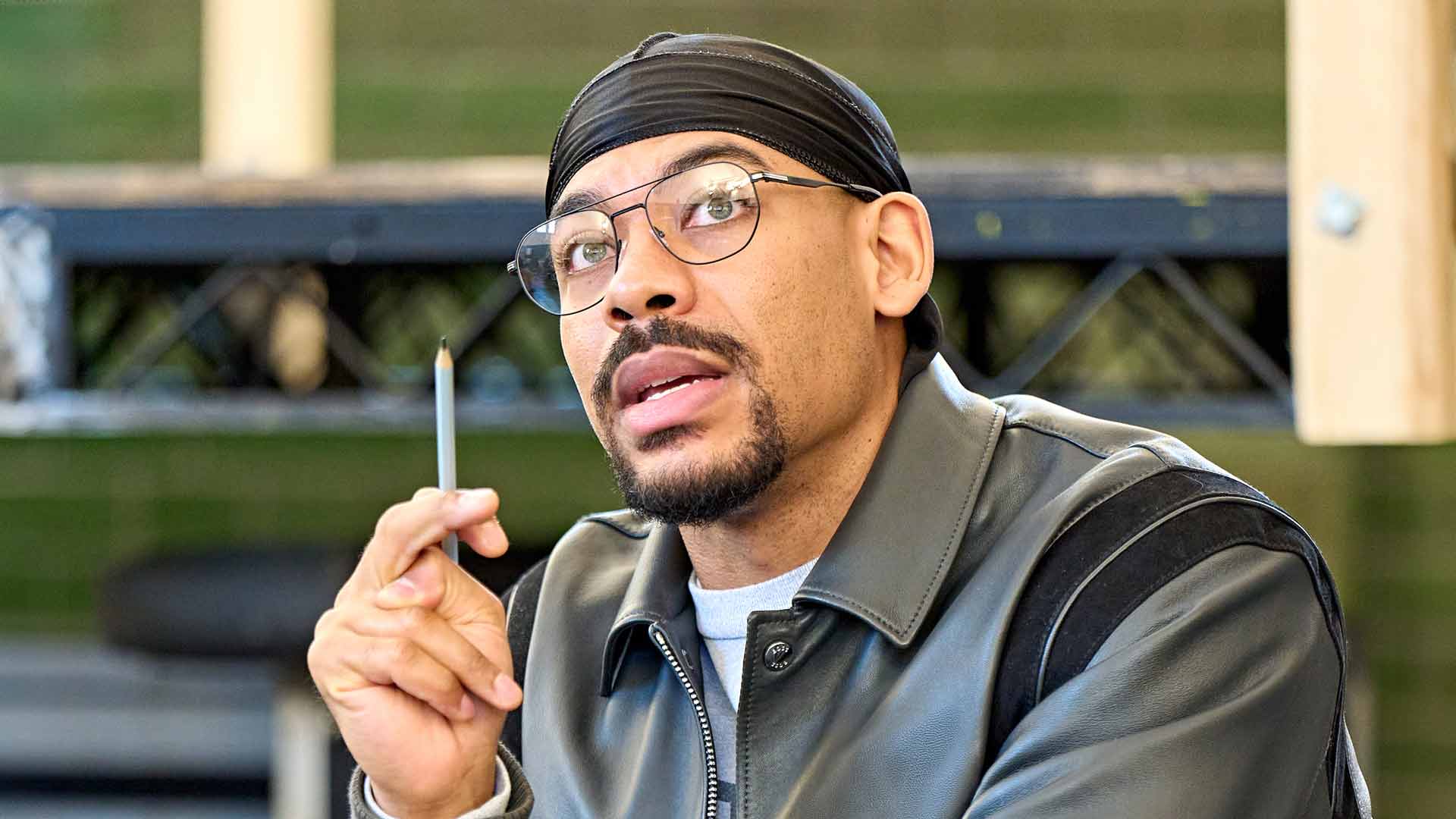
Its iconic status was cemented by Miloš Forman’s 1975 film adaptation, one of only three films to win all five major categories at the Oscars. Ironically, Kesey famously hated Forman’s film, far preferring Dale Wasserman’s more faithful 1963 stage adaptation, a new version of which has just opened at London’s Old Vic. Aaron Pierre will play Randle McMurphy, a man who feigns mental illness so he can be sent to a mental institution instead of going to prison, only to end up on a ward overseen by the tyrannical Nurse Ratched. Hamilton star Giles Terera will play Harding, one of McMurphy’s fellow inmates, and Olivia Williams will play Nurse Ratched, stepping into the role after Michelle Gomez withdrew.
Clint Dyer will direct the production which, with its majority Black casting, looks likely to reframe the play in interesting ways, much as Marianne Elliott and Miranda Cromwell’s production of Death of a Salesman did at the Young Vic.
Wasserman’s play has received a few notable revivals since then, both in the US and the UK. In the original Broadway production, Kirk Douglas played McMurphy opposite Joan Tetzel as Ratched and Gene Wilder as the young, stuttering patient Billy Bibbit. Arguably, however, since Jack Nicholson played the role on screen, his portrayal has become inextricably linked with the character. In 2001, it was revived by Chicago’s renowned Steppenwolf Theatre Company. Terry Kinney – who played a prison warden in landmark HBO series Oz, a show that also used an oppressive institution as a lens through which to critique American society – directed the propulsive production in which Gary Sinise plays the charismatic and volatile McMurphy.
Is there something about the current moment behind this uptick in interest in stories set in 1960s institutions?
Continues...
Read More


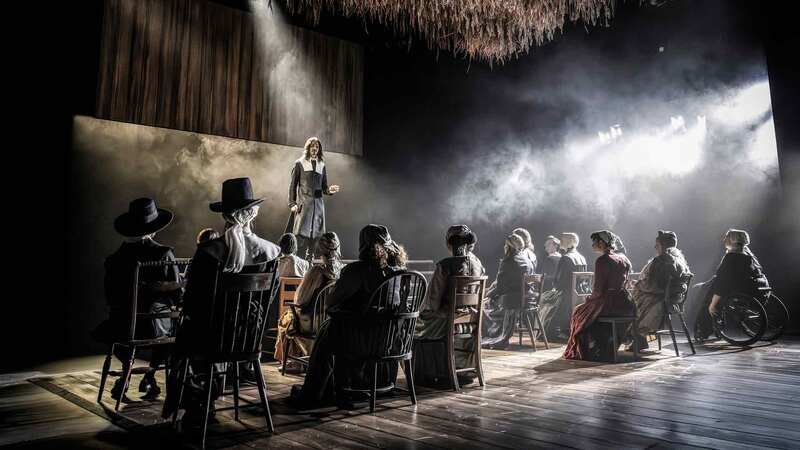
In 2004, Christian Slater played McMurphy at the Edinburgh Festival Fringe opposite Frances Barber’s malevolent Nurse Ratched and a cast that mainly consisted of stand-up comedians. The production went on to have a successful West End run with Alex Kingston stepping into the Ratched role. In 2018, Javaad Alipoor directed a production for the Crucible Theatre in Sheffield, which, despite losing its original Nurse Ratched during the preview period, was still warmly received.
Wasserman’s adaptation cleaved closer to the source material than Forman’s film. While the move dispensed with the narration of the Native American Chief Bromden, he remains a pivotal figure in Wasserman’s play (perhaps one of the reasons why Kesey preferred it). The stage play, however, also retains the novel’s dubious attitude to women. As Guardian critic Michael Billington pointed out in his review of the Steppenwolf production, both novel and play are “stuffed with adolescent sexism: the women are either whores or bullies”. Billington was evidently not a fan of the Wasserman adaptation, calling it “soft-brained”.
The sexism is something that Alipoor’s production chose to highlight rather than soft-soap; according to Arifa Akbar in her review, it didn’t allow audiences to forget that McMurphy is “not just anti-authority but volubly anti-women”. In this, and many respects, Wasserman’s play is a product of its era, railing against a society that dehumanises those who do not, or cannot, conform, while simultaneously displaying hostility and contempt towards its female characters.
Interestingly, later this spring The Public Theater in New York will present a new musical version (or “play with music”, as it’s being described) of Susanna Kaysen’s bestselling memoir Girl, Interrupted, based on her experiences inside a psychiatric hospital in the 1960s, adapted for the stage by Pulitzer Prize-winning playwright Martyna Majok with original music by Aimee Mann. The 1999 film is often compared – not always favourably – to One Flew Over the Cuckoo’s Nest, the key difference being that it has both a young female protagonist and most of the characters are women. Is there something about the current moment behind this uptick in interest in stories set in 1960s institutions?
It will be fascinating to see what Dyer does with the material. Dyer, a former deputy artistic director of the National Theatre, said in a recent Deadline interview, that he believes the film, and some productions of the play, stripped Kesey’s story of its “main core central tenet, which is talking about colonialism”. Unlike some other productions of the play, which have attempted to emulate the film, his version will recentre the character of Bromden – played by Arthur Boan. Whether it’s possible to capture something of the spirit of Kesey’s novel while resonating with a contemporary audience remains to be seen.
One Flew Over the Cuckoo’s Nest is at the Old Vic, London, from 1st April to 23rd May