





You are viewing your 1 free article this month.
Sign in to make the most of your access to expert book trade coverage.
Books in the Media: Andrew Graham-Dixon's 'revelatory' biography of Johannes Vermeer captivates


This week, a new biography of Dutch painter Johannes Vermeer was welcomed by critics while new titles in historical fiction and folk horror, as well as a “devastating” memoir, also received acclaim.
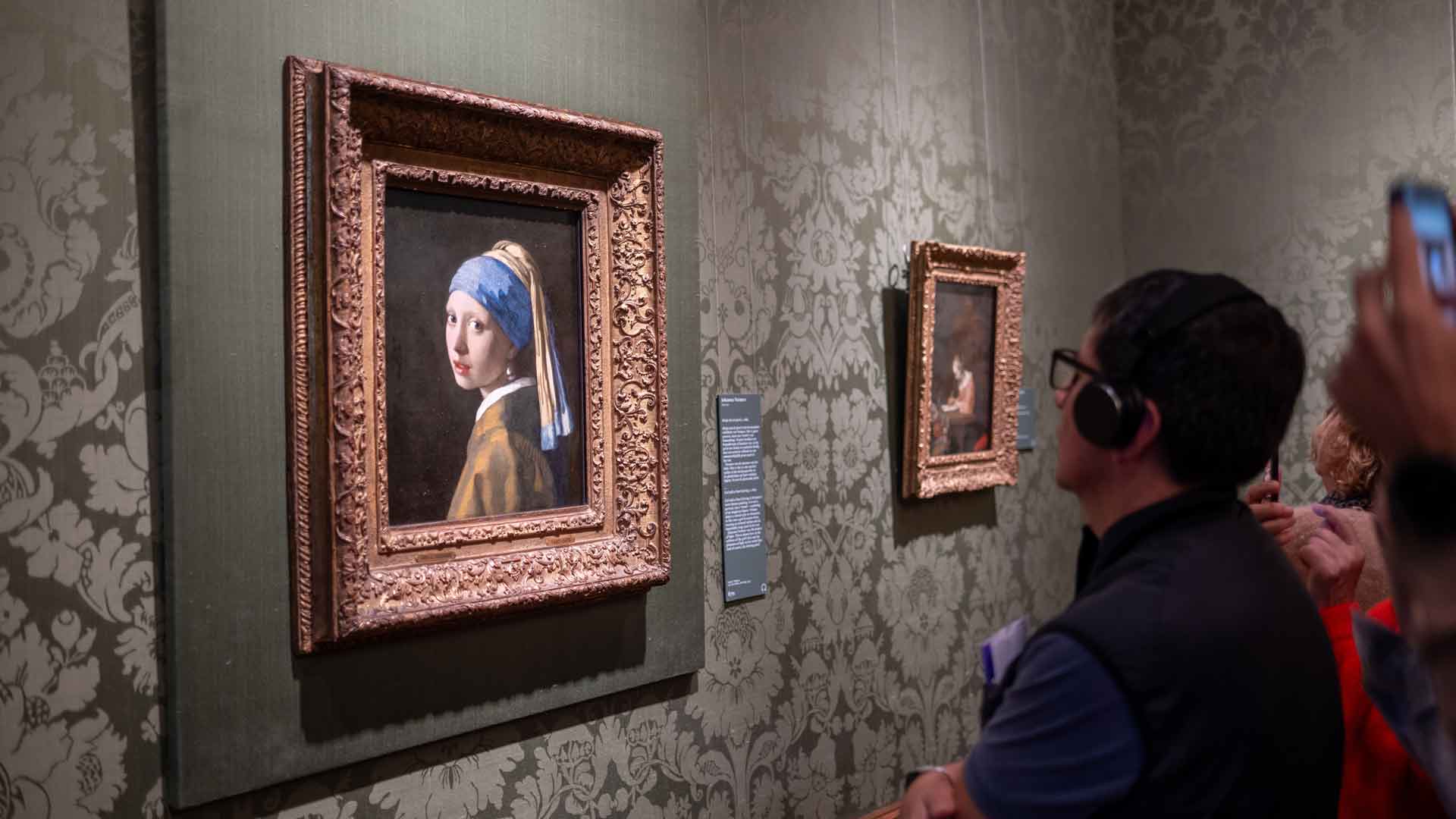
Art historian Andrew Graham-Dixon’s “riveting” biography of Dutch painter Vermeer, Vermeer: A Life Lost and Found (Allen Lane), is a “powerfully persuasive investigation into the intellectual and devotional world of Vermeer and his circle”, reported Laura Freeman, writing for the Times. Graham-Dixon’s “reading of the paintings is revelatory”, Freeman elaborated. “He trawls the archives, lays out new evidence, links pictures never linked before, and teases new meanings from signs, symbols and sitters”. The biography also suggests the identity of the woman portrayed in Girl with a Pearl Earring is Magdalena, the daughter of the couple who were patrons of Vermeer’s work.
This discovery formed the headline for Evgenia Siokos’ review in the Telegraph. “What Graham-Dixon contributes is the recognition that naming the sitter is not, in itself, the whole solution... She’s elevated by Vermeer to an allegorical figure in the ‘persona of Mary Magdalene, follower of Christ’”, Siokos concluded. “A hefty dose of ingenuity is required to draw an engaging tale from 17th-cenutry city records. There are few writers better to take on the task.” Writing for the Financial Times, Joe Moshenska found Vermeer to be “well-grounded in scholarship” and the writing “lively and adroit”. The Observer’s Vanessa Thorpe wrote that “Graham-Dixon puts forward a revolutionary theory... Right, or wrong, it is a theory that will change the way people look at that famous pearl earring, as well as at the painter’s other luminous portraits of lone women”.
Philippa Gregory has returned to the Boleyn family nearly 25 years after The Other Boleyn Girl was published. In Boleyn Traitor (HarperCollins) she has created a “gripping portrait of Jane Boleyn”, wrote Antonia Senior at the Sunday Times. “Jane is a brilliant choice of character,” found Senior. “She was a lady-in-waiting to five of Henry’s wives. All through this parade of wives she watches, astute, determined, sometimes frightened and not always likable... Gregory’s great skill lies in her eye for telling period detail, and in her vivid recreation of a court in which sex and politics are intertwined and deadly.” When interviewed by The Bookseller’s Lauren Brown, Gregory described Jane Boleyn as a “smoking gun”.
Continues...
Read More


Author of The Loney and Starve Acre, Andrew Michael Hurley’s latest, Saltwash (John Murrary), “conjur[es] a desolate seaside town on the Lancashire coast as both stage and character, a place where the human and the elemental collapse into one another”, reported Alex Preston at the Financial Times. The novel follows Tom who has come to Saltwash to meet pen-friend and fellow cancer patient Oliver Keele. The pair are to meet at a hotel for dinner, but “only gradually does it become clear that this is no reunion but a ritual”. Preston called the novel “folk horror for our moment, where the terror is not that the old gods might return, but that they have been living and working darkly within us all along”.
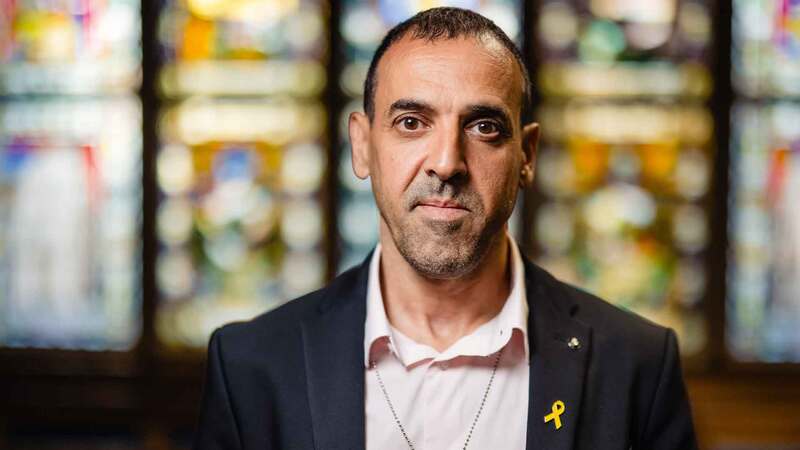
Eli Sharabi’s memoir, Hostage (Swift Press), recounts his 491 days "in captivity" after being kidnapped by Hamas during the 7th October 2023 attacks. Originally published in Hebrew in Israel, the Times’ Sarah Ditum called Hostage a “devastating account of hope in the most inhumane conditions”, adding: “It is also an intimate portrait of the terrorist mindset, based on Sharabi’s time as a forced observer.” Ditum concluded: “In a sea of horror, this book’s arrival during a Trump-negotiated ceasefire that has led to the release of the remaining living hostages offers a small glimmer of hope.” The New Statesman’s Rachel Cunliffe wrote that “to call his book harrowing is an understatement”. The review concluded: “This book is vital for anyone wishing to understand the horror of the past two years from a perspective that has too often been overlooked. But there is a more general message here too, about survival, perseverance and the power of human endurance in the face of unimaginable trauma.”