




Books in the Media: debut novels from Barnaby Martin and Charlotte Runcie capture critics' attention


This week, debut novels dominated the reviews while in non-fiction, narrative history and an exploration of the dangers of overworking were picked in the Telegraph and Sunday Times, respectively.
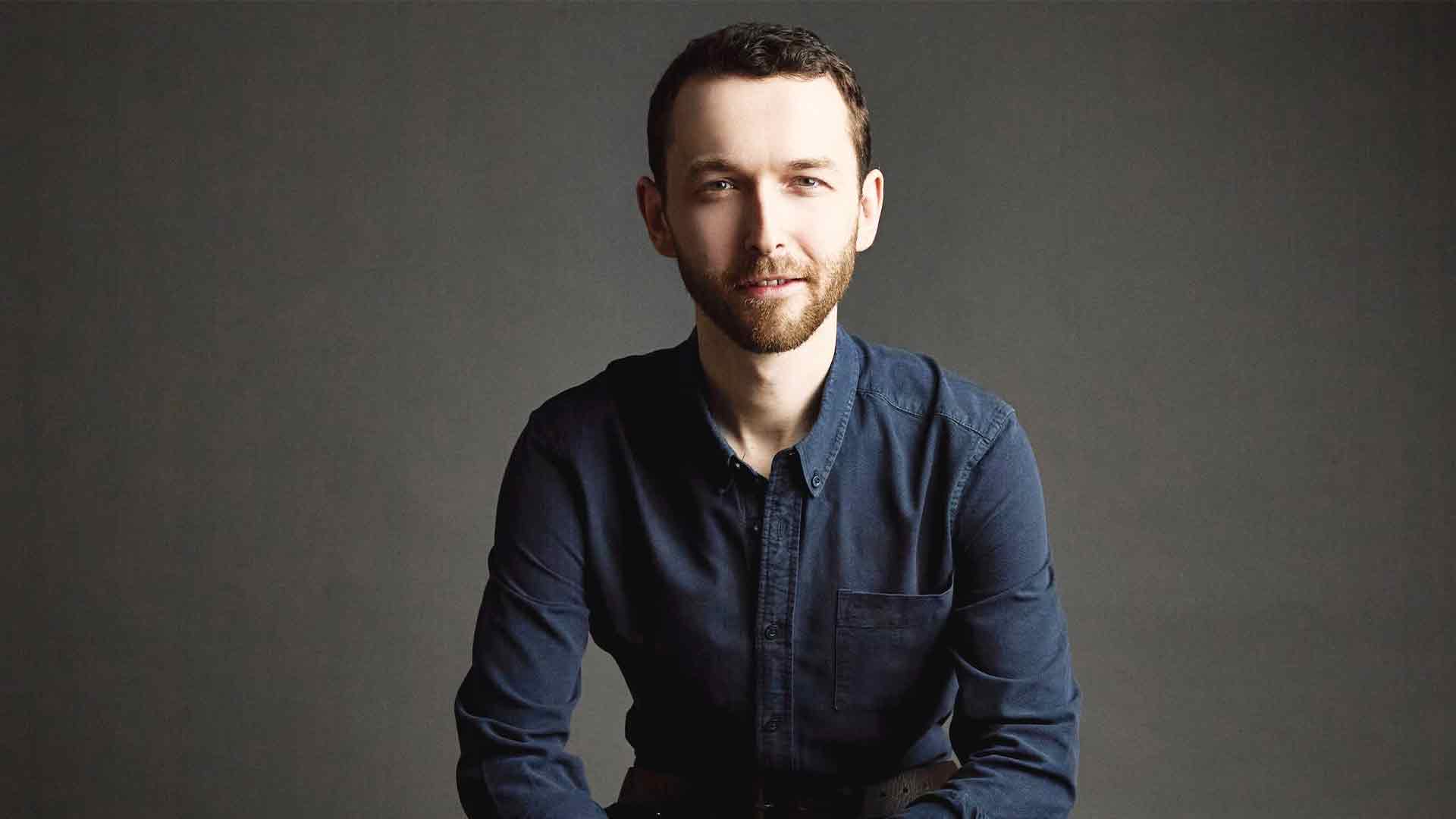
Barnaby Martin’s debut novel The Quiet (Macmillan) was selected in a round-up of the best recent SF, fantasy and horror by the Guardian’s Lisa Tuttle. Set in a dystopian America, which has “changed dramatically since the arrival of something called the Soundfield”, The Quiet follows Hannah and her son Isaac, who she must protect from the government. “[Hannah’s] concern for Isaac comes through powerfully and, along with all the mystery, keeps the reader hooked in expectation of revelations to come,” wrote Tuttle. “Only the how and why of the Soundfield is not among them – and such an intriguing concept deserves a sequel.” The Quiet was also selected as one of The Bookseller’s Debuts of 2025, Volume 2: “A feat of writing that foregrounds the value of kindness and communication in a world bent on segregation and miscommunication”.
Dr Joseph Jebelli’s The Brain at Rest: Why Doing Nothing Changes Your Life (Torva) examines “the productive powers of idleness”, wrote Johanna Thomas-Corr at the Sunday Times. Jebelli brings “some scientific rigour to the subject”, having previously penned works on Alzheimer’s and “brain evolution”, and in The Brain at Rest he sets out to “slay” the monster of overworking. “He wants to reframe boredom as an opportunity for discovery and invention, and overwork as a ‘pandemic’ that’s killing us,” noted Thomas-Corr. “He rails against the capitalist imperatives of relentless labour, as well as the pressure to socialise.” The review concluded that The Brain at Rest is “inspiring and practical and, I hope, signals a wider change in how we think about work”.
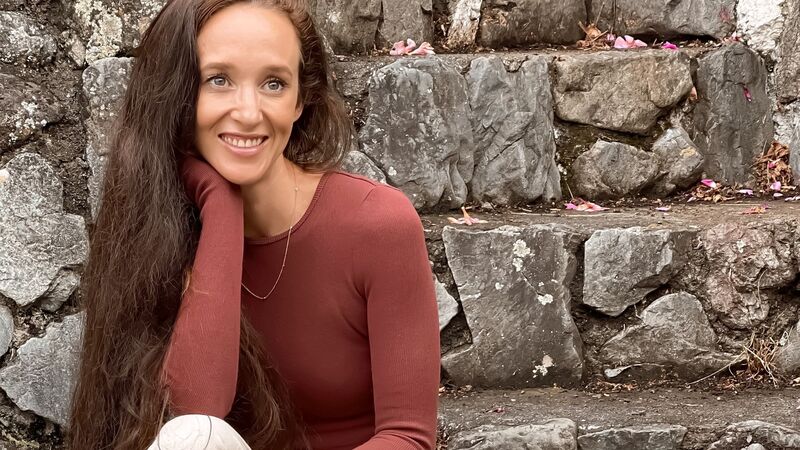
Writing for the Guardian, Toby Litt called arts journalist Charlotte Runcie’s debut Bring the House Down (The Borough Press) a “entertaining and very timely” novel. The story follows solo performance artist Hayley Sinclair who spends the night with critic Alex Lyons only to wake up the next morning and read Lyons’ “eviscerating, career-ending words he has written about her”. Hayley promptly turns her one-night-stand into “The Alex Lyons Experience”, retelling her meeting with Alex and inviting “other women to share the appalling things Alex or other Alex-like men have done to them”. Bring the House Down is “one of the most enjoyable novels I’ve read in a long time”, wrote Litt who praised Runcie’s “verbal wit, narrative chops and emotional subtlety”. The Bookseller’s Lauren Brown selected Runcie’s novel as the June book of the month, calling it a “biting, witty novel brimming with righteous feminine fury”.
The Blood in Winter: A Nation Descends, 1642 (Bloomsbury), the “energetic and exceptional history” by Jonathan Healey about the lead-up to the English Civil War, was hailed by the Telegraph’s Daniel Brooks. “The particularly novel parts of Healey’s tale show us how common people were well aware of the vicissitudes of royal fortune, and reflect how ideological splintering in the halls of power was felt throughout England long before the battle-lines were drawn,” wrote Brooks. The review concluded: “Don’t be fooled by the book’s lugubrious subtitle. This is a rollicking history, packed with fire and excitement.”
The Financial Times and the Guardian published their recommended summer reading lists. Chimamanda Ngozi Adichie’s Dream Count (Fourth Estate) was included in both. Of the novel, the Financial Times’ Maria Crawford wrote: “In fiercely intelligent writing, Adichie builds a convincing case for the power of female friendship”. Flesh (Jonathan Cape) by David Szalay was also picked by both newspapers.
Nussaibah Younis’ Women’s Prize-shortlisted novel Fundamentally (Orion) was highlighted in the Guardian’s fiction list alongside The Land in Winter (Sceptre) by Andrew Miller, Gunk (Bloomsbury) by Saba Sams, The Benefactors (Sceptre) by Wendy Erskine, Our Evenings (Picador) by Alan Hollinghurst and Jessica Stanley’s Consider Yourself Kissed (Hutchinson Heinemann).
Curtis Sittenfeld’s Show Don’t Tell (Doubleday) was selected by Crawford for the Financial Times alongside Natasha Brown’s Gold (Faber) and Catherine Airey’s Confessions (Viking).