
You are viewing your 1 free article this month.
Sign in to make the most of your access to expert book trade coverage.
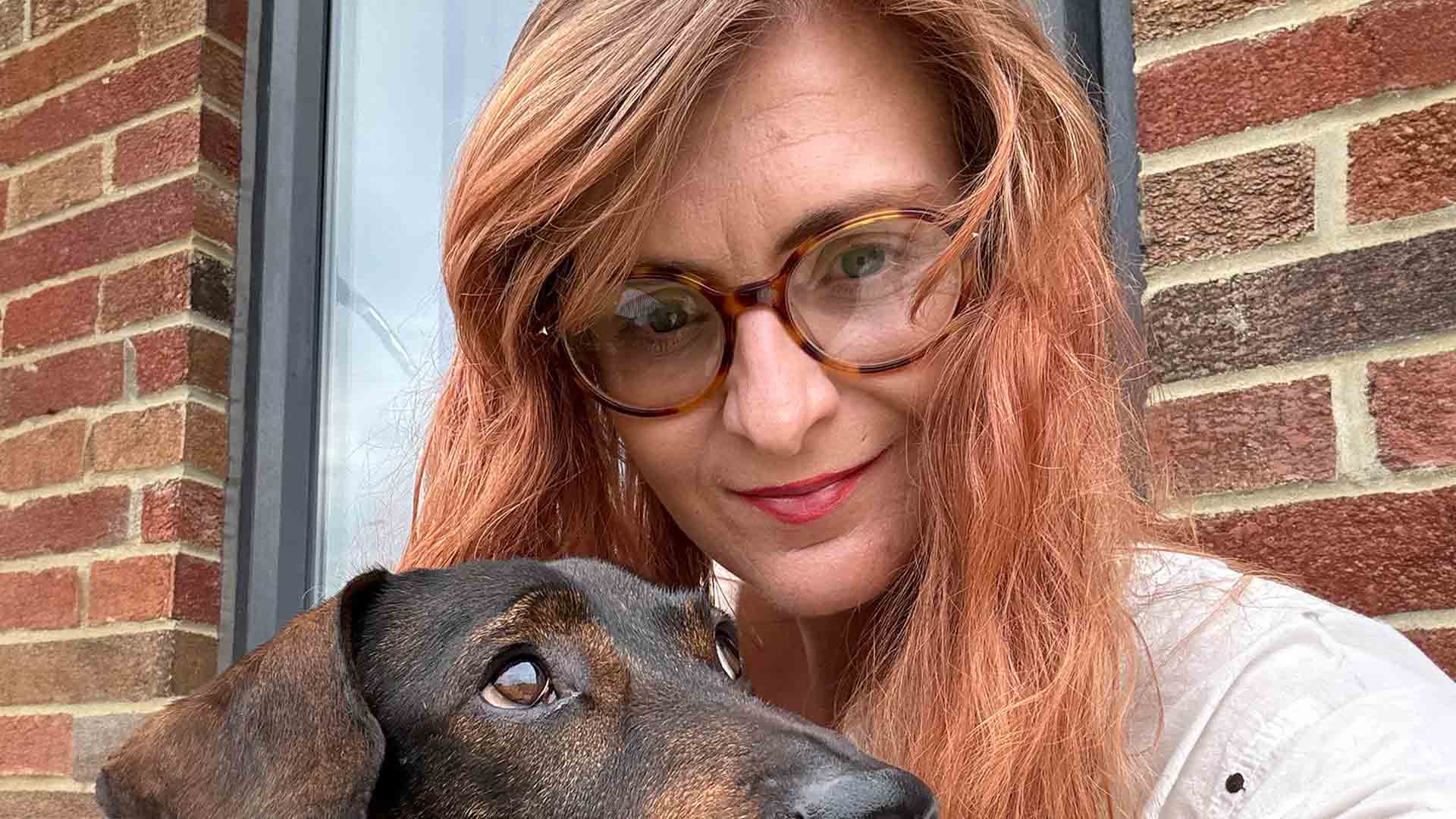
Ramping Up Rights by author, journalist and campaigner Charlton-Dailey lifts the lid on the hidden history of disability rights.
“I was known for fighting against the government in my journalism, but I didn’t really know much about the activism that’d come before me,” says journalist Rachel Charlton-Dailey, whose book Ramping Up Rights, covering the history of disability activism in the UK, is out in July.
Hailing from Sunderland, where she still lives, Charlton-Dailey switched from a teaching-assistant career to fashion blogging following a breakdown. “Blogging was an escape from illness and disability, something I still hadn’t accepted, so I didn’t start writing about disability until about 2014 or 2015.” Charlton-Dailey made the change because “disabled stories are only ever told in the media when they’re inspirational (like the Paralympians), when it’s mining our deepest trauma or when [the disabled] are being brought down and labelled a drain on society”.
Her freelance articles for publications, including Metro, the Independent and Digital Spy, were about her experience of disability before she moved on to the portrayal of disability on TV and film and the way disabled women in particular are treated in healthcare.
When the Covid-19 pandemic hit, she became increasingly frustrated at the way disability was being portrayed in the British media along with mainstream media’s reluctance to publish stories from the disabled community. To counteract this, she founded The Unwritten, an “independent platform for disabled people to share their own stories and write about the things that mattered to them without it being distorted for the non-disabled lens”.
In 2021, the website won Charlton-Dailey a British Journalism Award, which she describes as “one of the proudest moments of my life because it felt like all the people who’d essentially told me our stories weren’t newsworthy were forced to pay attention”. After she decided to close the site in 2023, she ran the Daily Mirror’s Disabled Britain series, regularly appeared on LBC and BBC Radio 5 and continues writing for the Canary.
Continues...
The light-bulb moment for Ramping Up Rights came when she was asked to speak at the National Education Union’s disabled members’ conference, appearing with disability-rights legend Barbara Lisicki. “While it felt incredible to share a stage with such an incredible woman, I realised just how little I knew about disability-rights history. When I went searching for things to read to educate myself, I realised there wasn’t a book that spanned decades about the Disability Rights Movement.”
Disability history is not taught in schools, meaning there is little awareness of the Disability Rights Movement. “Incredible stories of all of the different ways our rights were won aren’t told and it means more and more generations of disabled people grow up not knowing what others who came before us did so they can have the rights they have .
This argument is deeply relevant in our present political situation, where the government is proposing severe restrictions on eligibility for disability benefits. “One thing that really shocked me when writing the book was how clear the link is between the way the government and the media has written the narrative on disability and the way we’re treated as disposable,” Charlton-Dailey says.
When asked what she hopes Ramping Up Rights will achieve, Charlton-Dailey replies: “I want people to read it and feel empowered to join our fight and learn that there is a fight to join. I want disability rights history to be more widely taught and focused on; the absolute dream would be if it was taught in schools. More than anything, I just want disabled people to feel less alone and know that no matter how hard the world gets and how much the government tries to destroy us, disabled activists will always fight for them.”