






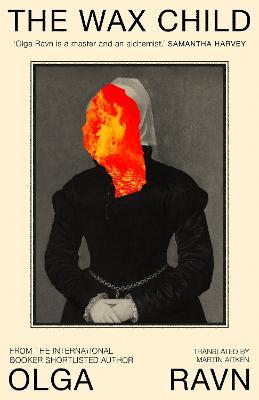
The Wax Child
Olga Ravn, Martin Aitken (trans)
I wish I could bottle the experience of reading this utterly strange, mesmeric, eerie, short masterpiece about witchcraft, whose revelatory language and sheer inventiveness put me in mind of Anne Carson (Ravn mentions in her author’s note that she “obliquely references” Carson’s poem The Glass Essay in the novel) and the nightmarish folklore of the film Midsommar. Avid readers will know that quickening of the heartbeat, the hitched breath, that reader’s brand of goosebumps elicited by the realisation that whatever it is we are looking for when we read, the thing in our hands has it – that strange, in this case dark, magic.
Set in 1620 and based on the true story of an infamous Danish witch trial, this searingly original novel is told from the haunting perspective of a wax doll crafted by a noblewoman called Christenze, later accused, alongside others, of witchcraft. “I am an image,” the wax child says, “in the absence of a child.” With eyes and ears that cannot open and by turns buried in the soil or carried in the crook of an arm, it nevertheless listens and observes, revealing a frightening, sensual vision of a time when witches were as real in the human imagination as the air we breathed.



Most Read
The most popular pages across the site


