





You are viewing your 1 free article this month.
Sign in to make the most of your access to expert book trade coverage.
EUDR amended to remove all printed products from regulations


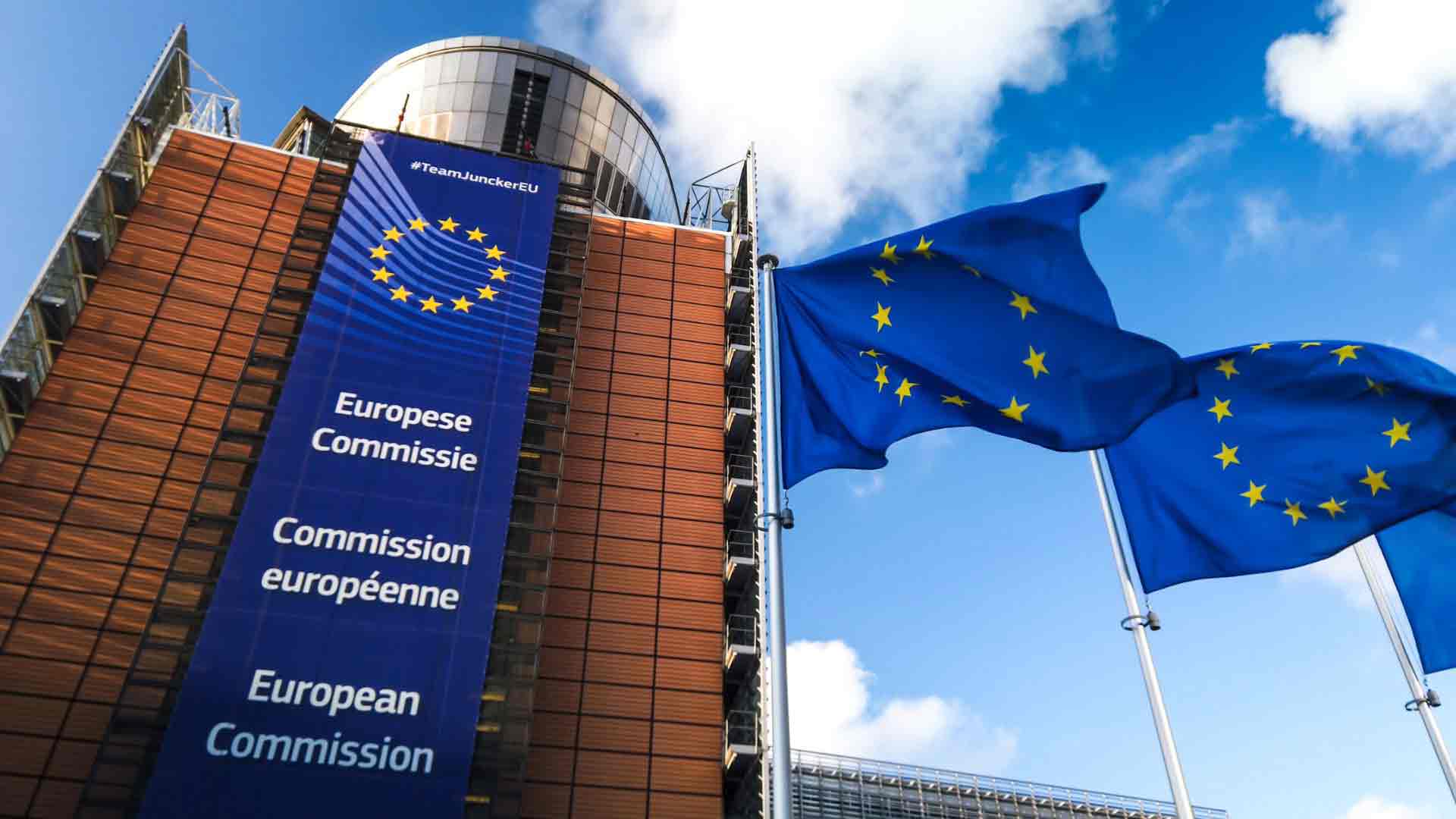
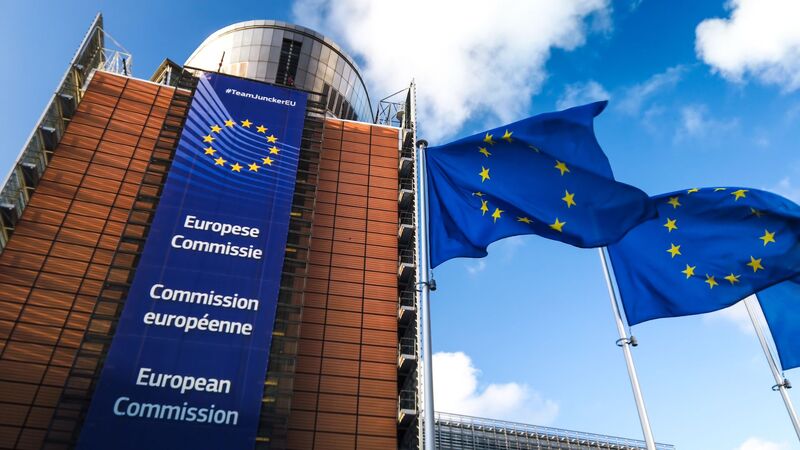
The European Parliament has today voted to approve an amendment to the EU Deforestation Regulations (EUDR) to remove all printed products from the scope of the regulations, including books, journals, newspapers and magazines. The amendment passed with 449 votes in favour, 202 against. This will now need to be agreed between the Parliament, Council and Commission in December.
A statement from the Booksellers Association said: “The Booksellers Association is delighted – particularly on behalf of our bookshop members in Ireland – at the amendment approval for paper products to be exempted for EUDR legislation. We’ve been working closely and persistently with the European Booksellers Federation and the coalition of European bodies, including FEP and others, on the books exemption, and our Irish bookseller members have been proactively lobbying Irish MEPs in the last few days to ensure we got the votes needed for the amendment to pass. 10% of our members, representing around 200 bookshops, are in Ireland and we have been extremely concerned at the existential threat the regulation represented for the supply of books into the Republic of Ireland from Britain, the US and the wider world.
"The complexities and burden of EUDR for Irish book retailers was potentially catastrophic, and we have to now hope for both a postponement when the EU Parliament and the EU Council negotiate the final version of the legislation, and for the passing of the amendment. It will be a fabulous Christmas present for the book industry generally – and especially for Irish booksellers – if this all passes and we remain committed to doing all in our power to make this happen.”
The new regulations were due to be brought in on 30th December this year, but in September were proposed to be delayed for a second time. The regulations would mean importers of palm oil, coffee, cocoa, cattle, timber and rubber would have to demonstrate that the materials had not been produced on deforested land in order to be sold on the bloc’s market. This was due to affect publishers and distributors importing into the EU, and was expected to have a significant impact on British and Irish publishers. The decision to delay, was set to be voted on by the EU parliament.
Fabian Paagman, president of the European & International Booksellers Federation (EIBF) said: “Today’s vote is a strong signal that the European Parliament recognises the essential role books and bookshops play in our cultural and democratic life. We fully support the EU’s environmental goals, but regulations must remain proportionate and workable. By excluding printed products, the European Parliament has ensured that the EU can protect forests without restricting citizens’ access to books, knowledge and diverse voices. We now call on the Council to, without delay, recognise and confirm this crucial amendment during the trilogues.”
The EIBF urged the Council to "swiftly confirm this necessary amendment, safeguarding EU citizens’ access to literature, information and culture".
Continues..
Read More



The Publishers Association (PA) also called the vote a "welcome moment for the publishing sector". Dan Conway, CEO of the PA, said: "This common sense support by the European Parliament to exclude books from the EUDR legislation recognises the complexity of book production and distribution compared to simpler, single origin commodities for which the legislation was conceived. Our members’ commitment to a greener, cleaner and more sustainable publishing industry remains unwavering. The passing of this amendment – which we hope will be agreed with the European Council and Commission shortly – will enable publishers to redouble their efforts on other areas where significant gains can be made.
“The Publishers Association called for changes to EUDR with our government and through our partners in the Federation of European Publishers (FEP). We would like to thank FEP for [its] tireless efforts in making the case for a change to the proposed legislation, and for the support of other European publishing trade bodies in helping the UK to make our case in the EU.”
The FEP also called the decision a "welcome step", however added that "it fails to recognise the specific and complex production and distribution chains of printed products". Sonia Draga, FEP president, added: "Books are so far down the supply chain that the information requirements and overall administrative burden would be dramatically disproportionate. In addition, millions of books would have risked destruction because the Regulation would prevent their import into the EU – a disastrous outcome made even more absurd as the consequence of legislation intended to protect the world’s forests.
"Many more books and journals would be prevented from entering the EU, thus severely limiting the possibility for libraries to acquire content from outside the EU – with a very detrimental impact, especially for science and research in Europe. Books are already sustainable; they are generally produced from certified, to a large part recycled, or sustainably managed sources. They are sources of content and information and should not be treated as commodities. Including them in the EUDR adds red tape but no measurable environmental benefit. FEP calls on the co-legislators to sustain this removal."