







Books on Podcasts: 'I haven't been this excited about a book in quite a while,' says Terry Deary


This week, listeners heard Terry Deary discuss his lifelong love of crime-writing and his latest book, while Elif Shafak appeared on the Take Four podcast following her win at Hay Festival.
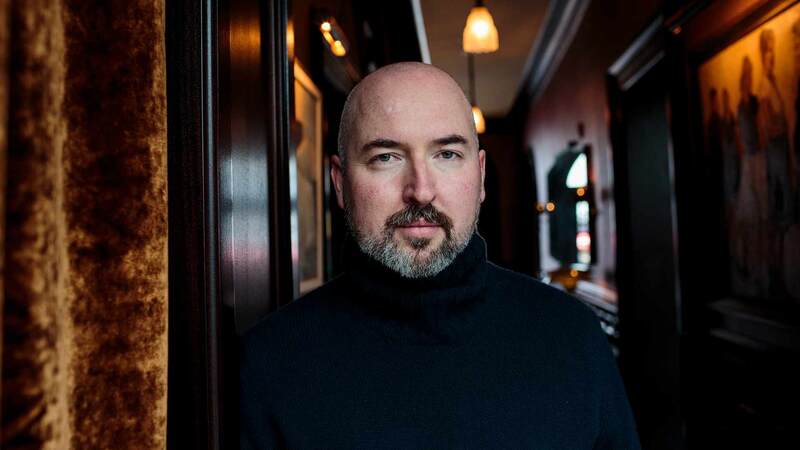
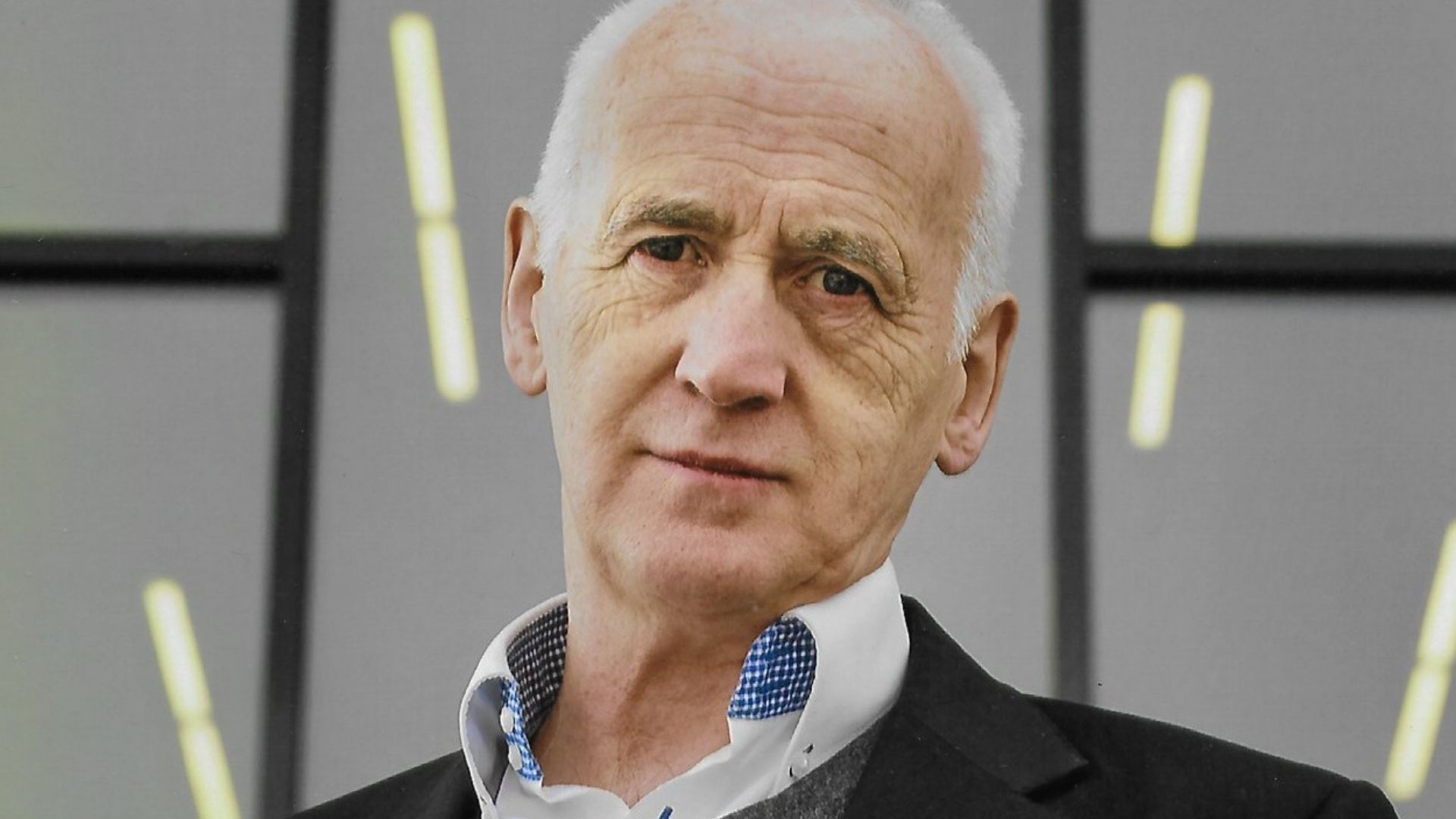
Author of the Horrible Histories books Deary has turned his pen to crime-writing with Actually, I’m A Murderer (Constable). On the Waterstones podcast, Deary said that crime stories have "absolutely, always" been his interest for "about 40 or 50 years".
The inspiration for the novel was taken from an event in 1974 when Deary got a late train back from London to Wales, where he was working as an actor: "It was sort of an overnight train. There were as just four of us in the compartment and we began to chat about what we did...[Later] I thought what would happen if someone in the carriage said: ‘Actually, I’m a murderer.’"
He added: "Before my career ends, the one last great thing I can do is publish the sort of book that I would want to read. I must do a murder mystery. I haven’t been this excited about a book coming out in quite a while."
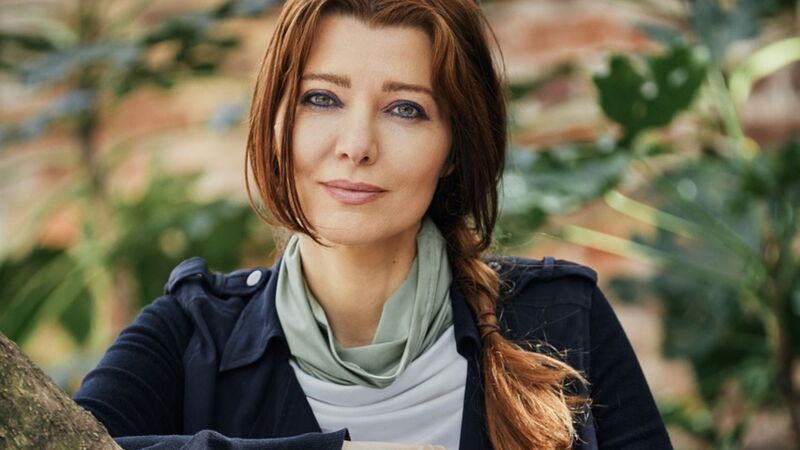
In the latest episode of the Take Four Books podcast, recorded at Hay Festival, British-Turkish author Shafak took to the mic shortly after being awarded the medal for prose. Shafak spoke to host James Crawford about There Are Rivers in the Sky (Penguin). At the beginning of the novel, Shafak describes the "peculiar make-up" of a water molecule and so Crawford posed the question: "Before any people came into [the novel], did you see water as the main character?"
Shafak responded: "Maybe I see this entire novel as a love letter to water. I say this as a writer who comes from a part of the world where water scarcity is not some hypothetical question but an acute reality. Today, out of the 10 most water-stressed countries in the world, seven are in the Middle East and north Africa. Basically what that means is that our rivers are dying, our rivers are drying up. I think this has massive consequences for everyone, particularly women, children, the poor.
"Women are usually water carriers, they bring water to their communities, and when there is no water nearby, the distance the young woman has to walk increases and this increases the possibility for gender violence. In our minds we tend to put these things in different boxes: ‘Here is the box for climate crisis, here is the box for water scarcity, here is box for gender inequality.’ But in life, everything is interconnected and I think a drop of water reminds us that we too are deeply interconnected."
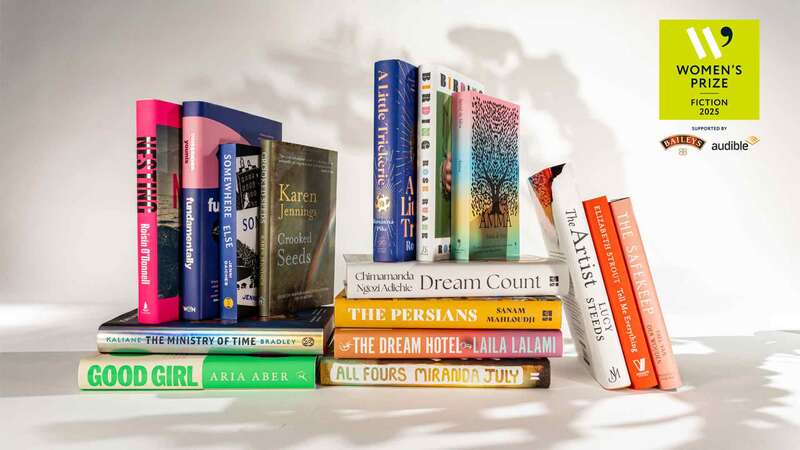
On the A Pair of Bookends podcast, host Hannah MacDonald interviewed Jenni Daiches, who was longlisted for the Women’s Prize for Fiction 2025 for Somewhere Else (Scotland Street Press). The novel follows Rosa from the age of five to 100, charting the generations of her family and the experience of being a Judeo-Scottish women during two World Wars.
Rosa was inspired, in part, explained Daiche, by a GP she visited earlier in her life. "Dr Rosalie Paul was my GP, this was quite a long way back... but I was fascinated when I learnt a little about her own history. She was a pioneer in women’s health and support and my encounters with her made me think that this was something Rosa could be involved in."