




Books on BookTok: 'AI might be able to write a book that sells, but I am not convinced it can write a book that matters'



This week BookTok creators reflected on how the online community would respond to an AI-authored novel.
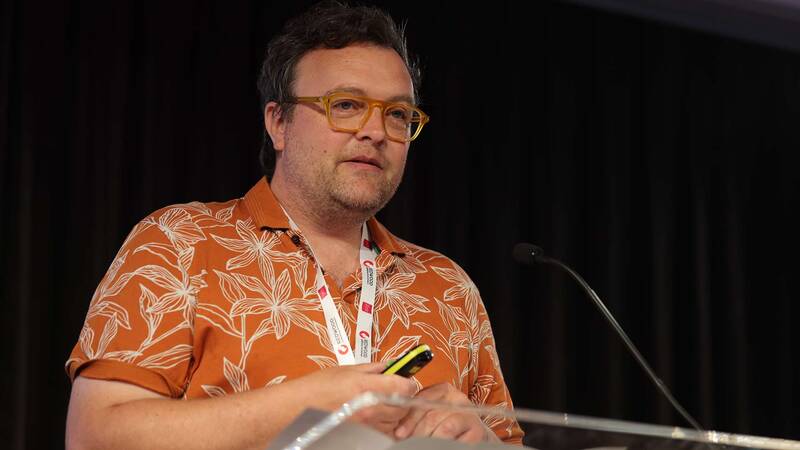
During his talk at The Bookseller’s Marketing and Publicity Conference 2025, NielsenIQ BookData’s head of publisher account management Philip Stone said AI will “likely” produce a bestselling book by 2030. When I put this to the creators, the opinion was split. Emily (@emilymiahreads; 90,100 followers) believes AI “will have the capacity eventually” to make a bestseller and Rebecca (@acourtofspicybooks; 78,000 followers) agreed that it will “likely soon, if not already, have the capacity to generate a bestselling book”. Evie (@eviemaddaloni; 4,091 followers) believes that if the AI authorship were not disclosed then the book would have the potential to sell well: “I think AI could churn out a bestseller through pattern recognition and cherry-picking writing styles, absolutely.” Sanziana-Dana, who works in AI public policy (@sanzireads; 3,375 followers), said: “Generative AI could have the capacity to write a bestselling book if the data it uses is bestseller material. Now, whether that will actually be possible remains to be seen given the drive to create a fairer regulatory framework that compensates copyright holders and enables them to opt out from their material being used for training purposes. Generative AI may not have the training data needed [to create] a bestseller.”
For Suraka (@surakajanebooks; 17,000 followers), AI could produce a bestseller but only in a “completely technical way”, explaining that: “AI can mimic structures and tropes well enough to hit narrative beats, but to write a book that will resonate with readers and spark real conversation, that’s different. Bestsellers are not always these well-crafted, perfectly written books. They are timely, emotionally intelligent and often deeply personal. AI might be able to write a book that sells, but I am not convinced it can write a book that matters.”
Brittany (@whatbritreads; 58,300 folllowers) echoed Suraka’s sentiment: “AI writing is robotic and emotionless. It reads like a monotone. People connect to stories on an emotional and personal level – a human level, which is something a robot cannot replicate in any meaningful way. I doubt it could write something worth reading that would be captivating.”
However, there would not be a homogeneous condemnation for an AI-authored novel on BookTok. “There are plenty of people in the BookTok community who aren’t bothered by the use of AI and its consequences,” said Brittany. Busayo (@compulsivebookbuyers; 27,000 followers) said the response would be “polarising – there are people on BookTok who are happy to just read a book for the entertainment value and don’t think about the harm that can be caused by AI”. Evie agreed: “I wouldn’t be surprised to see people happily pick up and promote an AI-written book.” Busayo added: “I think we can forget that even though BookTok is a huge place on the internet… there are a lot of readers and [particularly] parents who are not on BookTok and who may pick up a book that is popular when they don’t know the discourse around it.” The use of BookTok as an educational space as well as a book recommendation community was also mentioned by Rebecca. There are readers, she outlined, with no social media presence or engagement in online communities “that would be largely unaware of how to recognise AI in the books they pick up at bookshops”.
Continues…
Read More
Suraka has noted a “curiosity around what AI can do in general, but the emotional heart of BookTok lies very much in authentic connection”. She continued: “I feel like an AI-authored book is going to be met with skepticism and, honestly, outright rejection… I would hope that a book without a human behind it would struggle to gain traction in any positive way.” Creative AI “has a very bad reputation on TikTok”, said Emily. Sanziana-Dana agreed: “We’re already seeing huge discontent around the use of generative AI for book-related purposes, be it for book covers or character art.” Brittany’s side of BookTok “would absolutely not engage” with an AI-authored book. “The only posts you would see around an AI-authored book would be negativity… [AI] feels lazy. It’s destroying the planet and it’s removing the integrity and emotion from the art. Anyone reading, recommending or promoting an AI-authored book, even partially, would be criticised for it.”
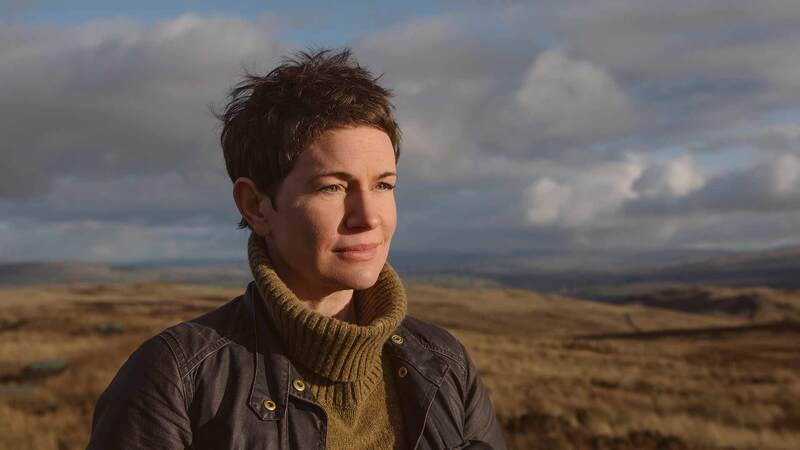
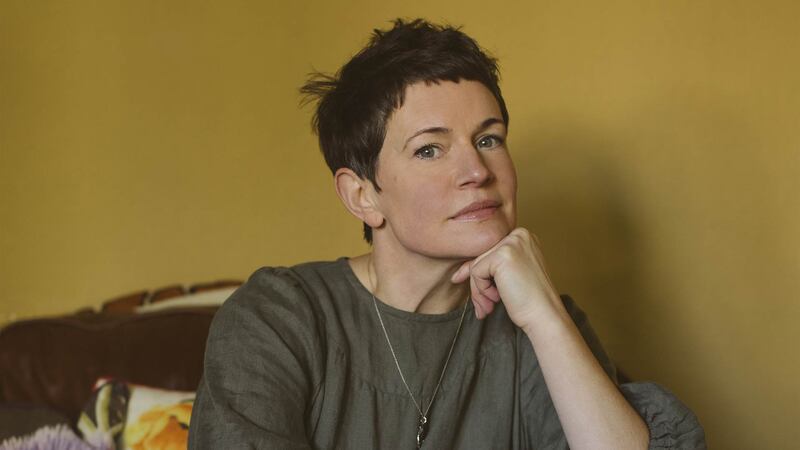
Faber recently announced it would be including a “human authored” stamp on Sarah Hall’s new novel, Helm. For Evie, this “clearly communicates the publisher’s stance against AI” and believes it is a “great way to increase attention and education on the topic”. More broadly, Busayo “absolutely” believes that publishers and authors need to begin specifying whether a book is authored by a human. Suraka agrees that as “time goes on it’s going to become increasingly important”. Both she and Brittany wrote that “transparency” is paramount. People deserve to know who and what they are spending their money on, especially “when books are expensive as they are at the moment” and the cost of living is a concern for many, said Brittany.
Rebecca took a different approach, believing that “publishers and authors should disclose any use of generative AI in publishing and not the other way around where titles need to defend themselves as human written. Human-authored art and literature should be the norm, not the exception”. Sanziana-Dana thinks the question as to what “entirely human authored means” is “difficult”. She explains: “Are we saying that using tools like Grammarly or [Microsoft] Copilot to reword or rephrase sentences discounts a book from being counted as ‘authored entirely by a human’? If not, what is the threshold for when a book goes from ‘human written’ to ‘written with AI’?… I do think watermarking can be a helpful tool to distinguish where AI has played a role – it just depends on what we decide the threshold will be.”