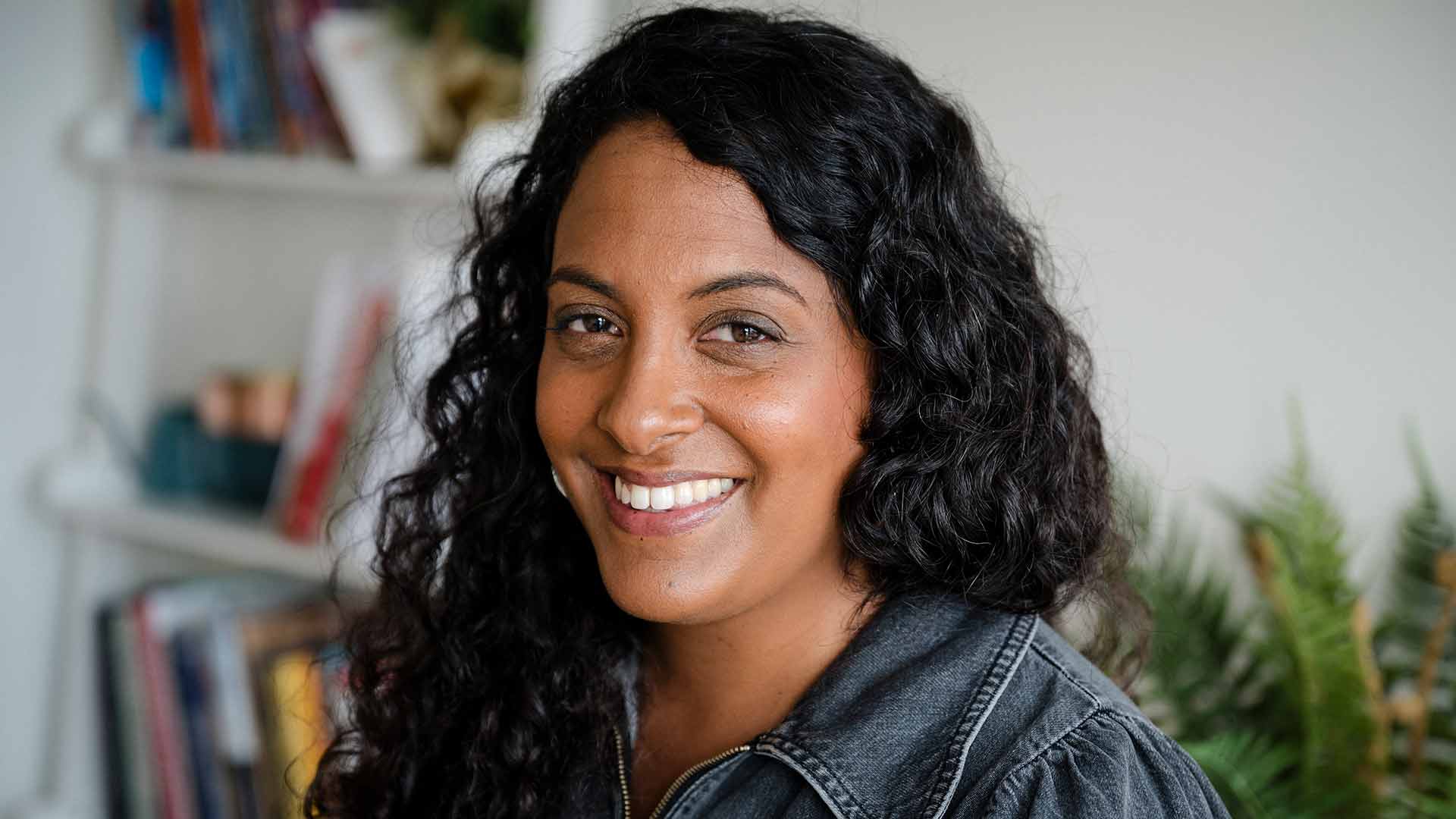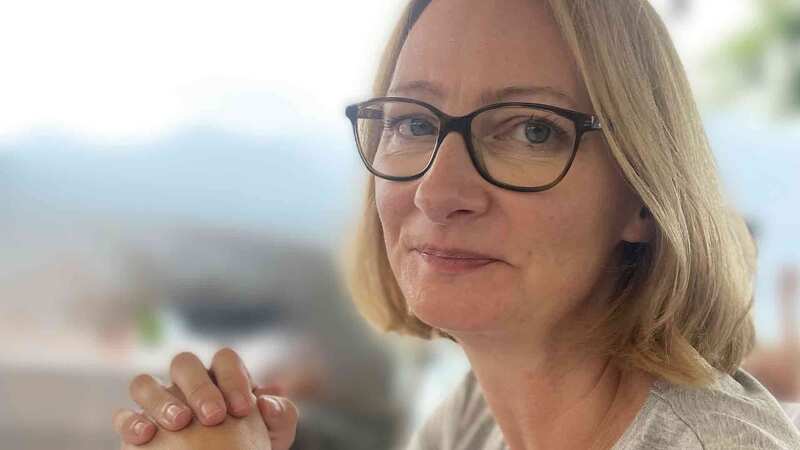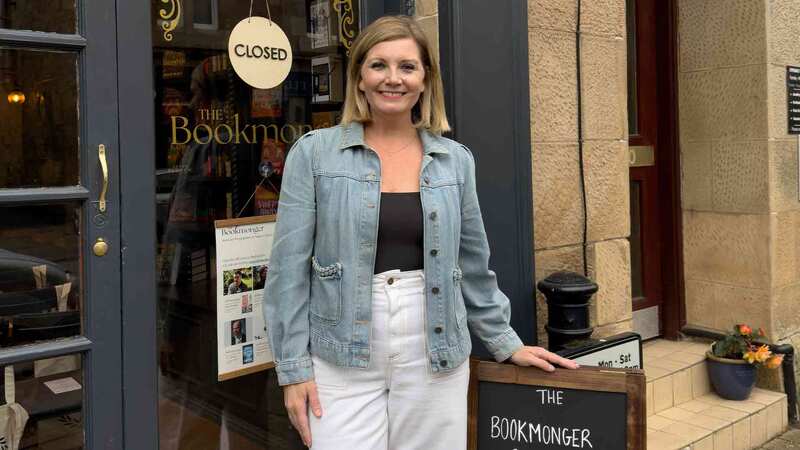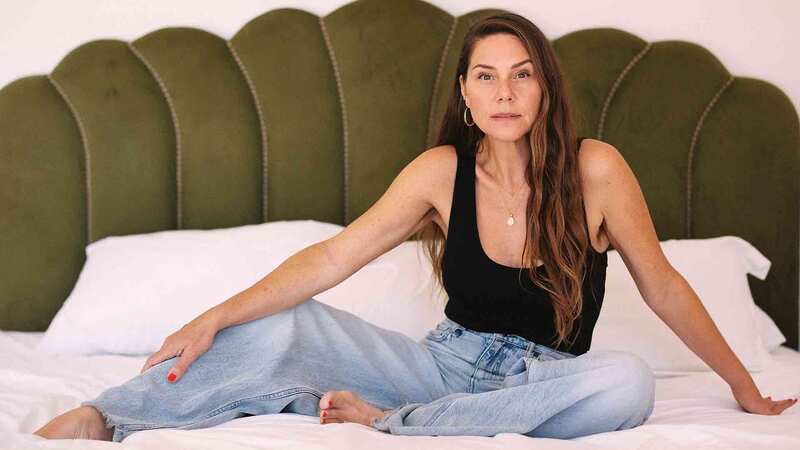

CAA book-to-screen specialists Michelle Kroes and Yasmin McDonald see opportunity in adaptations.
At the close of last year’s London Book Fair, The Bookseller Daily signed off from Olympia with a lead story reporting that the 2024 edition was marked by a “film and TV deluge” as American production companies in particular were driving an “increased excitement around adaptations of books content”. Twelve months on, does that assessment still stand up? Or was it some sort of end-of-the-fair fever dream?
Two books-to-screen rights traders who have their ears to the ground in the sector are Michelle Kroes, the former scout who has now spent a dozen years at CAA, first in LA and New York and now London; and her colleague Yasmin McDonald, who joined the Hollywood-headquartered firm’s rapidly expanding London office in 2024 after 11 years at United Agents. Both, by and large, are bullish on the current landscape.
McDonald says: “We have to acknowledge that the industry has been through some pretty tough events over the course of the past two or three years, and that has caused producers to be very selective about what they’re optioning. But it still feels like the appetite for books is enormous.”
Kroes picks up the thread: “People are very actively reading, optioning and eager to get in the business of story; especially since the end of last year to now, it’s been extraordinarily active… we’ve just signed two massive deals that haven’t been announced yet. One was an outright purchase, the other an option that felt like an outright purchase in the sense it was several figures. So these instances show there’s money in the market, in spite of what the messaging [about caution] is. The reality is that producers and studios are active and they’re buying.”
Just before the three of us sat down to speak, there were a flurry of stories in the film/TV trades and the wider media about upcoming across-the-board deep cuts in budgets to the big UK commissioners, including the BBC, ITV, Sky and Channel 4. But this was countered somewhat by Hollywood money pouring into Britain – the British Film Institute’s annual report, released in February, said that a near-record £5.6bn was spent on film and “high-end” TV production in the UK last year. So, parochially, what conclusions can be drawn from these somewhat mixed messages about the prospect of Blighty’s homegrown authors making it to the screen?
McDonald says: “First, I think [UK production companies] had something of an inflated budget for a few years, and there was always a sense that the bubble was going to burst. So, yes, there is an undoubted slowdown on this side of the pond; it’s simply harder to get things made with just UK money. But shrinking budgets doesn’t necessarily translate to a huge reduction in commissioning. We’ve had a long history in this country of really talented producers making it work on a certain budget level; [UK productions] don’t necessarily need $10m per episode.
“And this hasn’t been reflected in less of an appetite for books, precisely because our IP is reassuring to commissioners: it potentially brings an audience, a framework, a really clear way of marketing the project and a high level of creatives who are attracted to the material.”
Continues…
Kroes and McDonald have been speaking about the commissioning climate in general, but CAA in particular has had a pretty good time of it of late. Of course, the books side of the agency does have an enormous advantage of being linked with one of Hollywood’s biggest talent firms. McDonald says that since the start of 2023, CAA has closed on 500 option or acquisitions deals and she adds that “the total number of books under option may be quite a bit higher as there will still be active deals from further back”.
Both agents concede that optioning a work is the first step and, obviously, many options never get green-lit. Kroes suggests that’s where CAA might have an edge over many other agencies. “It’s really difficult for authors if an option doesn’t go forward,” she says. “But what we try to do from the outset is get the best writers, directors and talents on board so that it can find its clearest path to getting made. I think that we have a higher success rate, because we do have all of this access and resources and, hopefully, the vision to make it happen.”
A mere handful of CAA projects in the pipeline across the agency includes the recently announced deal in which Starz snapped up Miranda July’s All Fours; Holly Brickley’s debut novel Deep Cuts, which just added Saoirse Ronan and Austin Butler to the movie’s cast; the Apple TV+ adaptation of Rufi Thorpe’s Margo’s Got Money Troubles, which will star Nicole Kidman and Elle Fanning; an upcoming film of Tomi Adeyemi’s YA fantasy Children of Blood and Bone; and UK-based Carnival Films snapping up Paul Murray’s Booker shortlistee The Bee Sting, the last of which was one of McDonald’s first deals when she moved over to CAA.
CAA deals that hit our screens over the past couple of years include Delia Owens’ Where the Crawdads Sing, Percival Everett’s Erasure (onscreen name American Fiction), Jenny Han’s The Summer I Turned Pretty and David Grann’s Killers of the Flower Moon.
McDonald concedes that CAA’s Hollywood might is an advantage but stresses there is a virtuous circle across the firm. She explains: “The real benefit that Michelle and I have here in the London office is sitting among a world-class translation team who are hugely knowledgeable about trends in other markets [CAA’s global books foreign rights department is based in the UK]. This is hugely valuable to us, not only in relation to the incredible CAA authors that we represent on behalf of our colleagues, but also to the relationships we are building by representing authors on behalf of agencies in other territories.”
One of the exciting aspects of the market at the moment is that adaptations are far less frontlist-driven, with production companies now open to exploring decades-old IP. This is not a CAA project, but perhaps Bridgerton is the ultimate example of recent success, with the Shondaland-produced Netflix hit appearing 20 years (and several options) after Julia Quinn’s first book in the series. “There is definitely more receptivity to older books. It used to be that producers were looking for the heat-seeking missiles and focused on new, new, new. But I think there is now an understanding that there are these gems out there, you just need to unearth them.”