






You are viewing your 1 free article this month.
Sign in to make the most of your access to expert book trade coverage.
Trust in nature
The Salt Path scandal shows how problematic "the nature cure" narrative can be.


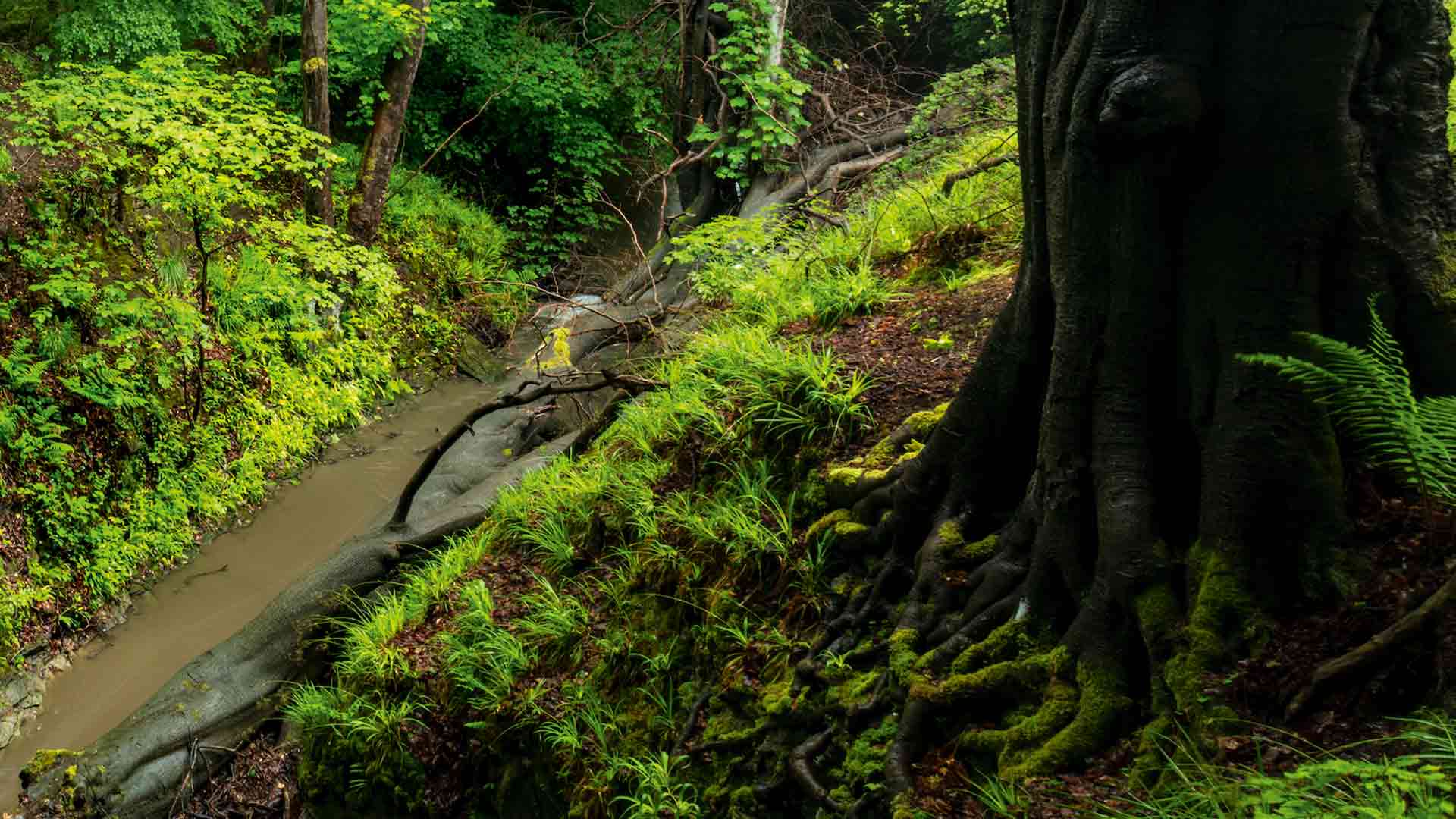
This week’s controversy over Raynor Winn’s The Salt Path has raised many questions about the prevalence of the "nature cure" narrative in nature writing and the veracity of memoir. And while there is nothing new in the suggestion that a story billed as "unflinchingly honest" may not be as truthful as it claimed, what is of concern is how this will negatively impact those living with chronic illnesses and those who have found solace and hope in nature.
There has been a boom in the past decade in bestselling and highly acclaimed memoirs that explore how our natural environments can help heal grief, soften pain or support us in coping with tragedy. But when the idea of nature as a cure becomes the predominant narrative, it encourages readers to expect a redemption story. The Observer investigation has also raised questions over Moth’s rare neurological condition in The Salt Path. Any implication that spending time in nature can somehow offer a transformation and recovery compounds the message that illnesses simply require mental and physical determination to be overcome. The profusion of these stories in memoir and the media undermines the reality of many people living with a disability or chronic illness. They privilege the narrative arc of "diagnosis – illness – recovery" over those stories dealing with the actuality of living with an ongoing condition.
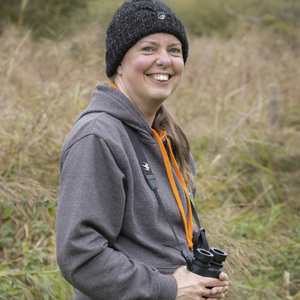
In writing about my own experiences in my nature memoir, Land Beneath the Waves, I wanted to explore the gaslighting regularly faced by many people with conditions such as ME/CFS and adenomyosis (similar to endometriosis). I also wanted to reflect on how my relationship with the natural world has supported me through my life and brought me joy – alongside grief and anger – but not cured me. As someone who grew up with a chronically ill mother and who now lives with chronic illness as an adult, I have experienced disbelief and scepticism from others – both medical professionals and laypeople – towards those with "invisible" conditions. I know how much damage can be caused by being repeatedly told your condition is “all in your head”.
Such extraordinary tales undermine the more common experiences of people whose relationships with the natural world can help support them through many years of disability or chronic illness
My mum waited decades for a diagnosis with ME/CFS and was thought to be lazy by those around her. When she was in her 20s, after another set of hospital tests came back with no indication of medical problems, she was classed as a malingerer and told to get out of the hospital. Even after her diagnosis of myalgic encephalomyelitis in the late 1970s, she regularly experienced dismissive attitudes towards her illness from doctors and others. As I researched my childhood while writing my memoir, I began to feel angry about the systematic neglect that we both experienced.
When I was diagnosed with coeliac disease (which causes me to have energy-limiting issues) and adenomyosis as an adult, I found it extremely triggering. I escaped into the natural world when I was well, as I had in childhood, using it as a sanctuary where I could hide from the reality of the situation. It wasn’t until I had counselling and wrote my memoir that I began to face up to chronic illness. Instead of an escape, my local water meadows and woodland became somewhere I could spend time in an environment where I felt at home. I began to accept who I was and take a new pride in coping with life as well as I did.
For me, the power of nature lies in developing a meaningful relationship with the local landscape and wildlife. Even when I cannot get out of the house or out of bed, seeing a red kite (a symbol of freedom and hope in my book) fly past my window or hearing goldfinches singing lifts my spirits and reminds me there is a world outside that I will be able to access when I feel a bit better. When I am well enough, I volunteer with the Wildlife Trust and I have helped set up a Nature Network community group, with the intention of giving back to the local places that mean so much to me. This reciprocity is part of what makes my relationship with nature so sustaining.
I’d love to see more stories about these ongoing relationships – both with chronic illness and the natural world. I believe they are far more representative of many people’s real lives than the "nature cure" narrative. The latter might be more sensational, but such extraordinary tales undermine the more common experiences of people whose relationships with the natural world can help support them through many years of disability or chronic illness. We can only hope that readers will continue to trust in our stories.