





Self-published authors can have standout publicity campaigns, too
Indie authors may think that an effective publicity campaign is out of their reach. Think again.


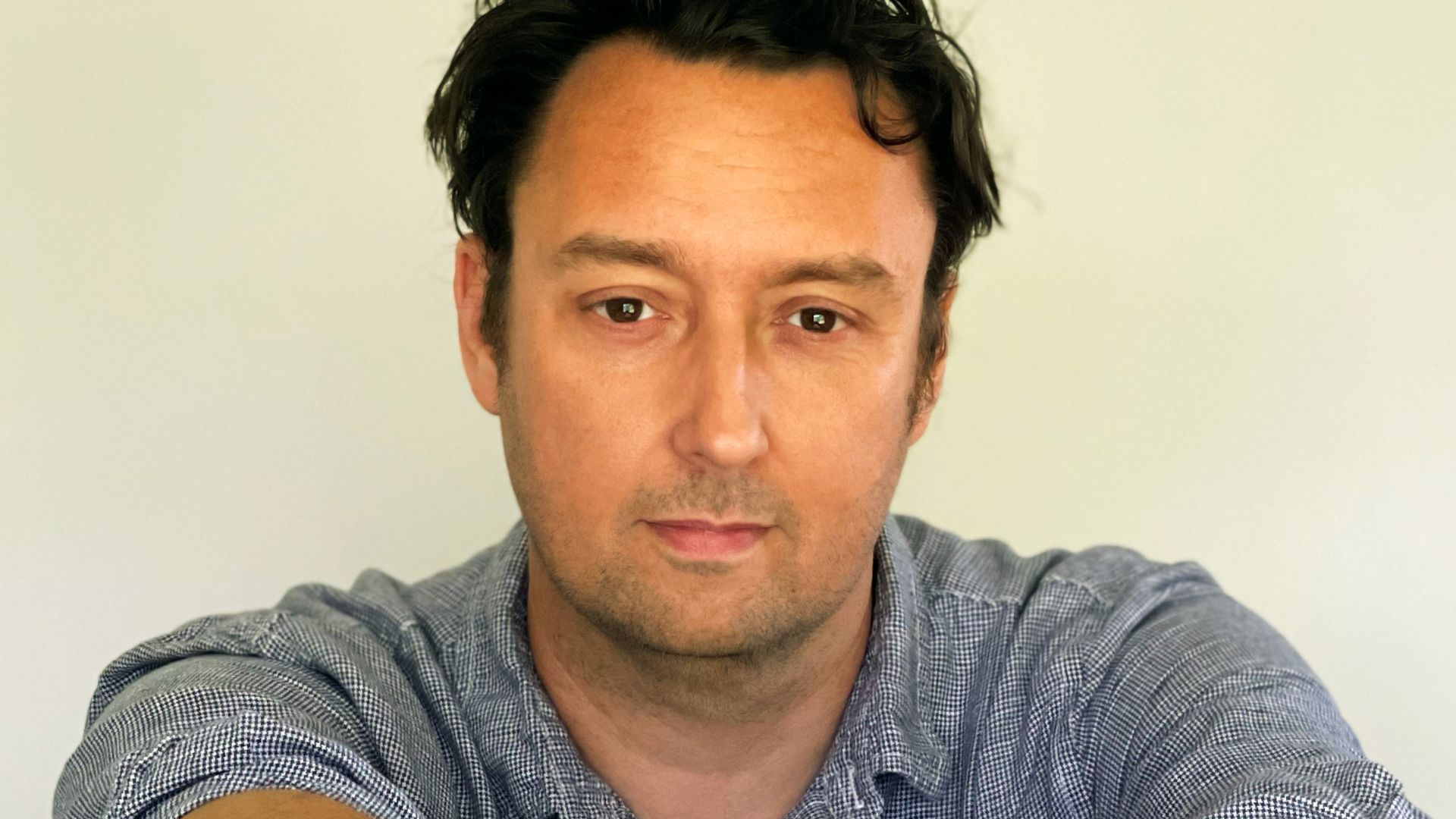
I have been working as a book publicist for 20 years. Starting out at a small independent publisher, I then moved to Hachette, and for the past decade I’ve worked as a freelancer. In that time, books coverage in the media has changed irrevocably.
The big-name authors and celebrity writers, who top the bestseller lists throughout the year, must now contend with smaller review space and reduced books coverage generally. Paywalls block reader access to interviews and features across national newspapers and digital magazines. Editors crave sensationalist content and clickbait headlines. Meanwhile, authors are encouraged to perpetually create content to share across their social media platforms. Devising and executing a successful book publicity campaign has never been more challenging. But what about self-published authors? They must face all of these challenges, but without a dedicated in-house publicist offering their support, time, knowledge and expertise.
Self-publishing is transforming the book industry, but independent authors face huge obstacles when it comes to PR. Writing and publishing a book alone is a minefield. But in launching a book these writers must persuade influential readers to engage with it. They must find their audience and encourage them to listen to their messages amid all the noise created by other authors – authors who are backed by professional and experienced marketeers, sales teams and publicists.
By investing in their online presence and actively engaging directly with audiences, self-published authors can
reach new readers, build credibility and increase sales
The most recent available figures indicate that between 180,000 and 200,000 books are published traditionally every year in the UK. Add to that the estimated more than 750,000 self-published books per annum (according to the Writers’ Guild of Great Britain), and you get a sense of how fierce the competition is for publicity coverage.
It is no wonder, then, that self-published authors can find the task of publicising their book overwhelming. Most book reviewers across national newspapers and magazines openly state they will not consider self-published books. Without the all-important traditional imprint logo on their spine, review copies are tossed on the “decline” heap.
And I have known award-winning writers turned away by their local bookshop because they just don’t have the space to stock self-published books, and won’t consider signings or events. It is tough, but understandable. A big-name author, or a book backed by a traditional publisher, will always get the most attention from journalists, who are also under pressure to sell issues. Booksellers have limited shelf space and, especially in the current economic climate, can only stock books they are confident will sell.
While it can feel like an impossible task to compete with those who have a publishing deal, there are ways that self-published authors can make a news splash and engage with their readership. Books coverage in the traditional media might be shrinking, but promotional opportunities online have been expanding. Often, a review on a small book blog that celebrates a specific genre will get a book noticed by more readers than a review in a general magazine. Thanks to social media platforms, readers can share their favourite books with a global community.
Continues...
Read More


Self-published authors can build relationships with the right book influencers, submit their books for the many reputable indie-friendly awards and create compelling content for their followers. By investing in their online presence and actively engaging directly with audiences, self-published authors can reach new readers, build credibility and increase sales.
I also encourage indie authors to establish themselves as an authority on the subject they write about, to consider strong opinion pieces they could write or emotive first-person stories they could share. This can lead to new publicity opportunities that could give their book as much prominence as a review. Authors should consider what is interesting about them, beyond: “I’ve written a book.” Journalists want compelling human stories and are always willing to consider timely and interesting articles – even if you don’t have an agent or publishing deal.
Timing and preparation are crucial to ensuring that self-published authors are successful in garnering publicity. Most publicists start planning book campaigns four to six months in advance of publication. Where possible, they should have access to both an early digital and a physical copy to share with journalists. You can’t expect anyone influential to have the time to read a book the week before it launches.
Independent authors also need to invest both time and money in developing their package: their cover, their brand, where their book will sit on the shelf alongside all the other bestselling books in the same genre and how it will stand out. Only well-edited books with strong covers and a quality finish will be considered seriously by reviewers.
If a writer successfully self-publishes a book, do they really need to hire a book publicist? We come with years of knowledge, expertise, a large book of contacts, creative ideas and the passion to get a book in front of the most relevant eyes. A good publicist will work alongside an author to develop a campaign plan, managing their expectations while also considering the multi-media ways (print, broadcast, events, online) in which they can target those readers most likely to buy the book. While a lead review in a broadsheet newspaper might be unachievable, we will find the media platforms that are open to engaging with you and that will reach the readers most likely to buy your book. If an author is passionate and brave enough to self-publish, they shouldn’t shy away from harnessing the power of publicity.