



Literary events have transformed – here's what we need next




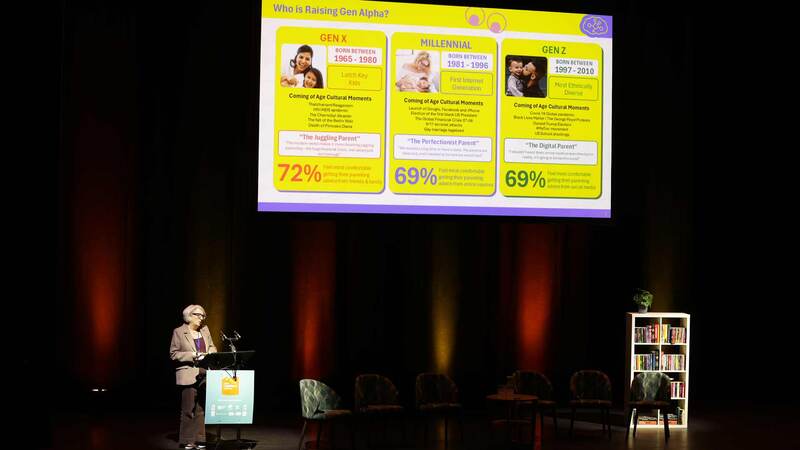
Looking back on 11 years of programming thousands of literature and spoken-word events at the Southbank Centre across every season and scale, I have seen marked shifts, both in what audiences expect and in the wider cultural scene. Yet the central proposition – a live encounter between writer and audience – has never been more in demand, and books and the people who create them are ever more ascendant in our cultural life.
We have just wrapped this year’s London Literature Festival, curated by Dua Lipa and her Service95 Book Club, which brought Zadie Smith and Patti Smith together with emerging, genre-bending and international voices. It was the culmination of what we have been working towards for many years: a one-of-a-kind collaboration that put the spotlight firmly on literature and which drew new audiences through our doors.
It is also a reminder of how unpredictably the sector has moved. Most people encounter Dua’s love of books through the Service95 Book Club podcast. Who could have foreseen that an audio format born in the iPod era would become one of the main vehicles for live spoken word? A few years ago, live podcasts accounted for four or five events a year in our year-round programme. This year The Rest Is Fest, our partnership with Goalhanger, took over the whole site for a weekend, selling 26,000 tickets across 22 shows.
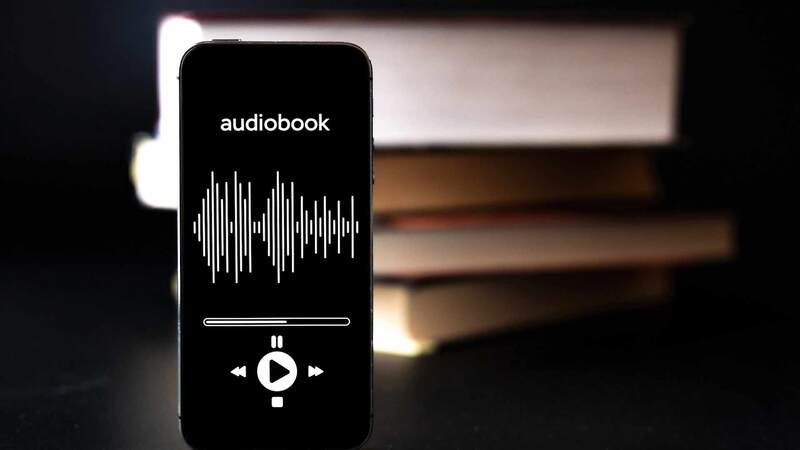
More than a quarter of UK adults now listen to podcasts every week, and UK audiobook revenue rose by almost a third in 2024. Younger listeners are among the most devoted, and a closeness built up episode by episode, or chapter by chapter, is something they will gladly pay to share in the same room. The crackle of charismatic conversation builds warmth and, above all, trust. In a polarised moment, two or three trusted voices cut through the noise.
Author tours have changed too. Producers such as Fane have redrawn the map, with authors launching their books in theatre-style shows akin to touring bands or comedians. That has taken writers to new stages and new audiences, but it has also changed the economics for festivals, which have long relied on a few headline names to fund everything else: the debut novelists, poets and translated writers who rarely fill a theatre on their own.
Who could have foreseen that an audio format born in the iPod era would become one of the main vehicles for live spoken word?
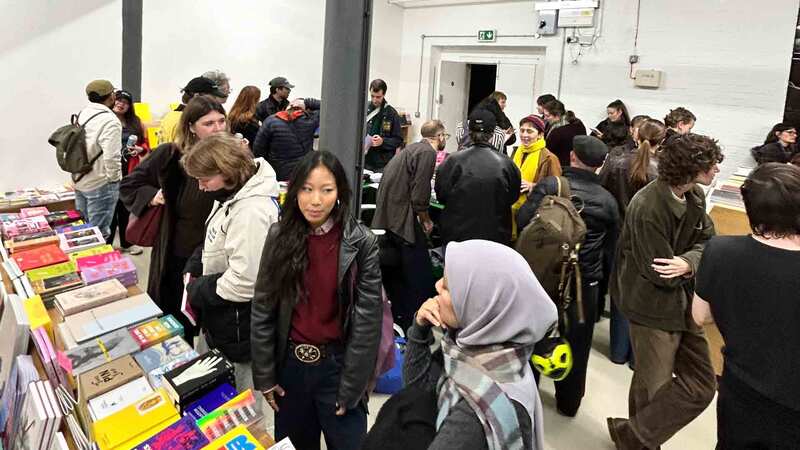
Even so, many festivals have seen their numbers grow, with Edinburgh, Hay and Cheltenham recording their best turnouts to date. The best have combined deft curation with broader access, and a sense of community that one-off shows struggle to replicate, despite the many challenges to their funding and underlying fabric. Meanwhile, bespoke curators of live literature and talks, from Letters Live to Intelligence Squared, continue to draw substantial audiences to events that are rooted in words but have the scale of concerts.
Just as significant is what is happening at grassroots level. Independent bookshops, from Pages of Hackney to the Portobello Bookshop in Edinburgh, are programming brilliant events on their own terms, while salons and supper clubs sit alongside a resurgent spoken-word scene. Community-driven festivals, from the Black British Book Festival to ESEA Lit Fest, are building loyal audiences by creating spaces where readers and writers see themselves reflected. Many of those readers first found each other on BookTok or in book clubs, and now want to meet in the same room. In a culture that pushes us towards opposing sides, these spaces offer a chance to encounter complexity together.
The challenges are real, not least the threat AI poses to author incomes – already at a median of just £7,000 in 2022, according to ALCS. But there are hopeful shoots. In this National Year of Reading, the National Literacy Trust has recorded the first rise in young people’s reading enjoyment since 2021. And young people are reading the world: in 2025, under-35s bought more than half of all translated fiction in the UK, compared with just over a third of fiction overall. That is a generation who see no borders on their bookshelves.
As an industry, we need to keep furthering this progress and spotlighting the role of reading in our public consciousness. The task now is to build on these promising signs: a festival and events landscape that recognises the true value of what it offers, works for the writers at its heart, and keeps widening the circle of who feels welcome.
Books and the people who make them have a vital role to play in our cultural life, but the borders of storytelling are expanding, and we should embrace that too, from the possibilities of gaming to new forms emerging with new technologies.
Literature festivals are essential spaces for keeping nuanced conversation alive, for all of the challenges they face from financial to cultural, which is why I’m thrilled to be taking up a new role at Hay Festival Global – an opportunity to reimagine what a books and ideas festival of the future looks like and, just as importantly, the audiences it brings together.
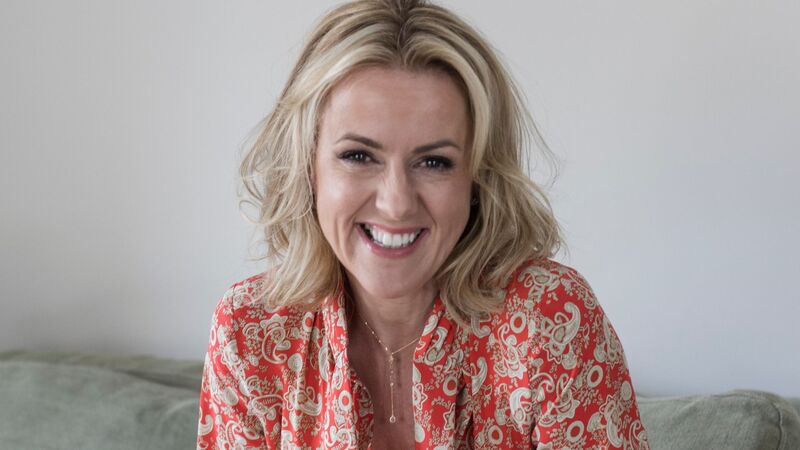
After 11 years, Ted Hodgkinson leaves his role as head of literature and spoken word at the Southbank Centre to take the newly created role of creative director at Hay Festival Global.