



Bradford: a city of culture, a city of stories
The creative director of Bradford City of Culture 2025 outlines the city’s literary inheritance – from the Brontës to Andrea Dunbar – and the rich spirit of imagination that lives on in its communities.


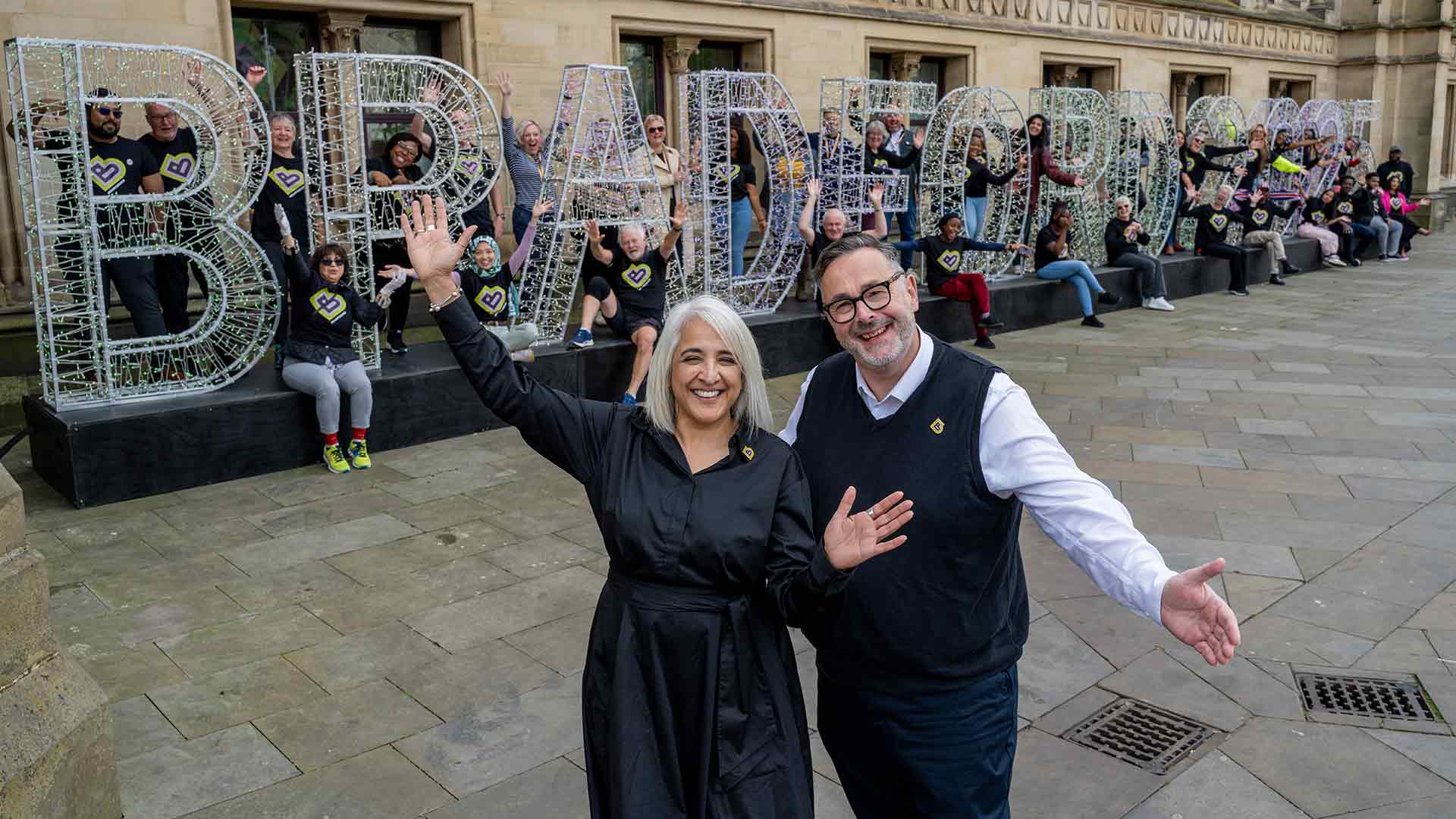
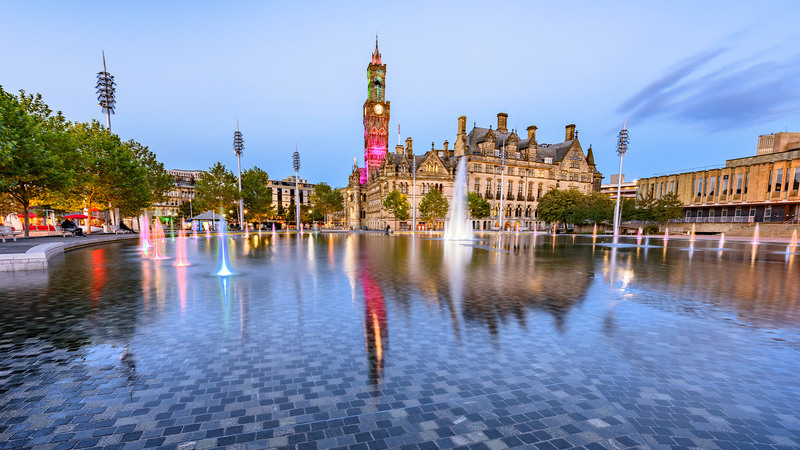
Bradford’s designation as UK City of Culture 2025 recognises its deep-rooted creativity, resilience, richness and diverse identity. Known for its industrial wool heritage and social dynamism, Bradford has always been a city of stories – of migration, innovation, resistance and humour. Now, with a national and international platform, it has the opportunity to showcase its extraordinary creative energy and shape its own narrative.
From the outset, our aim was to deliver a festival that is truly of Bradford – a contemporary expression of the UK through the lens of imagination, memory and identity. What stories remain hidden? Who tells them, and who is missing? These questions guide a programme that plays out across pages and walls, on hills and streets, in mills and parks – all driven by storytelling in every form.
Through collaborative commissions, residencies and hyperlocal activity, the programme reflects Bradford’s many diasporas, languages and traditions. Whether it is choirs singing at dawn on the moors, performances aboard Keighley steam trains, dance music colliding with orchestras or communities making their own interventions, the work does not aim to romanticise – it aims to represent. This is a celebration where pride, complexity and authenticity meet.
Focusing on young people was never a question; it was a necessity. In a district where more than a quarter of the population is under 18, the future of culture lies in their hands. But beyond statistics, it is their potential, urgency and creative spirit that matter most. Like the Brontës, who began crafting entire worlds as children playing with toy soldiers, today’s young people are already artists, already authors of tomorrow’s culture.
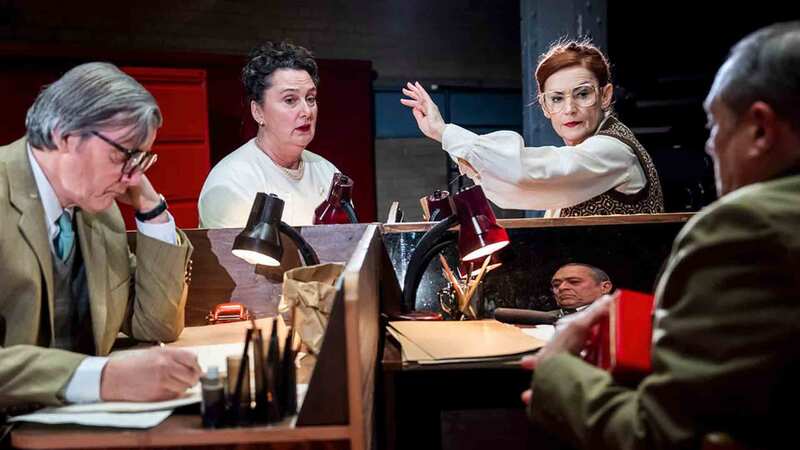
Bradford is home to the Brontës, JB Priestley, AA Dhand, Andrea Dunbar, two literature festivals and a flourishing spoken-word scene. We return to these voices not out of nostalgia, but because they still speak powerfully today. Dunbar’s work – born from the heart of Bradford’s estates – is as sharp and relevant now as it was in the 1980s. Her writing, raw, funny and unflinching, captures the intricacies of working-class life with a clarity that continues to cut through. A one-night staged reading, The Dreams I Had, brought her voice back to the stage, reminding us not only of what she wrote, but of the bigger question: who gets to tell the stories of Britain?
Continues...
Read More
Long before Wuthering Heights or Jane Eyre, the Brontë siblings created whole fantasy kingdoms, crafted in childhood from scraps of paper and wild imaginations. These early dreamscapes laid the foundations for the emotional intensity and Gothic power of their later work. Our project Wandering Imaginations revisits these lesser-known beginnings, highlighting the Brontës’ childhood in Bradford.
Among their imaginary worlds was Angria, a fantastical kingdom that mapped onto the West African coast. Nearly 200 years later, we have invited four emerging writers – two from the North of England, two from Ghana – to create new stories, inspired by Angria but rooted in their own cultural landscapes.
In their own ways, Dunbar and the Brontës both used fiction to escape, confront and reimagine the worlds they inhabited. Their writing prompts us to ask again: Whose stories matter? Whose voices do we amplify? That spirit of imagination lives on in Bradford’s communities – young people dreaming up new worlds, finding their voice, and daring to tell stories that have not yet been told.
But legacy matters. Sustainability is woven into every part of our plan. That means supporting local talent, embedding opportunities in schools and neighbourhoods, and strengthening our cultural ecosystem so that the work continues well beyond 2025.
Imagination is not a luxury. It is a vital resource, especially in times of economic and social uncertainty. It is also a call to action. By rooting our programme in the lived realities of Bradford today, we aim to ignite new stories, spark new relationships and cultivate a deeper sense of belonging.
Bradford is not just receiving the UK City of Culture title. It is owning it – reshaping it, redefining it, breathing life into it. And in doing so, we are not just building a programme for 2025. We are laying the foundations for a cultural legacy that will inspire for generations to come.