






You are viewing your 1 free article this month.
Sign in to make the most of your access to expert book trade coverage.
Racism, AI and borders among topics to be tackled as part of new OUP research resource


Oxford University Press (OUP) has announced it is launching Oxford Intersections in 2024, a new resource combining original research from multiple academic disciplines centred on a complex global topic.
The first six Oxford Intersections initially under development are: Racism by Context; AI in Society and Culture; Place and Space; Social Media; Borders and Food Security.
OUP says the topics have been selected because of “the critical role of interdisciplinary research in helping policy and decision-makers address the world’s most complex and urgent environmental, cultural, political and psychological challenges, the solutions of which are beyond the scope of a single discipline or area of research".
The publisher goes on to say that the format of Oxford Intersections will also facilitate “greater connection within the academic community”. For each work, a general editor will “oversee and mobilise a diverse team of world-leading scholars and researchers from across disciplines”, and new research will be “rapidly integrated into each Intersection on an ongoing basis, ensuring readers can access the most comprehensive and current thinking on a global topic.”
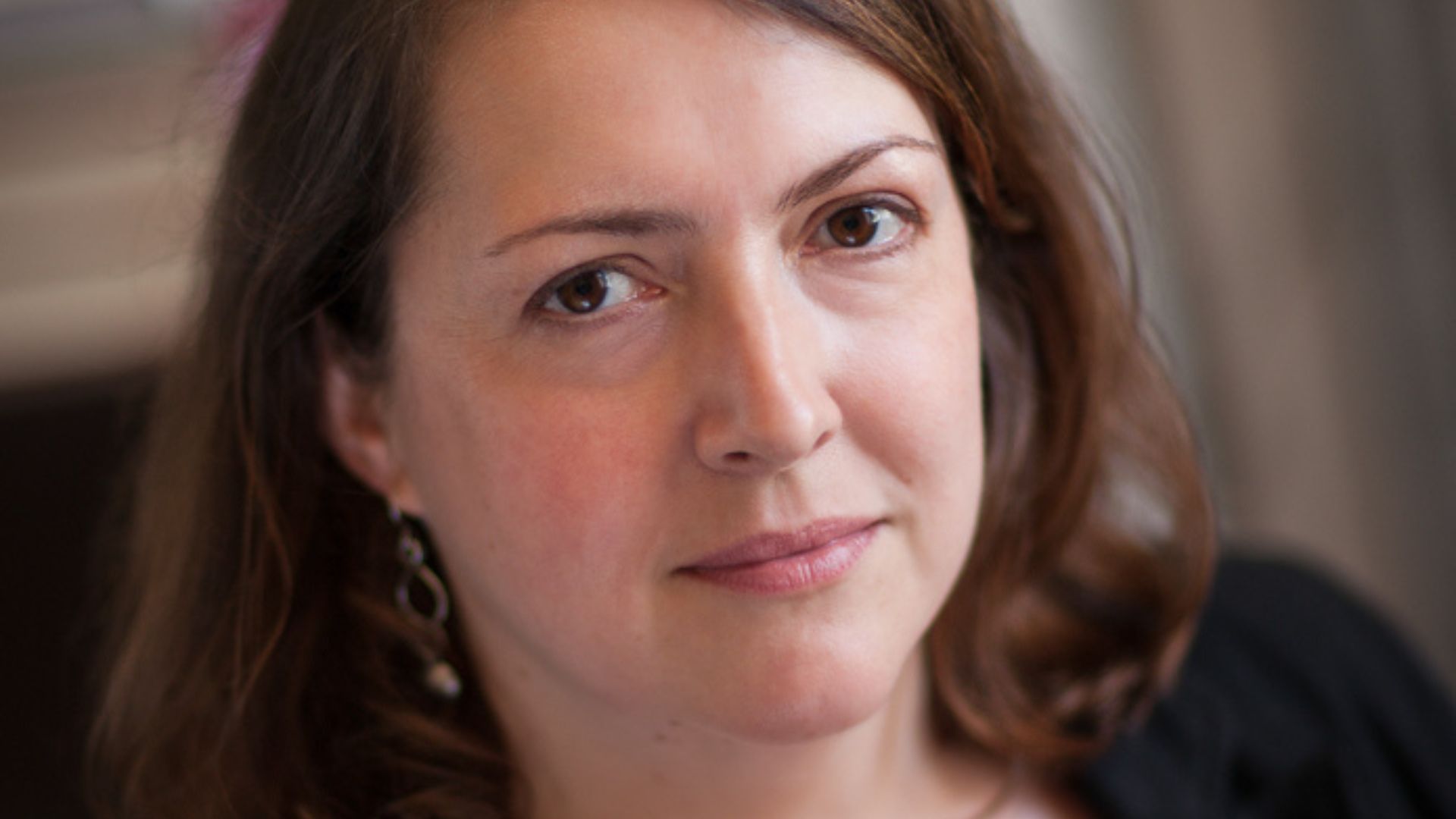
Sophie Goldsworthy, director of content strategy and acquisition for research publishing at OUP, said: “The launch of Intersections reflects some of the liveliest work taking place in the academic community and meets the evolving content needs of our readers and users. In connecting original research of the highest quality across discipline boundaries, we hope to spotlight pressing global topics, collapsing the gap between research and real-world impact to take new work to a broad global readership as quickly as possible.”
Oxford Intersections will be hosted on Oxford Academic – the online platform for OUP’s academic research. Oxford University Press is looking for researchers to contribute to Oxford Intersections – interested parties are invited to contact OxfordIntersections.Editorial@oup.com for more information and to be considered.