





You are viewing your 1 free article this month.
Sign in to make the most of your access to expert book trade coverage.
Kazuo Ishiguro urges government to 'reconsider' AI 'opt-out' plan: 'No-one believes it will work'



Nobel Prize-winning author Kazuo Ishiguro has joined calls for the UK government to “reconsider and change course” when it comes to AI, warning that "no one believes the proposed ‘opt-out’ system will work".
In December 2024, the UK government launched a consultation process “on proposals to give creative industries and AI developers clarity over copyright laws”, including “an exception to copyright law for AI training for commercial purposes”.
The proposals include a “preferred option” that would essentially allow tech companies access to copyrighted works to train AI tools unless the creator has opted out. The consultation, which has so far received upwards of 2,500 responses, is set to close on 25th February.
In a statement shared with the Times, the Klara and the Sun (Faber) author said the country had reached a “fork-in-the-road” moment. “If someone wants to take a book I’ve written and turn it into a TV series, or to print a chapter of it in an anthology, the law clearly states they must first get my permission and pay me,” he said.
“To do otherwise is theft. So why is our government now pushing forward legislation to make the richest, most dominant tech companies in the world exceptions? At the dawn of the AI age, why is it just and fair – why is it sensible — to alter our time-honoured copyright laws to advantage mammoth corporations at the expense of individual writers, musicians, film-makers and artists?”
Ishiguro continued that “no one believes the proposed ‘opt-out’ system will work”, saying this is why “those lobbying on behalf of the tech giants favour it”.
Continues...
Read More
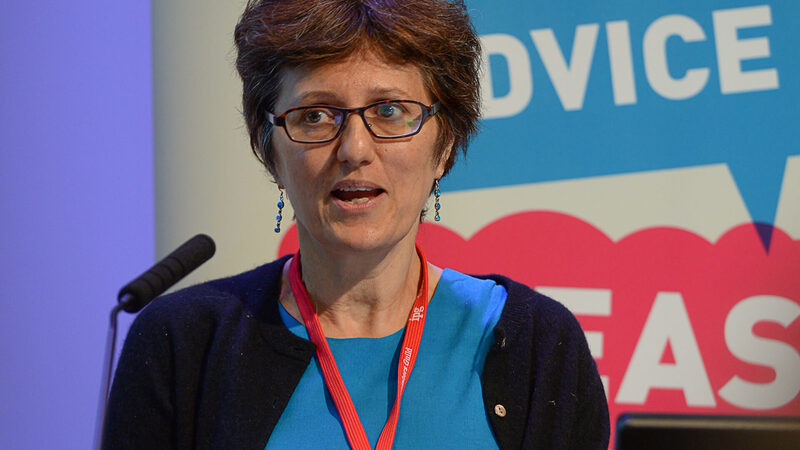
This echoes author Kate Mosse’s view. She said: “An ‘opt-out’ solution, as proposed in the government consultation on AI, will not work. It will put the burden on creatives to stop their work being stolen without permission or remuneration, resulting in us having less time to work. This will, in turn, damage our world-beating creative industries and run the risk of brand degradation."
Ishiguro continued: “This is a fork-in-the-road moment. It’s essential for our nation that the government is made to reconsider and change course.”
Author Jeanette Winterson has also urged the government to “protect the copyright of writers and artists [and] to understand that what we do is not just data, not just content, and certainly not there for big tech to read because they can”, arguing that books should not be “fodder for Big Tech”. She told The Bookseller: “Most people don’t make a fortune out of this stuff. They do it because it is their life’s work, their mission, their passion, and they deserve to be protected. It matters.”
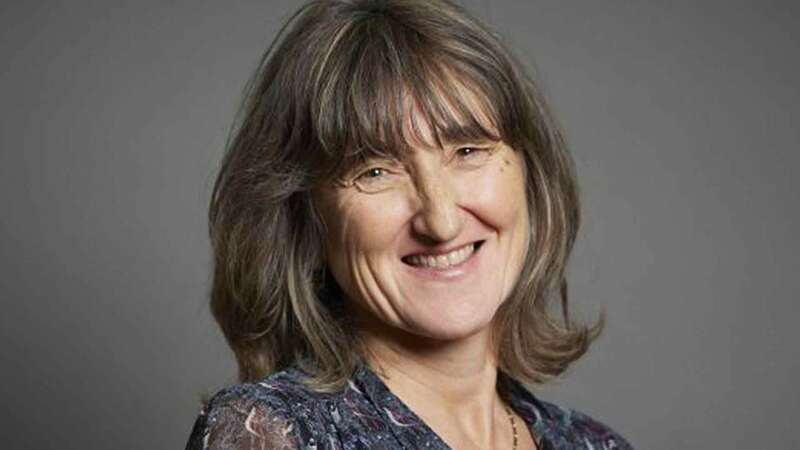
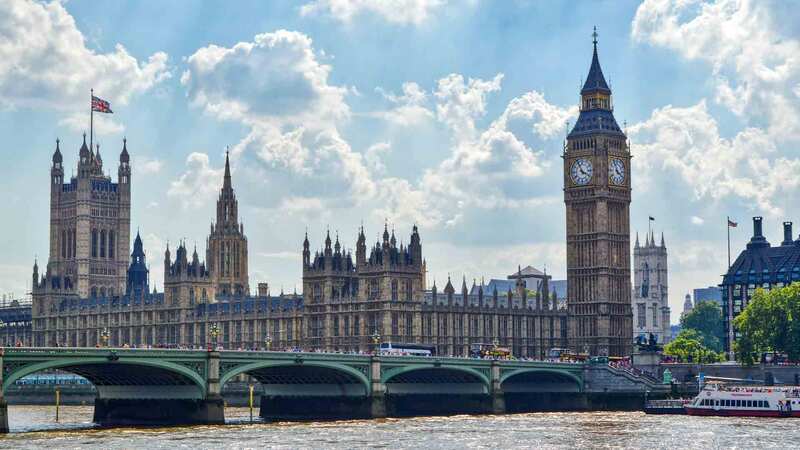
Baroness Beeban Kidron defended the rights of creators against having their work used to train AI in a speech delivered in the House of Lords two weeks ago. The House of Lords subsequently voted against the government to add provisions to a Data Bill that – as opposed to weakening copyright law – would make the existing copyright framework enforceable.
In an exclusive interview with The Bookseller, she noted that she is particularly concerned over the “language of the consultation document”. “So many people have said to me that it’s a consultation document that was written for tech lawyers. It was not written for the creative industry; indeed there’s no workable option for creatives among the options included in it, even ignoring the preferred option. It’s a disservice to an incredibly important strength [of Britain] to pretend to consult on it.” The interview can be read in full here.