





You are viewing your 1 free article this month.
Sign in to make the most of your access to expert book trade coverage.
Julia Williams resigns from SoA board, urging 'stronger stand' on cancellation



Author Julia Williams has resigned from the Society of Authors’ (SoA) board, urging it to take “a stronger stand” when supporting authors who face criticism. Williams’ move has prompted the SoA to call for “more respectful communication” across the industry.
Williams discussed the reasons behind her exit on Sunday 7th December, via X. She described how the recent BBC podcast series focused on Kate Clanchy, Anatomy of a Cancellation, reignited the issue of authors facing the backlash of “being cancelled”.
Williams wrote: “Two years ago, I was honoured and privileged to have been elected to the board of the SoA. I stood, in part, to push back against the intolerance that has swept our industry over the last few years, which has led not only to authors being cancelled (and in some cases losing work) but to a wider culture of fear in publishing, which prevents people speaking out on contentious issues. I had hoped that my presence on the board would mean I would have the opportunity to speak out on these issues and perhaps change hearts and minds.
“Sadly, that has not been the case. For full disclosure, I am also a member of SEEN in Publishing (a conflict of interest I declared to the chair, chief executive officer and company lawyer in the summer). With the release of Anatomy of a Cancellation, the story became live again, so it was inevitable that SEEN in Publishing would seek to find a solution with the SoA on this matter. I recused myself from the situation.”
Williams added: “It was disappointing to me to learn that no statement or apology from the SoA to those affected by cancellation was forthcoming. I therefore felt I had no option but to resign from the board, as a matter of principle. While I understand that the society is unable to police the opinions of its 12,000 odd members (and nor should it) there is a difference between online spats between authors and the targeting of individuals over differences of opinions that leads to them losing their livelihoods.
“I felt, and feel, that the SoA could make a much stronger stand on this, because, as far as I can see, if a similar situation were to arise today, there is no protections for anyone who might be subject to such an onslaught.
“The SoA does fantastic and brilliant work in helping authors with contracts, raising disadvantaged voices and supporting those who have fallen on hard times. I support all the work they do and was proud to serve with my dedicated colleagues, who work extremely hard for the members they serve.
“Unfortunately the issues around cancellation are not disappearing any time soon. Only recently, The Literary Society has suggested that people boycott the works of Onjali Rauf, Rachel Rooney and JK Rowling. This has to stop and the SoA could lead the way. I hope that it can reconsider its position in these matter and do the right thing.”
Continues...
Read More
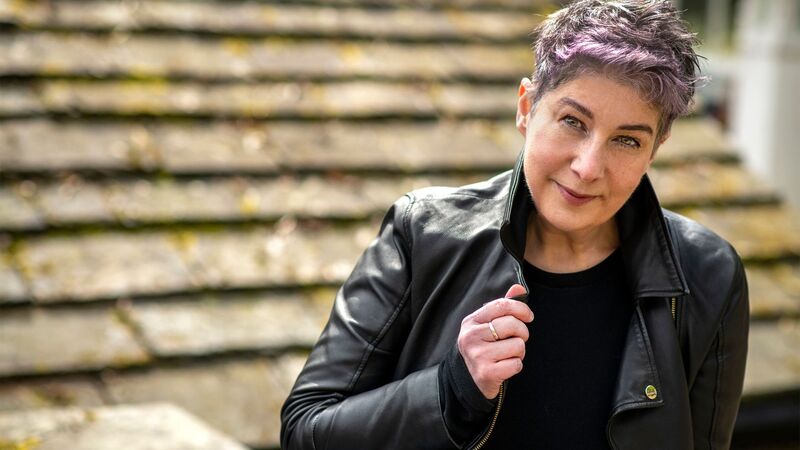
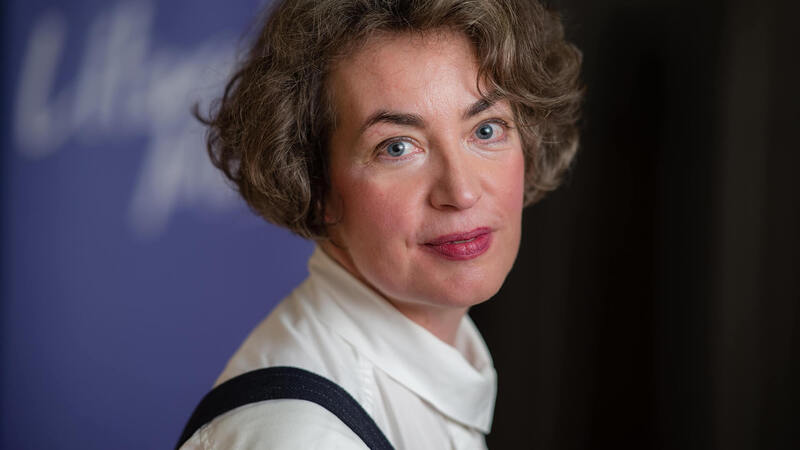
Anna Ganley, SoA CEO, told The Bookseller: “Julia Williams has been an important voice on the board of the Society of Authors, contributing to many discussions over the last two years, and we have greatly appreciated her input.
“As a union for all types of authors, we resolutely support the right of our members to freely create and to make a living from the business of authorship without interference, and we recognise that it is essential that a fair and open playing field within the industry is available to all.
“We oppose in the strongest terms any attempt to stifle or control the author’s voice whether by censorship, imprisonment, execution, hate speech, harassment, personal attacks or trolling.
“SoA policies and communications make it clear that we do not get involved in disputes of opinion between authors. If a member receives unwanted attention on social media, on request, we will provide private support – both emotional and practical. See: dealing with online abuse, harassment and bullying.
“The tenor of public discourse over the past few years, particularly on social media, has demonstrated the need for more respectful communication in the publishing industry. We remain dedicated to the right of freedom of speech, including the expression of robust and even unpleasant opinions.”
According to the Telegraph, Helen Field has also quit as a board member.