




The Nibbies was a time to accentuate the human


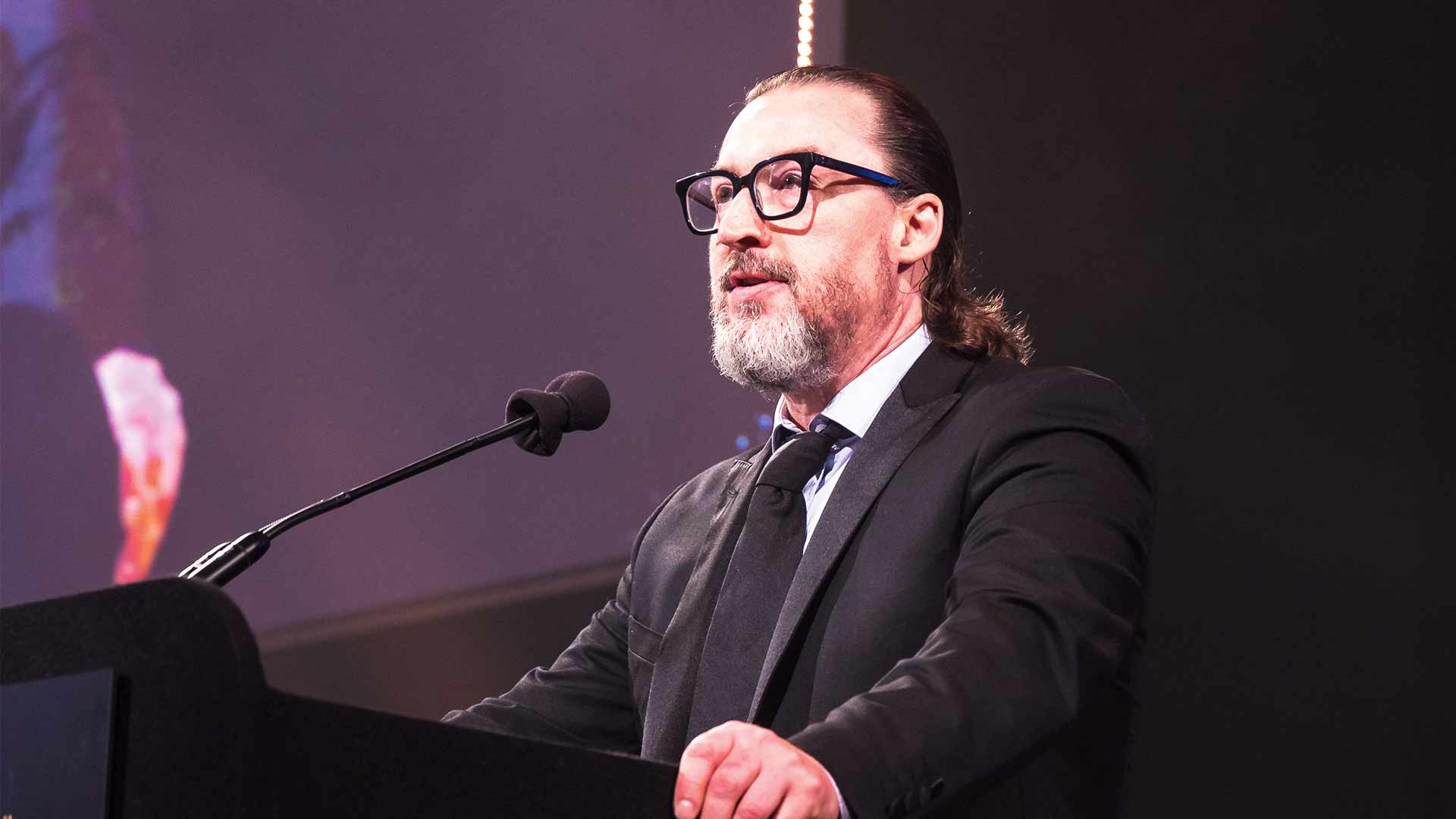
At The British Book Awards on Monday (12th May), I made the point from the stage of how human this sector is – from the human-shaped creatives who provide the source material, to the humans who bring the works to market and make sure they are discovered by, and passed on to those other valuable humans – the readers. As I said on the night: “Whatever Mark Zuckerberg thinks, the value of books is clear and obvious – books train us, not computers, and they make us into the better humans we need to be.”
Who we are, and what we can do were themes of the event. Bloomsbury founder Nigel Newton – picking up the much-coveted Publisher of the Year gong – referenced the current battle for the enforcement of copyright: “We must stand up for what enables us to be in this room today… earning a living from it.” Kate Skipper, COO of Book Retailer of the Year, Waterstones, said: “Human connection never ceases to amaze and is not likely to be matched by the power of AI just yet.” Meanwhile, Individual Bookseller winner Carolynn Bain talked about her shop, Afrori Books, having been targeted by racists: “You have the power to [make] change… use your privilege.”
Writer Kate Mosse, winner of the first-ever Nibbie for Social Impact, said that “words are the only defence against the lies of history… we must use our voices and our power to turn back the tide of what is happening”.
Words, like those written by Russian dissident Alexei Navalny – “He wrote it in secret, from a prison cell, under the most brutal conditions,” his widow Yulia, joining via video, said on the night. Also, words by the Freedom to Publish winner, Margaret Atwood, whose books have become a lens through which we see the world, as well as an act of resistance, and who said: “Words are our earliest human technology, like water they appear insubstantial, but like water they can generate tremendous power.”
The value of books is clear and obvious – books train us, not computers
And words translated, as they were for debut winner Butter, whose translator Polly Barton told the room: “I feel what we need in the world more than ever is a reminder of the humanity of people who are different to us in some way.”
So there was some irony that Amazon’s Audible announced the next day that it planned to roll out AI services to audiobook publishers, which would allow them to make and produce audio titles using its newly developed technology that – in essence – removes human actors/voices and translators from the process (albeit publishers can employ humans to review the end result). Timing, as one publisher said, is everything in this business. It’s also brutal.
Publishers will approach this initiative with caution since they too, in the main, have backed human creatives, at least in the first instance, though the argument around those books which might not otherwise find their way into audio holds some sway. There is, too, an inevitability about this as there often is with progress, with the Society of Authors calling for transparency and clear labelling, so that at least listeners can make a choice. It will be important, too, for Audible to be upfront about whether it will require exclusivity over recordings – a move that would undermine its claims to want to “expand the availability of audiobooks”.
Publishing will not be the only sector being circumspect in public, while in private being a little more bullish about the new technologies. The British Book Awards should though remind us that it is the humans who provide not just the source code, but also the secret sauce that makes this a business to be celebrated and admired.